What Florida Window Tint Laws Really Mean in Daily Driving
Florida window tint laws matter a lot more when you live in a place like
Cape Coral. The sun is strong, the days feel bright from morning to evening, and your car can turn into an oven fast. So tint is not just about style; it is about comfort, skin protection, and keeping your interior from fading.
The problem is, the laws are written in legal terms that do not always match how people talk about tint in real life. Our goal here is to translate
Florida window tint laws explained in simple, clear language so you know what is actually allowed on your vehicle. We want you to understand how dark you can go, what is safe, and how to avoid headaches on the road.
At our auto spa in Cape Coral, we work with
window tint every day in real Florida heat. We see what law enforcement looks for, what works best in the sun, and how to keep your ride comfortable without risking tickets. Think of this guide as friendly advice from people who work on tint all the time, not legal talk that leaves you more confused than when you started.
Florida Window Tint Laws Explained in Simple Terms
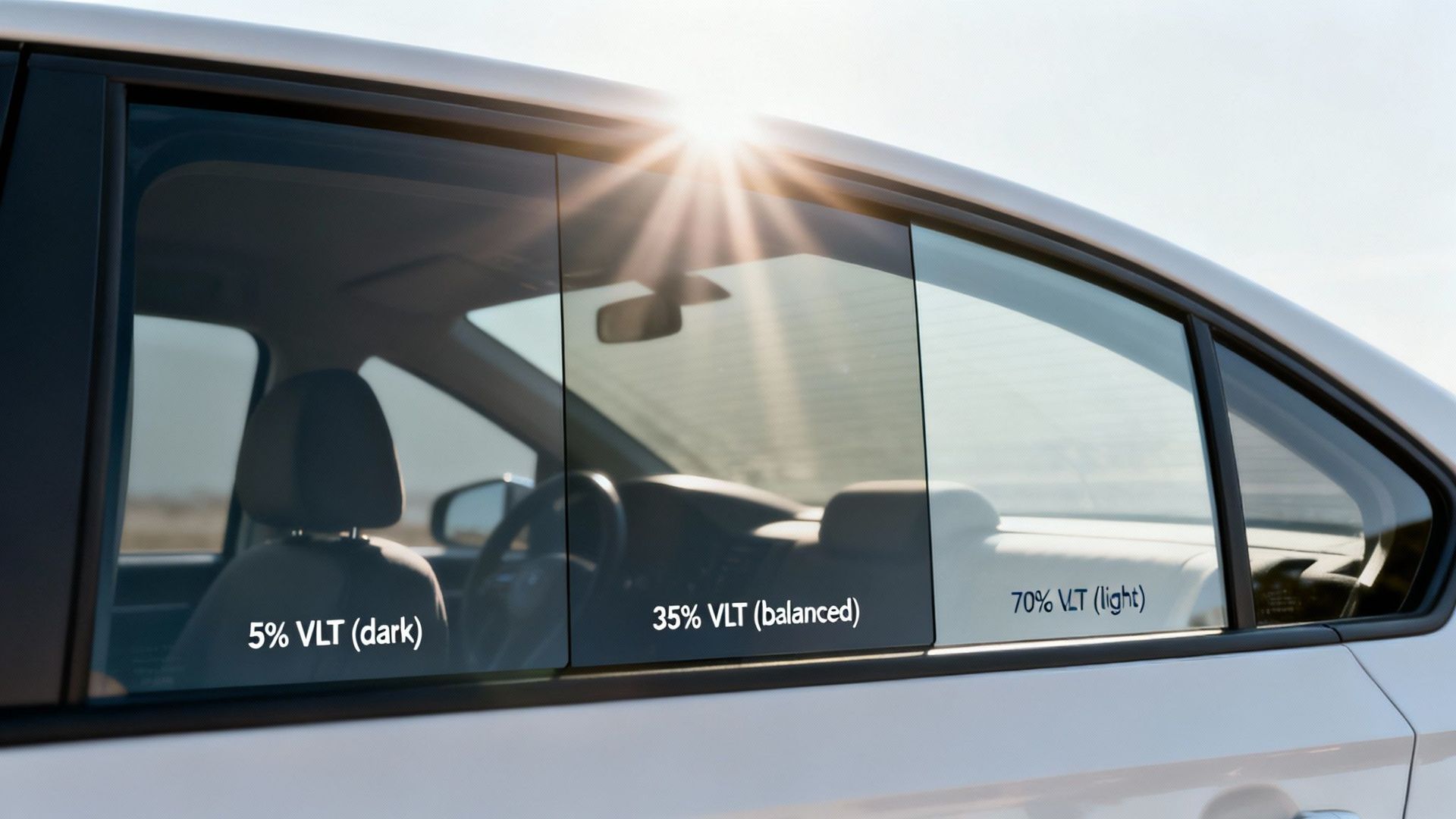
Let’s start with the phrase that confuses most drivers: Visible Light Transmission, or VLT. This is the number you see when people say things like "20 percent tint" or "35 percent tint."
Here is what it actually means:
- VLT is how much light can pass through your glass and tint film
- A higher number, like 70 percent, means lighter tint that lets in more light
- A lower number, like 15 percent, means darker tint that blocks more light
Florida sets different VLT rules for different windows and vehicle types. Think of it as zones around your car. The basic idea is that the front needs to be lighter so you can see and police can see you, and the back can be darker.
In simple terms, the rules usually separate:
- Front side windows
- Rear side windows
- Back window
- Windshield visor strip at the top
Sedans follow one set of limits. SUVs and trucks often have a bit more freedom in the back windows. That is why one vehicle may be legal with dark rear glass while another would not be. The actual law text spells out those numbers, but the key is that each window has its own limit.
Law enforcement can check tint in two main ways. Sometimes they use a tint meter that clips onto the glass. It reads the VLT and shows whether you are above or below the legal line. Other times, an officer might go by experience and a quick visual check. Tint that looks "almost fine" but is just a bit too dark can still lead to a ticket if a meter comes out during a stop.
Special Rules That Catch Cape Coral Drivers Off Guard
Many drivers think only about how dark the tint is, but Florida law looks at more than the depth of the shade. A few details surprise people:
- Reflective or mirrored films can be restricted, especially if they shine like a mirror
- Certain colors or very flashy films are not allowed
- Factory-tinted glass is not the same as aftermarket tint film
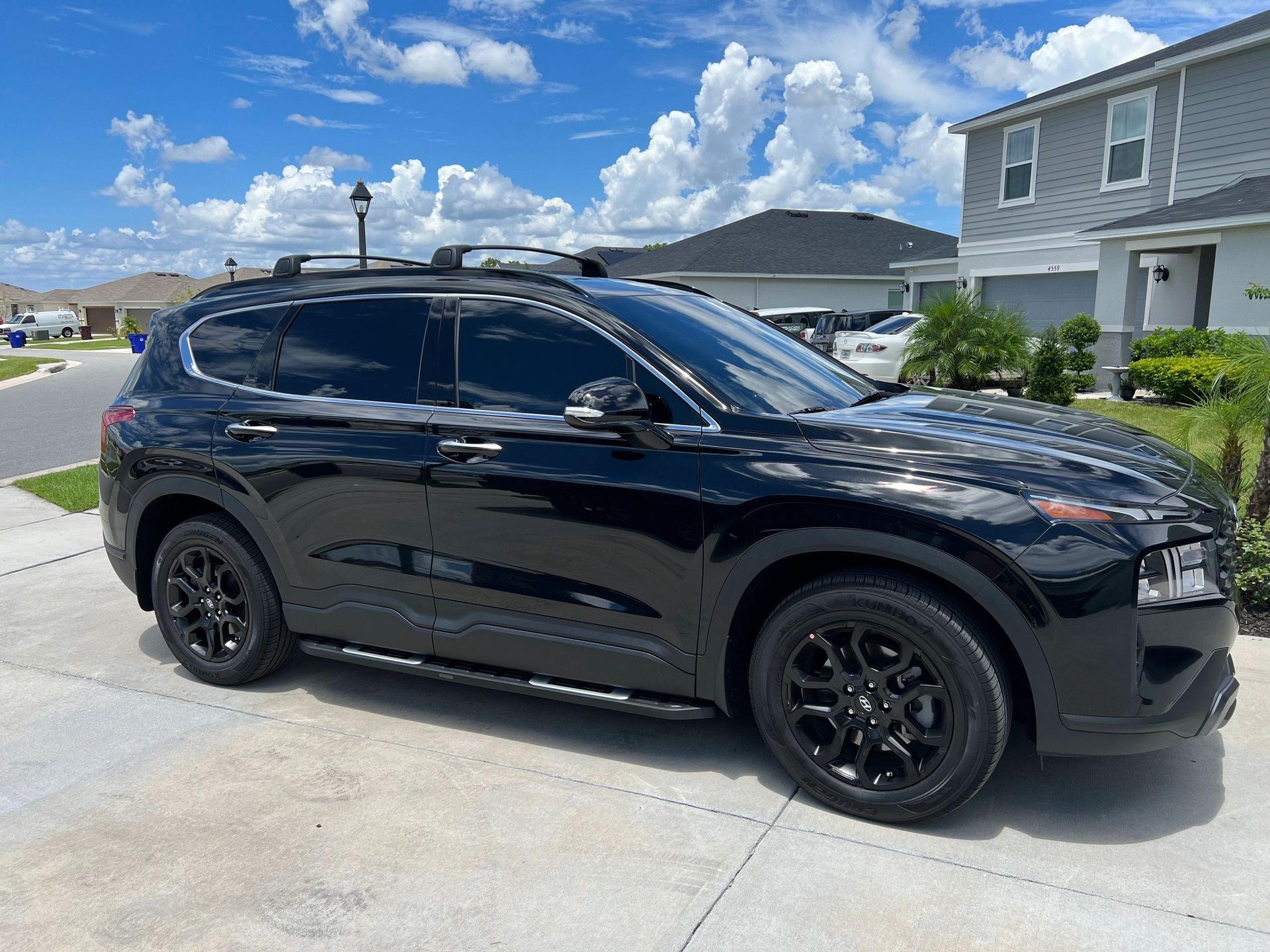
Factory glass on many SUVs and trucks already has some tint in the rear. When film is added on top, the total VLT can drop below the legal limit even if the film itself seems light. That is why guessing by eye can be risky.
There are also medical exemptions for people who need extra protection from sunlight. In simple language, this usually means:
- A real medical reason documented by a licensed medical professional
- Proper paperwork kept in the vehicle that explains the exemption
- Specific rules about how dark the tint can be with that exemption
Without that paperwork, saying "I need it for my skin" usually will not help much during a traffic stop.
Illegal tint is most often noticed:
- During a roadside stop for any reason, not just tint
- When officers see very dark fronts or mirrored sides
- At times when your car is parked and clearly darker than normal
Once attention is on your tint, a quick check can lead to a citation or a requirement to remove and fix the film. That turns something done for comfort into a hassle.
Balancing Sun Protection and Legal Limits in Southwest Florida
Here in Southwest Florida, the question is not "Do I need tint?" but "How do I get the right tint?" Long, bright days and constant sun exposure mean your skin, eyes, and interior take a beating. Glare off water, glass, and light pavement makes daytime driving tiring.
The good news is that you do not have to go super dark to stay cool. Modern ceramic tint films can block a lot of heat and UV while still staying within legal VLT rules. So a legal shade can still:
- Help keep your cabin cooler
- Cut glare so your eyes are less strained
- Protect your interior from fading
This matters even more for safety. When the tint is too dark, problems show up at night or in bad weather. Think about:
- Heavy afternoon rain where visibility drops fast
- Dark streets with no streetlights
- Stormy conditions during hurricane season that already make driving harder
In those moments, legal tint levels help you see better out of your side and rear windows. It helps with backing up, checking blind spots, and spotting people or bikes crossing behind you. You want comfort from tint, but you also want to feel confident when the sky gets dark or the roads get wet.
How Tints and Beyond Keeps Your Tint Street Legal
Our approach is simple. We start by looking at what you drive, how you drive, and what bothers you most. Some people hate glare, some run long highway trips, others sit in traffic with the sun beating through the side glass. We listen to that first.
From there, we walk through tint options that match Florida window tint laws explained earlier. For example, we talk about:
- What is allowed on your front windows for your vehicle type
- How dark your rear windows can go without causing issues
- Which film tech will block heat the best for the shade you want
We use professional tools, like VLT meters and film spec sheets, to keep things consistent and clear. That way, the tint on your car is not just "about right"; it is set up to follow the rules window by window. Quality film also helps your tint stay stable over time, instead of fading and changing.
Taking this careful approach protects more than your comfort. Legal tint helps you:
- Avoid fines and repeat tickets for the same issue
- Skip the pain of having film peeled off and replaced just to pass a check
- Keep your insurance and resale conversations simple instead of explaining illegal mods
The result is a cooler, cleaner, and more comfortable daily drive that still passes a closer look from law enforcement or anyone else who understands Florida tint rules.
Smart Next Steps Before You Tint Your Windows
Before the sun gets higher and the days feel even brighter, it is a smart move to look closely at your current tint. If you bought your vehicle used, there is a good chance you are not fully sure what film is on it now. Even if it feels comfortable, it might not match Florida rules.
A quick legal-compliance check can give you peace of mind. This is where we can measure your current VLT, compare different film options, and answer your questions about how Florida window tint laws explained earlier apply to your exact car, truck, or SUV. It is much easier and cheaper to pick the right tint now than to fix a ticket or remove illegal film later on.
Stay Legal And Comfortable With Expert Tint Guidance
If you are unsure whether your current or planned tint is compliant, our team can walk you through the details with
Florida window tint laws explained in clear, simple terms. At
Tints and Beyond, we match the right tint to your vehicle so you get comfort and style without risking tickets or safety issues. When you are ready to review your options or
schedule an appointment, just
contact us and we will help you every step of the way.