Keep Your Little Passenger Cool All Year in Cape Coral
Buckling a fussy, sweaty baby into a hot car seat is nobody’s idea of a fun family outing. In Cape Coral and across Southwest Florida, the sun feels strong most days, and it does not take long for a parked car to turn into a mini oven. Even on a breezy spring afternoon, your vehicle can heat up fast while you load groceries, pack the stroller, or buckle everyone in.
Babies are especially sensitive to that heat and bright light. Their skin is thin, their eyes are delicate, and they cannot tell you exactly what hurts. They just cry harder. That is where good car window tinting comes in. With the right film and professional installation, your car can stay cooler, softer on your baby’s eyes, and more comfortable for the whole family on every drive.
In this article, we will talk about the hidden heat inside cars, how tinting helps protect your little one, simple notes about
Florida tint laws, and why working with a local auto spa that understands family needs makes such a difference.
Hidden Heat Dangers for Babies in Florida Cars
When we step into a warm car, we can open a window, wipe sweat away, or say something about it. Babies do not have that option. Their bodies do not control temperature as well as older kids and adults, so they can get overheated more quickly and more quietly.
A car in Southwest Florida can heat up fast, even when the outside air does not feel that bad yet. Sun comes through the glass, gets trapped inside, and bounces around the cabin. Before you know it, the baby’s car seat, the metal buckles, and even plastic toys feel hot to the touch.
Some common heat dangers for infants include:
- Hot buckles that can sting or burn delicate skin
- Car seat fabric that holds heat and stays warm against their back
- Direct sun on the face or legs during longer drives
- Warm air pockets in the back seat that the front AC does not reach right away
Heat stress in babies can show up as:
- More crying than usual, or sudden fussiness
- Red or very warm skin
- Unusual sleepiness or low energy
On top of the heat, there are the rays you do not see. Regular car glass can still let a lot of UV light reach your child. That can lead to:
- Sunburn on arms and legs near the window
- Long-term skin damage over time
- Eye strain, since babies often keep their eyes open wide at bright shapes and colors
Air conditioning helps, but it does not fix everything. When you first get in the car, that blast of hot air has to go somewhere. The seats and buckles are already hot. AC also does not fully stop the sun from pouring through untinted windows, especially on long trips or when you are stuck at traffic lights.
How Window Tinting Helps Protect Your Baby
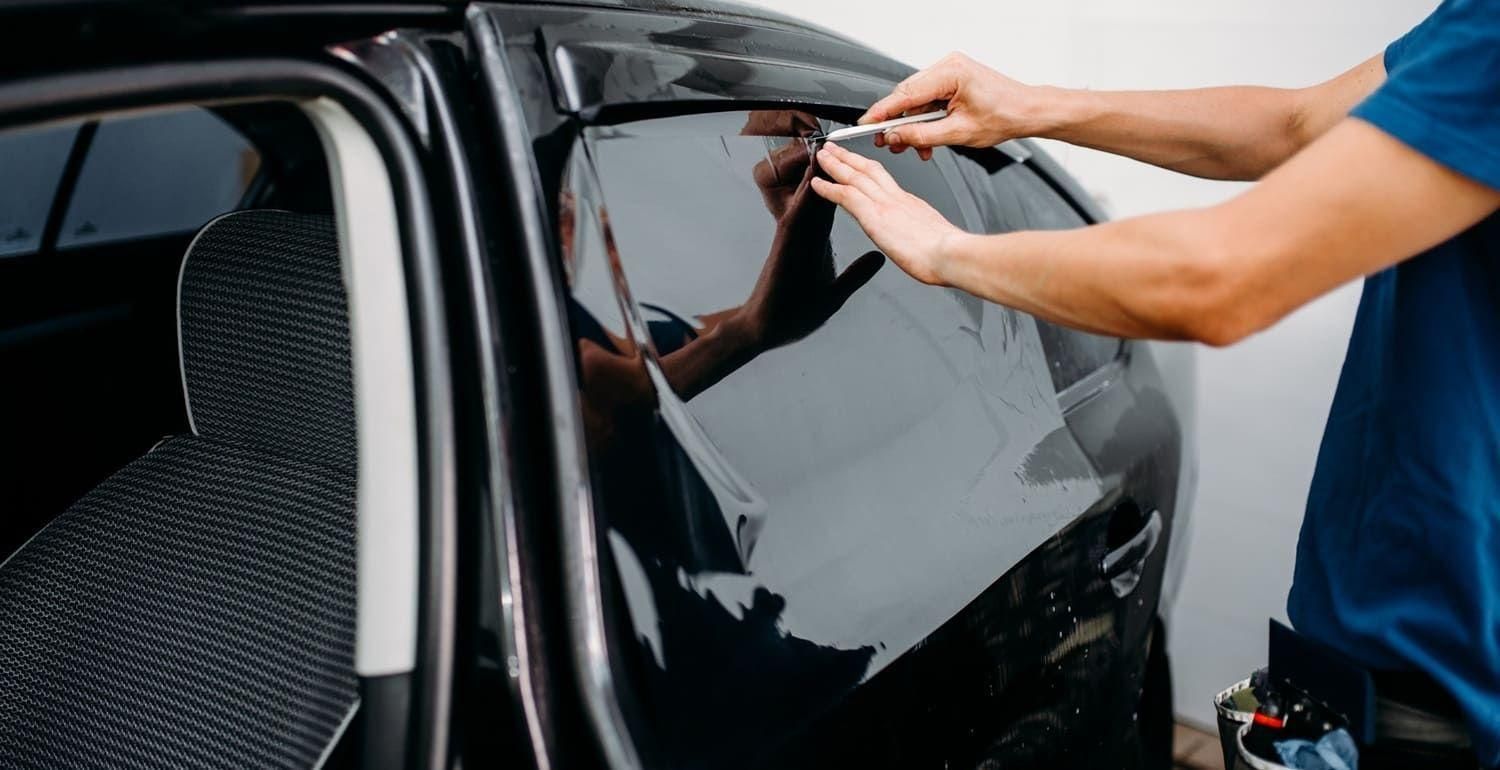
Quality car window tinting in Cape Coral works like a shield between your baby and the sun. It does not stop the fun beach days or family drives; it just makes the ride easier on everyone, especially your smallest passenger.
A good film is designed to reject a lot of the sun’s heat before it enters the cabin. That means:
- Cooler air in the back seat, especially where car seats sit
- Less heat trapped in seat pads and headrests
- A more even temperature from front to back
UV protection is another big benefit. Many professional tint films are made to block almost all of the harmful UVA and UVB rays that reach your baby’s skin and eyes. With that kind of shield, your child gets:
- Better protection on bright days, even when it is cloudy
- Less risk of sunburn during long drives
- Gentler light on their eyes when they want to look out the window
Glare is also a real problem for little ones. In our area, sunlight bounces off water, light pavement, and white sand. Tinting helps cut that sharp, blinding light, which can:
- Make it easier for your baby to relax or nap
- Reduce overstimulation from flashing light and reflections
- Help you see the road better while you keep an eye on the back seat
A cooler cabin also lets the AC do its job without blasting cold air on your child’s face. Instead of pointing all the vents to the back on full power, you can set a more comfortable level and know the glass is helping block extra heat too.
Florida Tint Laws and Safe Choices for Family Cars
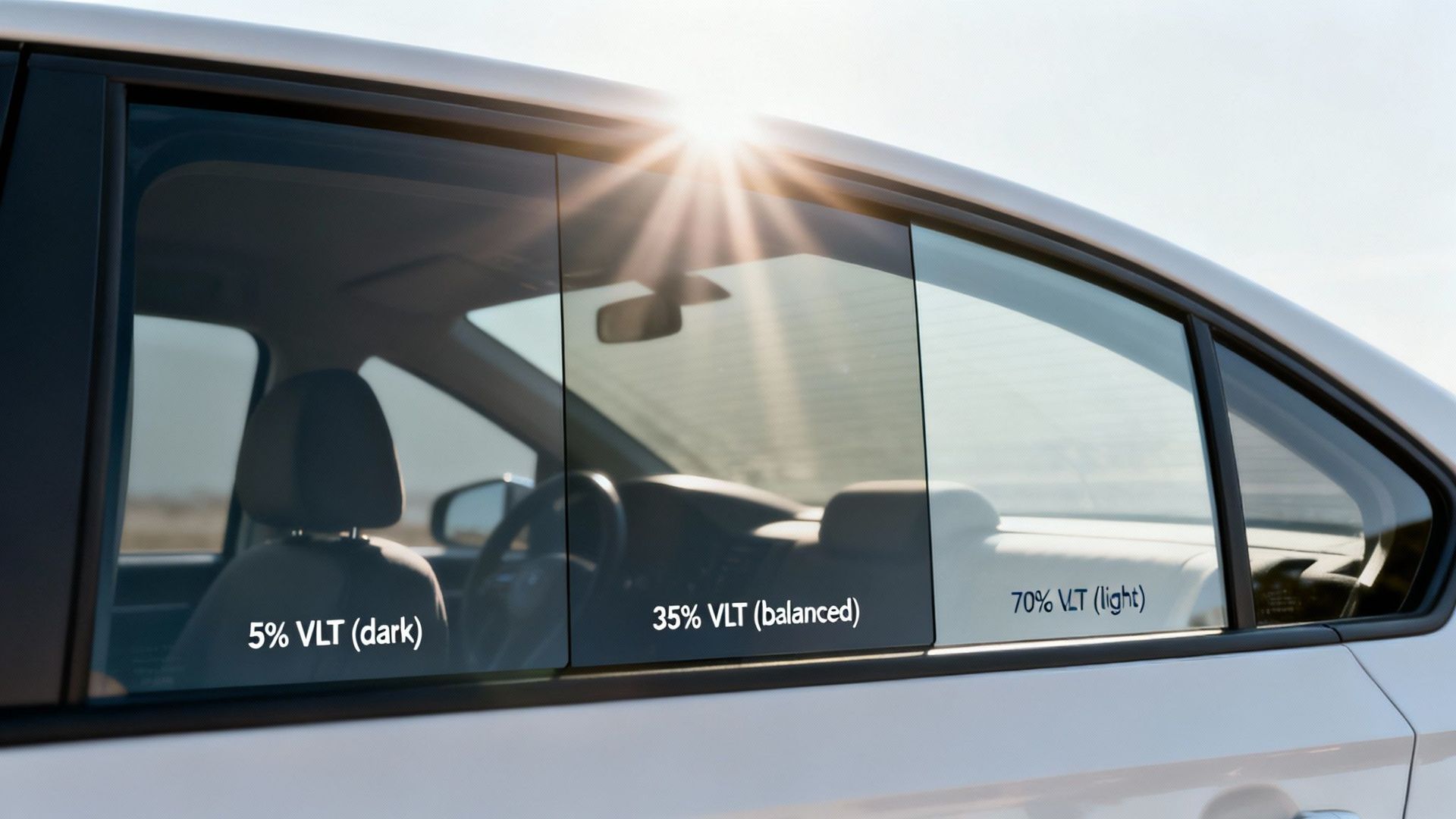
Many parents worry about staying on the right side of Florida tint laws, and that is a smart concern. The state has clear rules about how dark front and rear windows can be on passenger vehicles. The good news is, you can still get serious heat and UV protection while keeping your car legal.
A few simple ideas to keep in mind:
- Front windows usually need to be lighter for safe visibility
- Rear passenger windows and the back glass can often be darker
- Windshields have very strict rules, so they need special care
DIY cling films and cheap online kits might look tempting, but they can create new problems, especially on a family vehicle. These products can lead to:
- Uneven or cloudy visibility
- Bubbles or peeling that distract you while driving
- Film that does not actually block much heat or UV light
- Tint that is too dark for state rules
When you choose film for a car that carries kids, you want a balance. Many families like options such as:
- Color-stable films that keep a consistent look over time
- Ceramic or other advanced films that focus on heat rejection and UV protection while staying clearer to see through
- Shades that are darker in the back, where your baby sits, and legal, lighter shades up front for driving
Professional installers who work with Florida vehicles every day understand how to match film type and shade to both the law and your comfort goals.
Why Cape Coral Families Trust Professional Tinting
At Tints and Beyond, we see how much parents care about every detail when it comes to their child’s safety. Car window tinting is not just about style for families; it is about comfort, protection, and peace of mind on every errand and road trip.
Working with an experienced local auto spa brings some real advantages, like:
- Help choosing the right film for strong heat control and UV protection
- Guidance on window shades that fit Florida rules and your daily driving needs
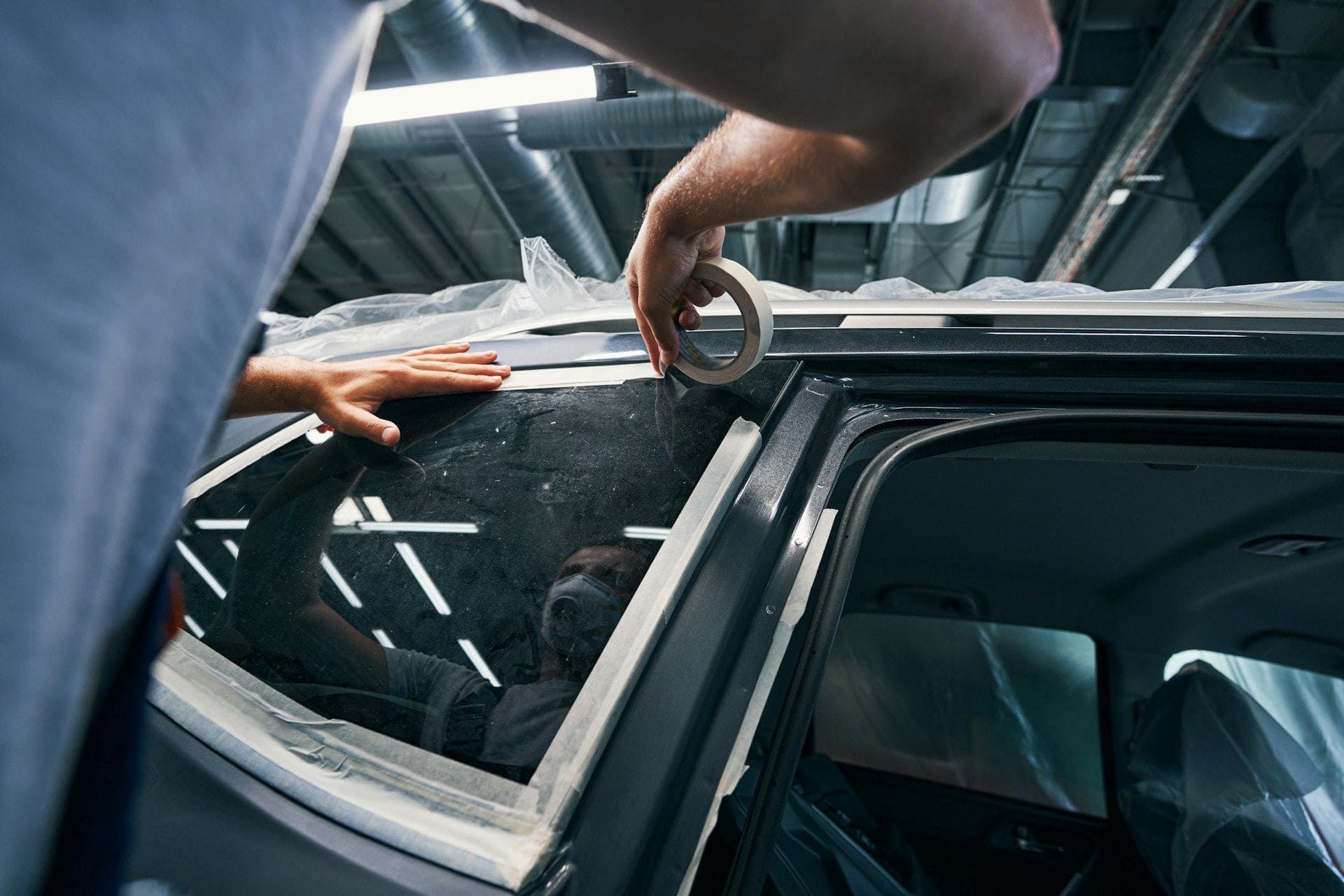
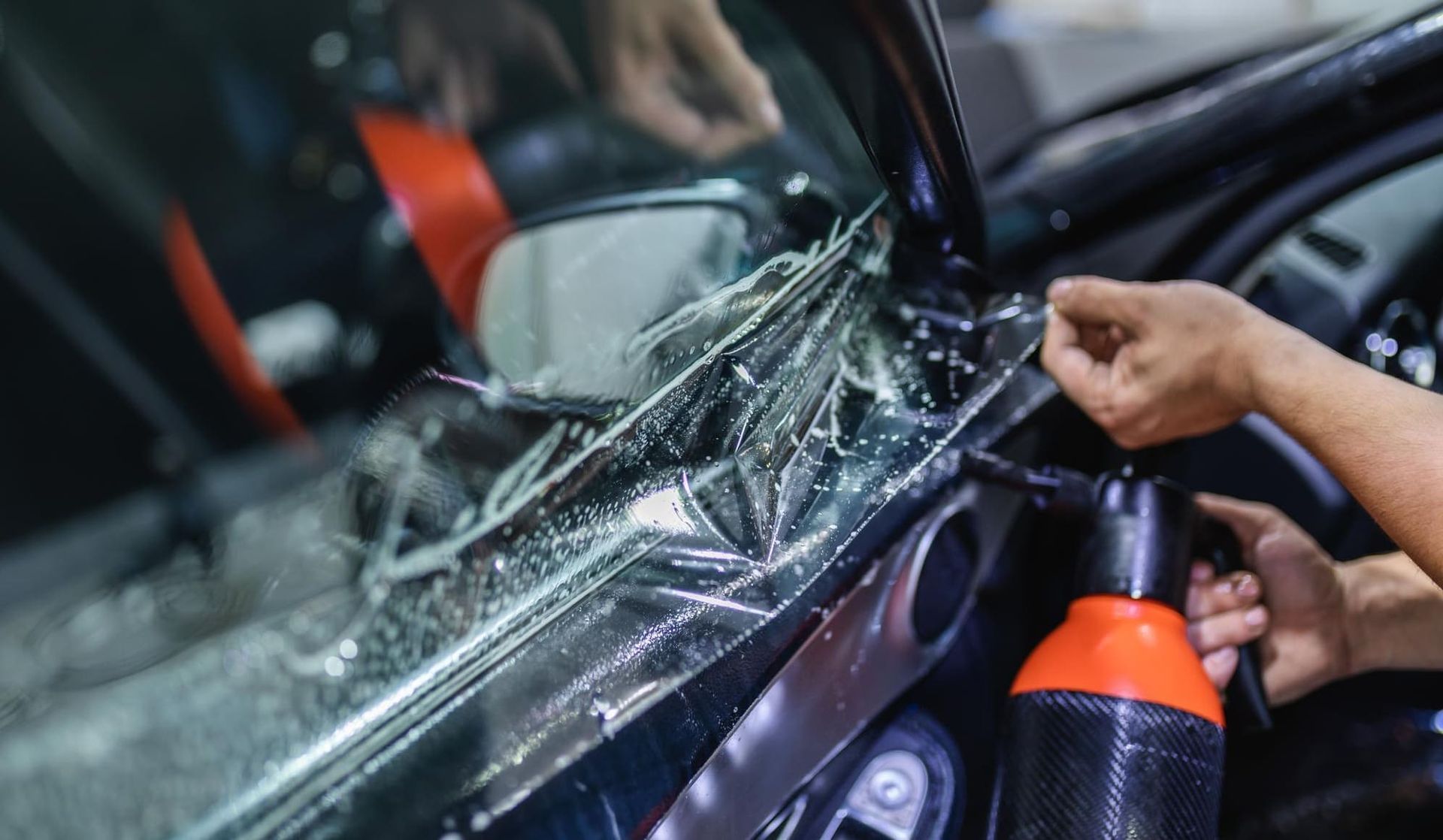
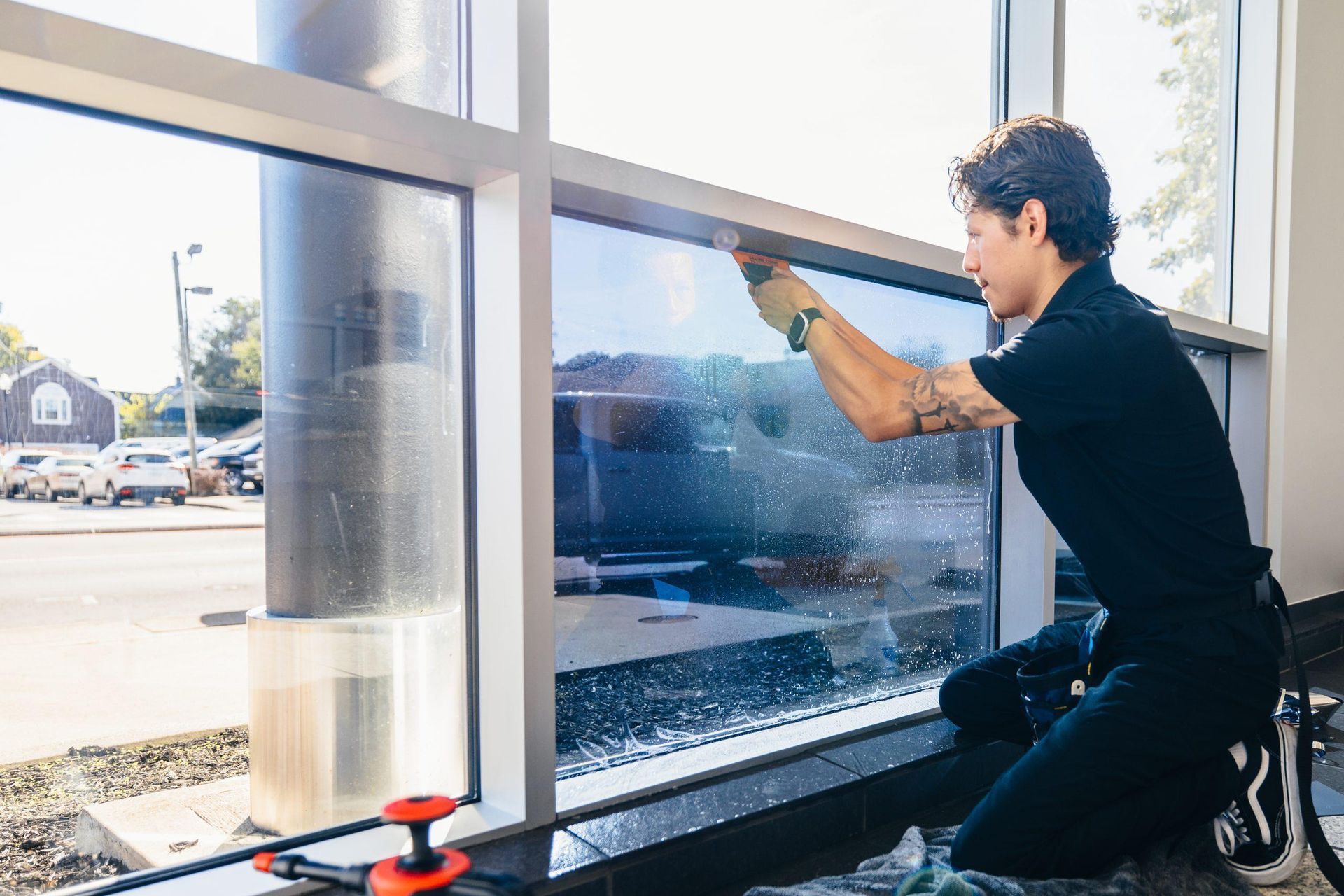
- Clean, precise installation that looks like it came with the car
Professional work also holds up better in our climate. Florida sun, salt air, and frequent driving can be tough on low-quality films. With proper materials and a careful install, you are less likely to deal with:
- Peeling at the edges
- Purple or faded tint
- Wavy or distorted views through the glass
For families who want to protect the entire vehicle, window tinting is just one piece of the puzzle. Services like paint protection film and ceramic coatings can help guard the outside of your car from sun, sand, bugs, and daily wear, so your family ride stays looking good longer.
Make Every Drive Safer and Cooler for Your Baby
Car window tinting is a simple change that can make a big daily difference for your child. A cooler interior, strong UV protection, and less glare all add up to a calmer, safer ride, whether you are just going across Cape Coral or heading out on a longer Gulf Coast trip.
Spring is a smart time for parents to think about this upgrade. Days are getting longer, the sun feels stronger, and busy summer plans are coming. Getting your family car tinted before the peak heat and humidity arrive means your baby’s seat will feel more comfortable from the start.
When you view tint as part of your overall child safety plan, it fits right in with choosing the right car seat, packing sun hats, and keeping snacks and water on hand. A little extra care on the windows can help every drive feel more relaxed, so you can focus on singing along to baby songs, watching for those sleepy yawns in the rearview mirror, and enjoying your time on the road together.
Cut Glare And Heat While Protecting Your Interior
If you are ready to improve comfort, privacy, and UV protection, our team at
Tints and Beyond is here to help. Explore how our
car window tinting in
Cape Coral can make your daily drive cooler and more enjoyable. To talk through your options or schedule an appointment, simply
contact us and we will walk you through the next steps.