Drive Cooler and Smarter in the Cape Coral Sun
Strong sun, bright coastal glare, and hot seats are part of daily driving in Cape Coral. By spring, the heat inside a parked car can feel rough long before summer even starts. Many drivers think about window tint, then pause because they are not sure what is legal, safe, or actually helpful.
There are a lot of myths about window tinting in Cape Coral. Some people worry they will get pulled over, fail an inspection, or not be able to see at night. Others think factory glass is “good enough” or that tint is only for looks. These ideas keep drivers from getting comfort and protection they could really use.
We work with window tint every day and see how the right film changes the way a car feels. With quality films designed for Florida sun and legal limits, you can stay cooler, protect your interior, and still drive with confidence. Let us clear up the biggest myths so you can choose tint before the peak heat hits.
Myth: Darker Tint Is Always Illegal in Florida
One of the first questions drivers ask is, “Is this legal?”
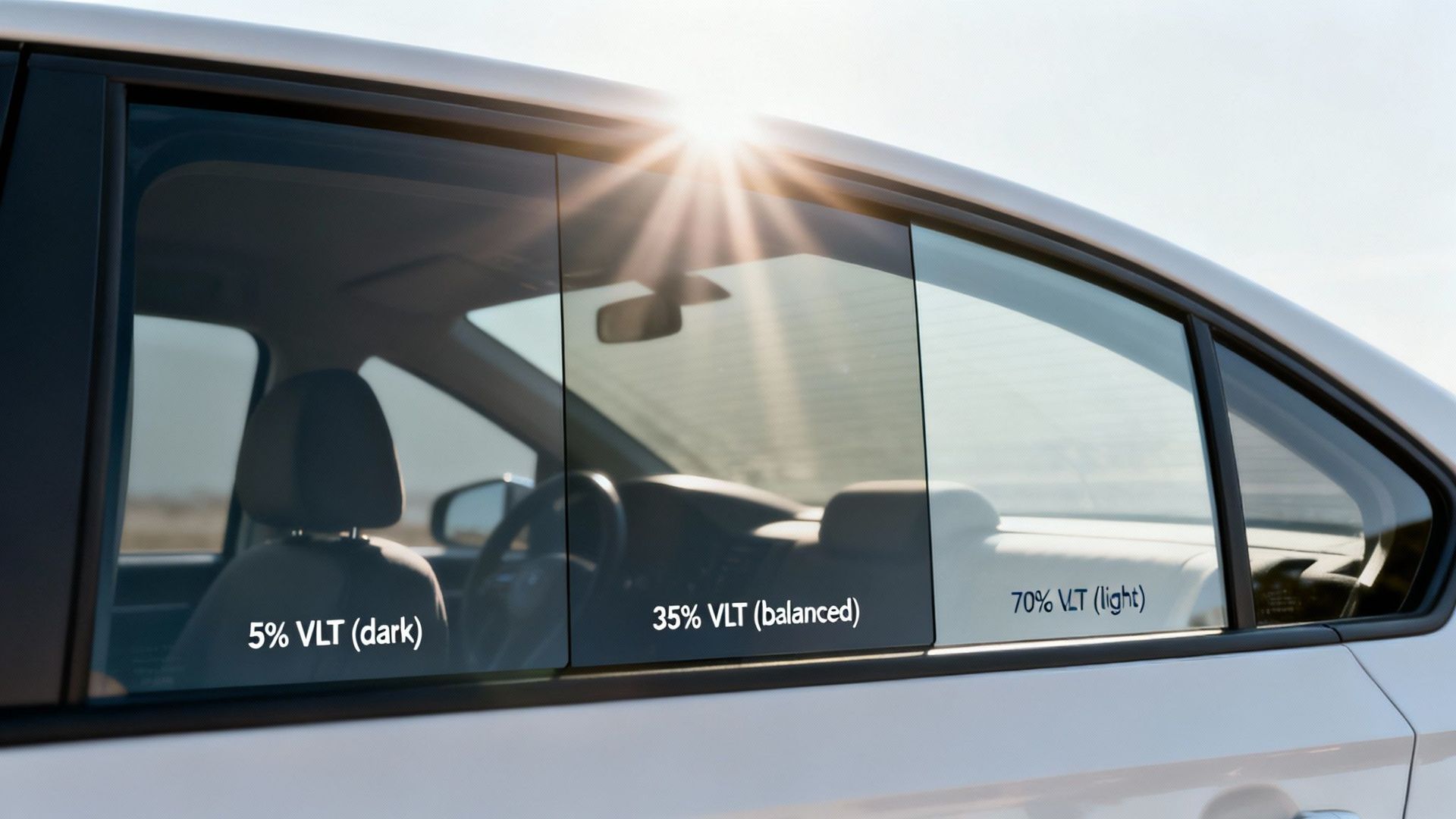
Florida tint laws are based on something called visible light transmission, or VLT. That is the amount of light that can pass through your glass and tint together.
Here is the simple version of how it works in our state:
- The front side windows must stay lighter than the back
- The windshield only allows a strip of tint along the top
- Rear side windows and the back glass can be darker, within specific limits
You do not need to know every number to stay legal. The key point is that darker is not always illegal, and lighter is not always weak. Good tint shops use tools to measure VLT and match films to the law so you can relax.
High-quality films like the LLumar options we install can block heat and glare without looking like sunglasses on your car. Modern tint technology focuses on controlling heat and UV, not just how dark the glass looks. This means you can get real comfort and protection and still pass a traffic stop or inspection with no stress.
When you choose professional window tinting in Cape Coral, your installer should talk through legal shades with you, check your glass, and help you pick a film that fits your style and stays within the rules.
Myth: Factory Privacy Glass Is the Same as Real Tint
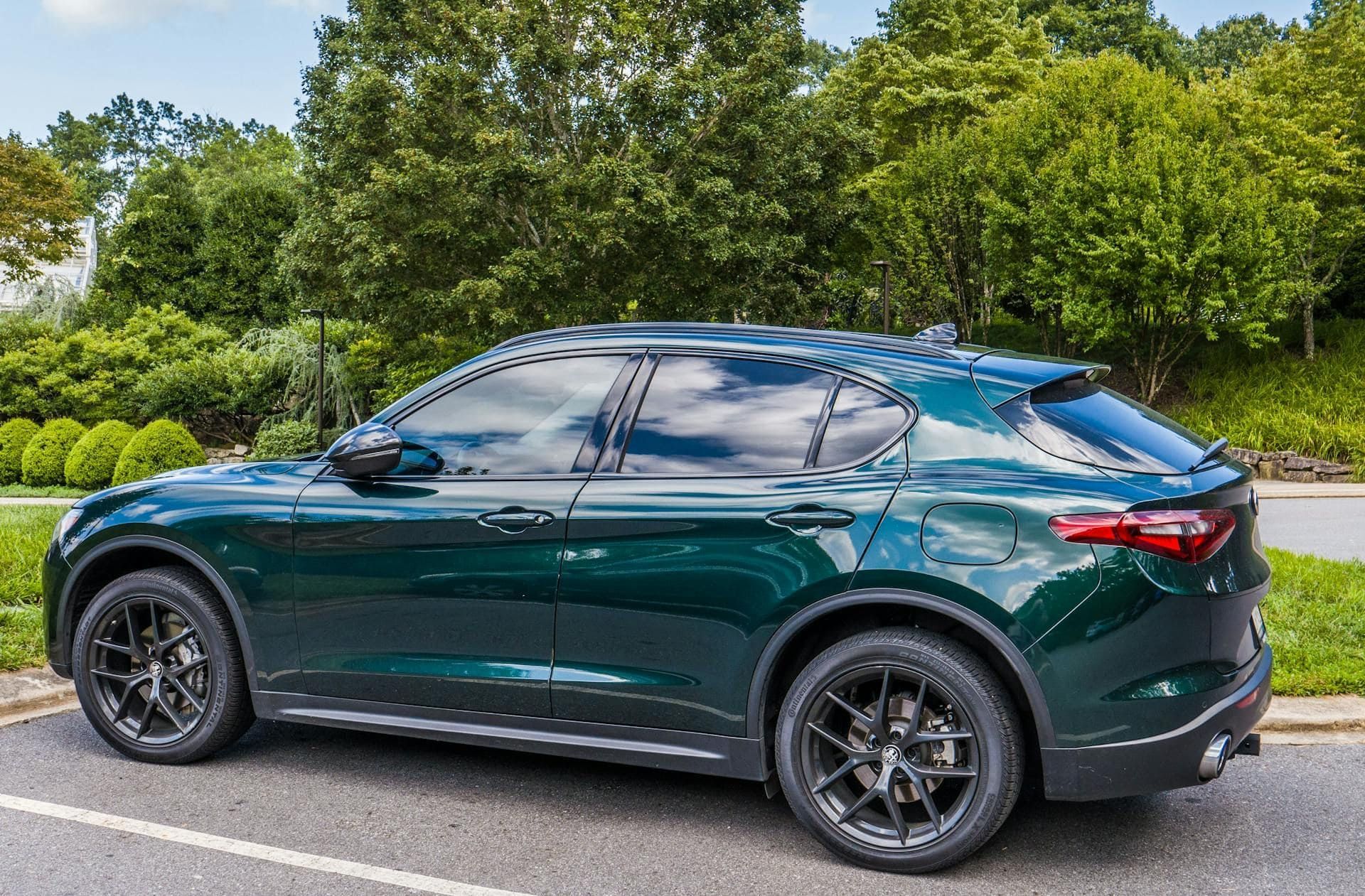
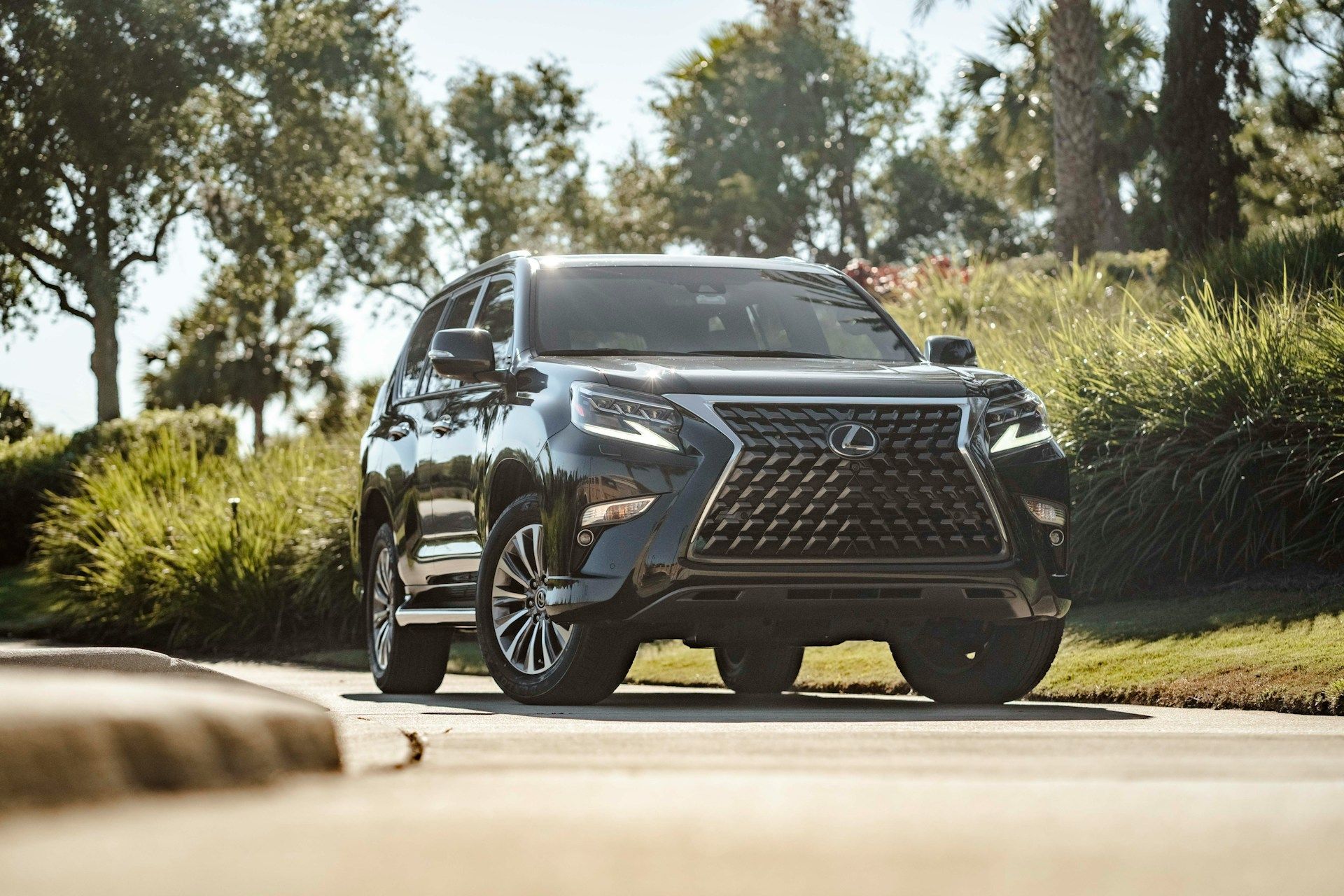
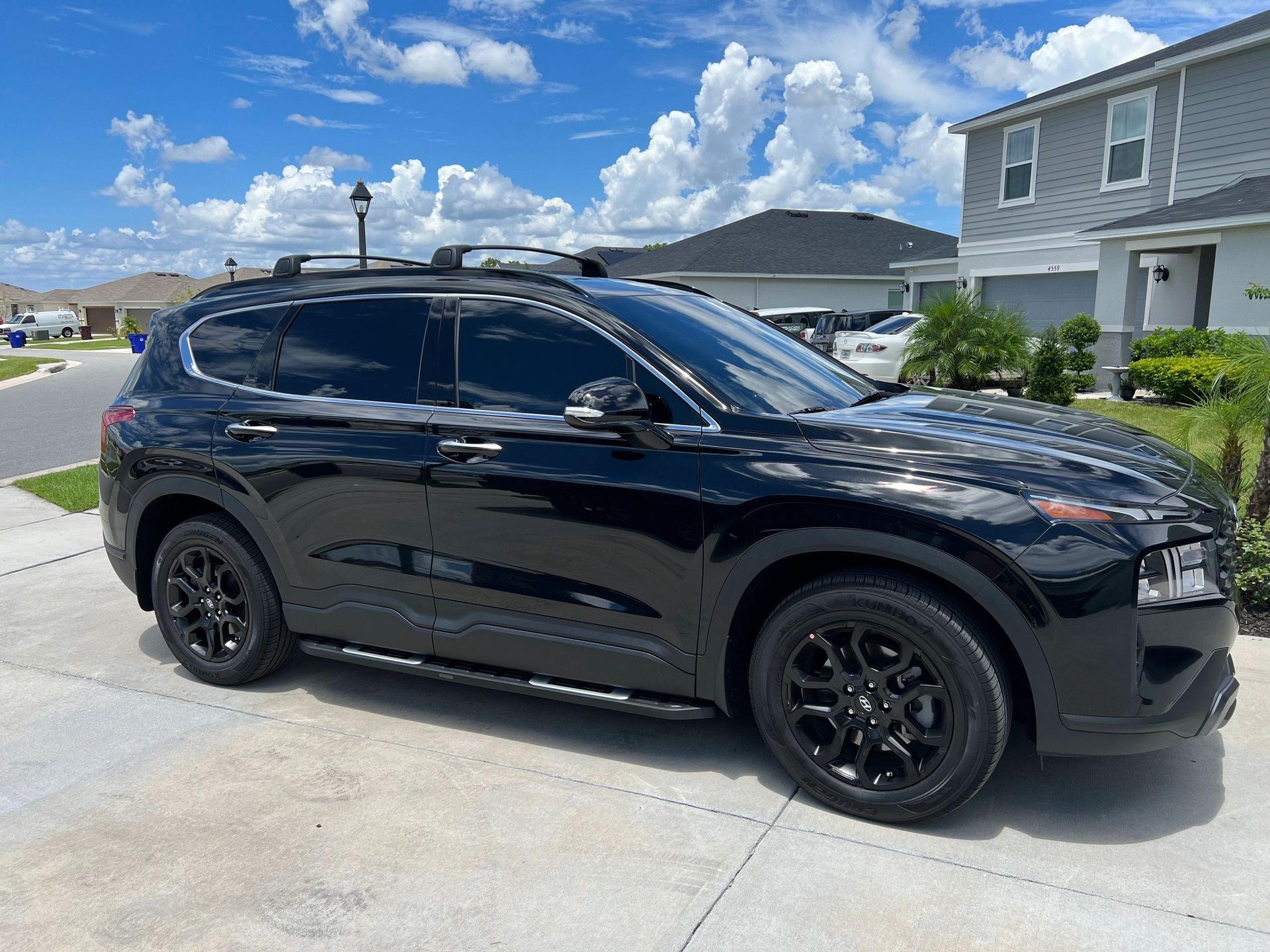
A lot of SUVs, trucks, and crossovers come with dark rear glass from the factory. It looks like tint, so many drivers assume they already have all the protection they need. That dark glass is usually privacy glass, not true heat control film.
Factory privacy glass is dyed during the glass-making process. It helps:
- Make it harder to see into the back seats
- Give the vehicle a sleek, darker look
- Cut a little brightness during the day
What it usually does not do well is block a lot of heat. It also is not designed like a premium film for strong UV protection or interior fade resistance. The sun in Cape Coral is direct and intense, so the difference really shows on long drives or when your car sits in an open lot.
Adding a ceramic or high-performance film over privacy glass can:
- Drop the temperature in the back of the car
- Help protect kids, pets, and passengers from harsh sun
- Help shield cargo and gear from heat and fading
Professional installers work right over that factory glass, so you keep the dark look but gain real performance. The rear area of your vehicle can feel closer in comfort to the front seats, which makes a big difference on hot days.
Myth: Window Tint Will Ruin My Visibility and Safety
Some drivers worry that tint will make it hard to see, especially at night or during a heavy rain. That can happen with films that are too dark or low quality, but it does not have to be that way.
Good tint, in a legal shade, can actually help your visibility by cutting glare from:
- Low sun over the water or horizon
- Headlights and LED light bars at night
- Reflections off wet roads or other cars
Glare is what makes you squint and strain. When you reduce it, your eyes are more relaxed and you can focus better. Modern films stay optically clear, so you are looking through a smooth, even layer instead of hazy or streaky glass.
The problems many people think of, like bubbling, peeling, or cloudy film, usually come from:
- Cheap materials that break down in strong sun
- Poor prep, such as dust or dirt trapped under the film
- Wrong shade choices for local laws and driving needs
Professional installers use clean prep methods and heat-shaping techniques to fit the film to your glass. They also help you pick a shade that feels comfortable in daylight but does not make you nervous at night. The result is tint that works with your driving, not against it.
Myth: Tint Is Just Cosmetic and Not Worth the Cost
Tint does change the way your vehicle looks, but that is only part of the story. In a sunny place like Cape Coral, it plays a daily comfort role that you feel every time you get behind the wheel.
Quality automotive tint can help:
- Lower cabin temperatures when your car sits in the sun
- Reduce how long you blast the AC to cool things down
- Make stop-and-go traffic less sweaty and draining
Heat and UV are rough on your interior too. Dashboards, seats, and trim bake over time, which can lead to fading and surface wear. A good film helps shield these surfaces and can keep your vehicle looking newer for longer.
There are safety benefits as well. Window film adds a layer that helps hold glass together if it gets hit. This can:
- Make it harder for quick smash-and-grab theft
- Help reduce how far glass pieces scatter in a minor impact
- Give you a bit more time and protection in stressful moments
So while the sleek look is nice, the day-to-day comfort, protection, and peace of mind are what many drivers end up appreciating the most.
Myth: All Window Tint Installations Are Basically the Same
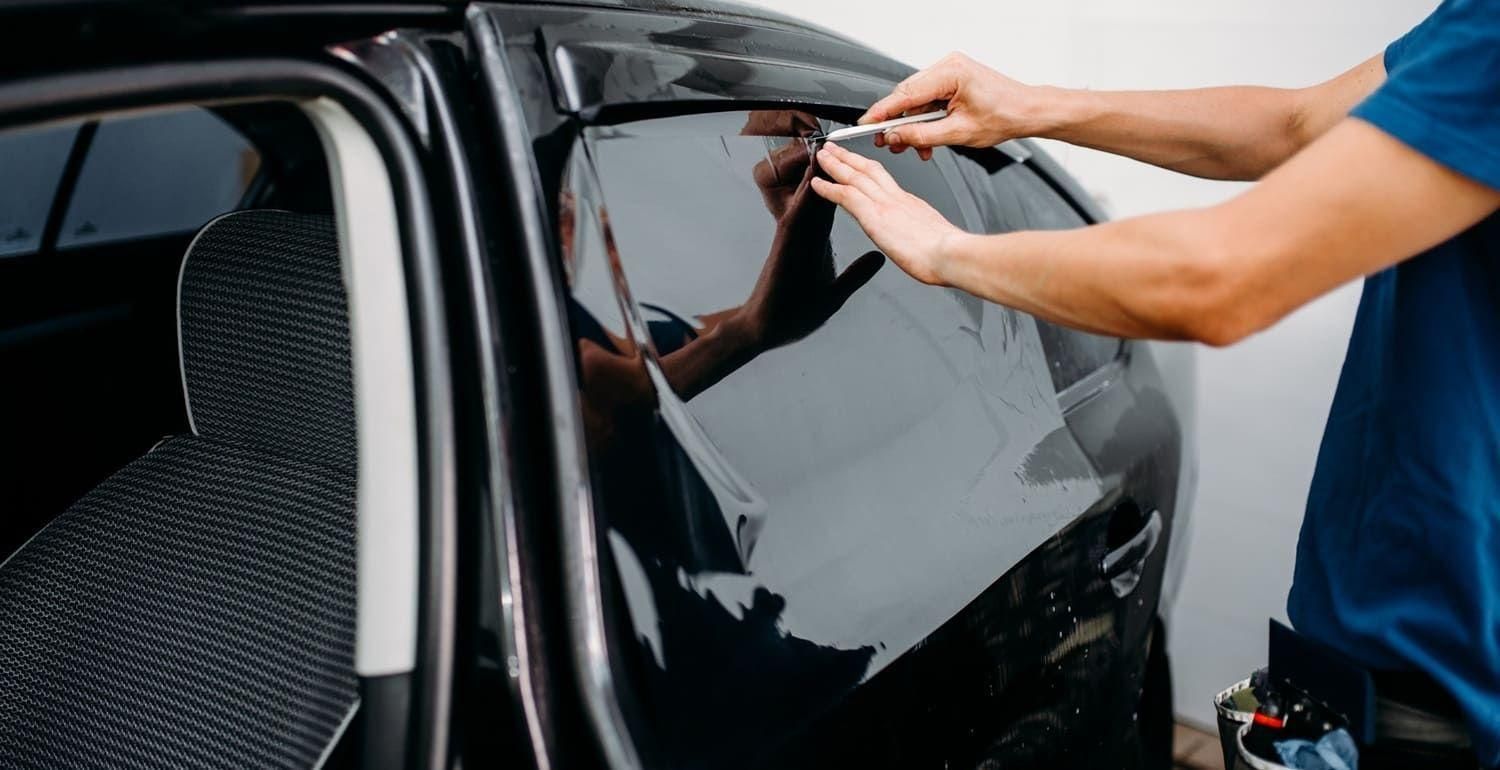
On the surface, tint might seem simple: cut film, stick it on, done. In reality, the process and materials make a huge difference in how it looks and how long it lasts in the Florida sun.
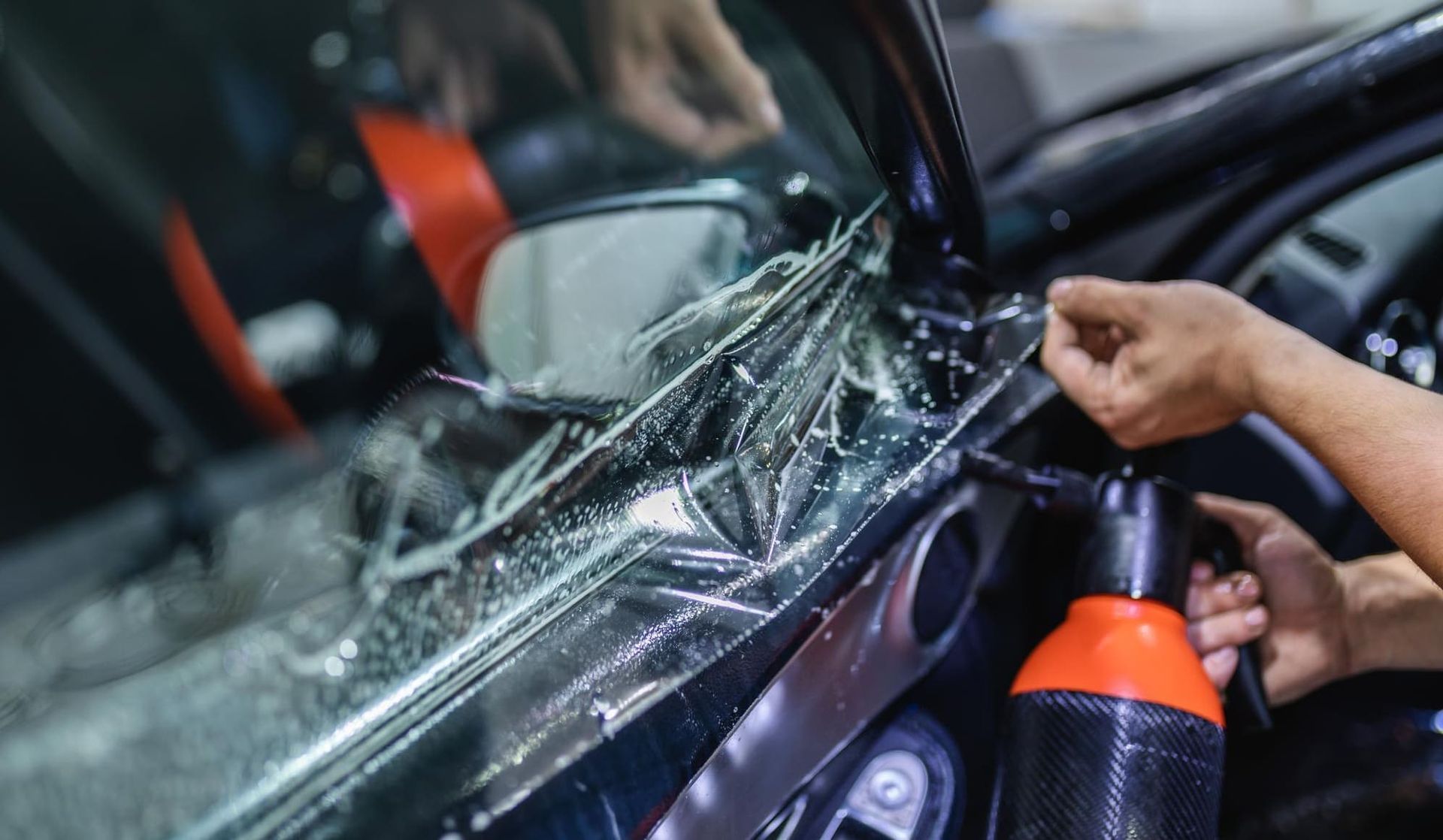
A professional auto spa focuses on steps like:
- Careful cleaning to remove dust, oils, and residue
- Measuring and trimming film to match each piece of glass
- Heat forming film so it lays flat on curved windows
- Tight edge work so the tint looks factory, not homemade
DIY kits and quick installs can skip some of these details. That is when you see gaps, rough edges, or early peeling. Strong sun and humidity only speed up those problems.
At our shop in Cape Coral, we use LLumar films that are built for bright climates and come with manufacturer-backed support. Pairing quality film with skilled install helps your tint stay clear and stable, not purple, bubbly, or scratched a short time later.
Get the Truth and Tint Your Ride Before Summer Hits
Spring is the perfect time to clear up the myths and think about what you actually want from window tinting in
Cape Coral. Legal performance films give you shade, comfort, and protection without hurting visibility or putting you at risk for tickets.
At
Tints and Beyond, we help drivers choose film shades and types that match their vehicle, daily routes, and
Florida tint laws. With the right setup in place before summer, you can enjoy cooler drives, a more protected interior, and a car that simply feels better every time you step inside.
Get Started With Your Project Today
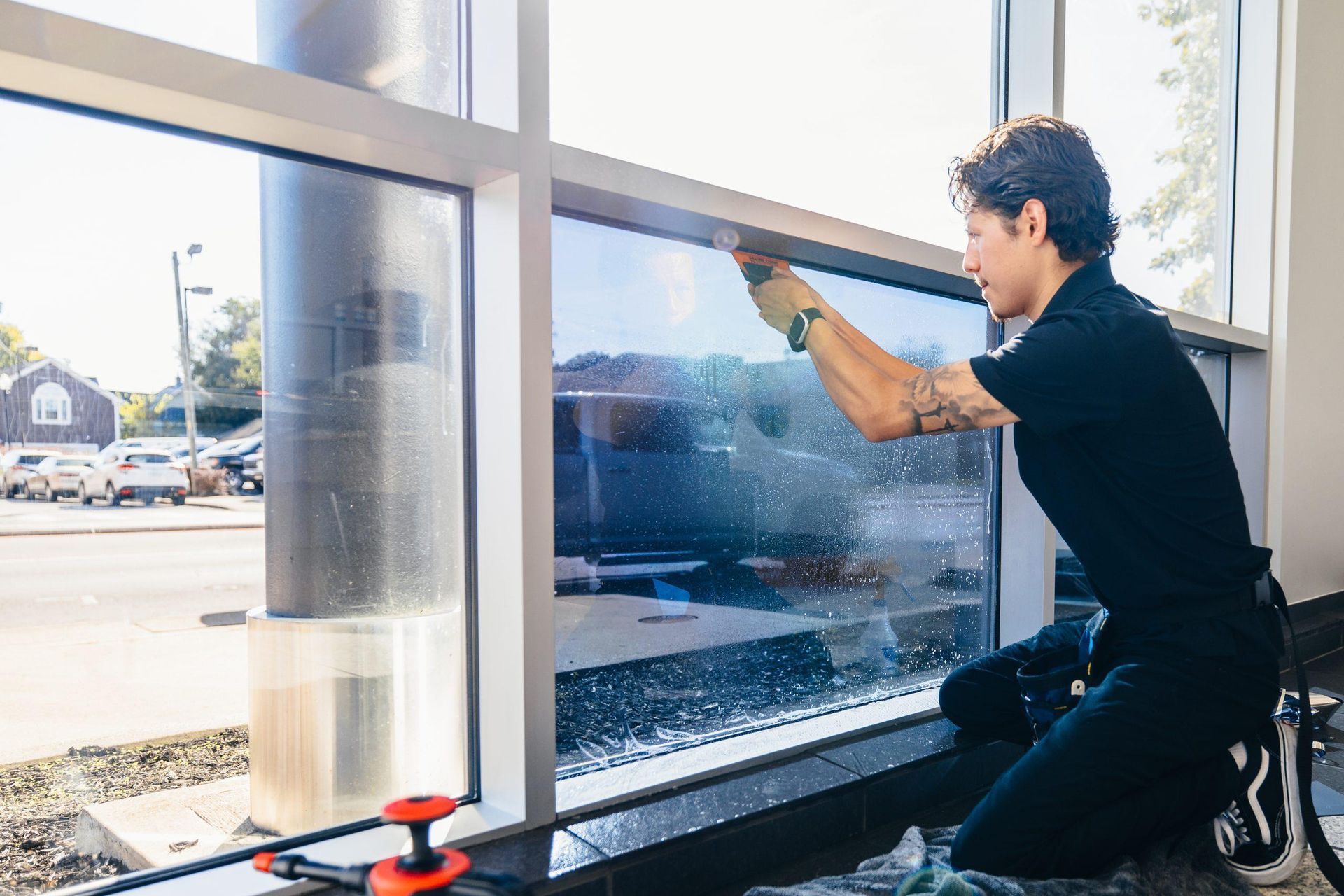
If you are ready to keep your home cooler, protect your interiors, and cut glare, we are here to help plan the right solution for your space. Explore our
window tinting in Cape Coral options to see how Tints and Beyond can upgrade your comfort and privacy. Reach out today and let us answer your questions, recommend films, and provide a clear, upfront quote, or simply
contact us to schedule your appointment.