Restore That Florida Sun-Faded Shine
Car paint correction is one of the best ways to bring tired, faded paint back to life, especially in our bright Florida sun. If your car used to glow in the driveway but now looks dull, cloudy, or scratched, you are not stuck with it that way. With the right process, that worn finish can often be brought back to a deep, glossy shine.
Paint correction is a careful machine polishing process that removes defects from the clear coat instead of just hiding them. We are not painting over the damage; we are cleaning and smoothing the clear coat so light reflects cleanly again. For Florida drivers, that means reviving faded paint, helping the car look newer for summer trips, and keeping your ride looking sharp all season.
How Florida’s Climate Wrecks Your Car’s Finish
Living near the Gulf means our cars deal with a lot more than simple sunshine. Here in Cape Coral, paint is under constant attack from UV rays, humidity, salty air, and afternoon showers. That mix can wear down even newer finishes faster than many people expect.
Some of the biggest paint problems in our area come from:
- Strong UV rays breaking down clear coat
- High humidity that keeps surfaces damp
- Salt in the air that clings to panels
- Frequent rain that leaves mineral water spots
Over time, you might see:
- Oxidation, where the paint looks chalky or cloudy
- Fading, especially on horizontal panels like the hood and roof
- Swirl marks from quick washes or rough towels
- Stubborn water spots that do not rinse away
- Early signs of clear coat failure if damage is ignored
Dark-colored vehicles, daily drivers, and cars that live outside take the hardest hit. As we move into the long days of summer and more storm activity, that damage can speed up if the paint is not protected and corrected.
What Car Paint Correction Really Fixes
Car paint correction targets the defects that normal washing, quick waxes, or store-bought products just cannot fix. Instead of adding another layer on top, we carefully remove a thin, controlled layer of clear coat to level the surface.
Paint correction can often improve:
- Swirl marks and light spider web scratches
- Light to moderate scratches that you cannot catch with a fingernail
- Oxidation and dull, chalky patches
- Haze and cloudy reflections
- Baked-on contaminants that are stuck to the clear coat
This is different from a basic detail or a glaze that only fills defects for a short time. Those products may look nice for a few washes, then the swirls and haze come back. With correction, we are shaping the clear coat itself so the results are more long-lasting when cared for properly.
We always want to set clear expectations. Paint correction will not:
- Fix deep gouges you can easily feel with a fingernail
- Repair peeling or flaking clear coat
- Replace missing paint or fix body damage from storms or debris
Those issues usually need repainting or bodywork. But even then, correcting the rest of the vehicle can help everything look more even and clean.
Step Inside the Professional Correction Process
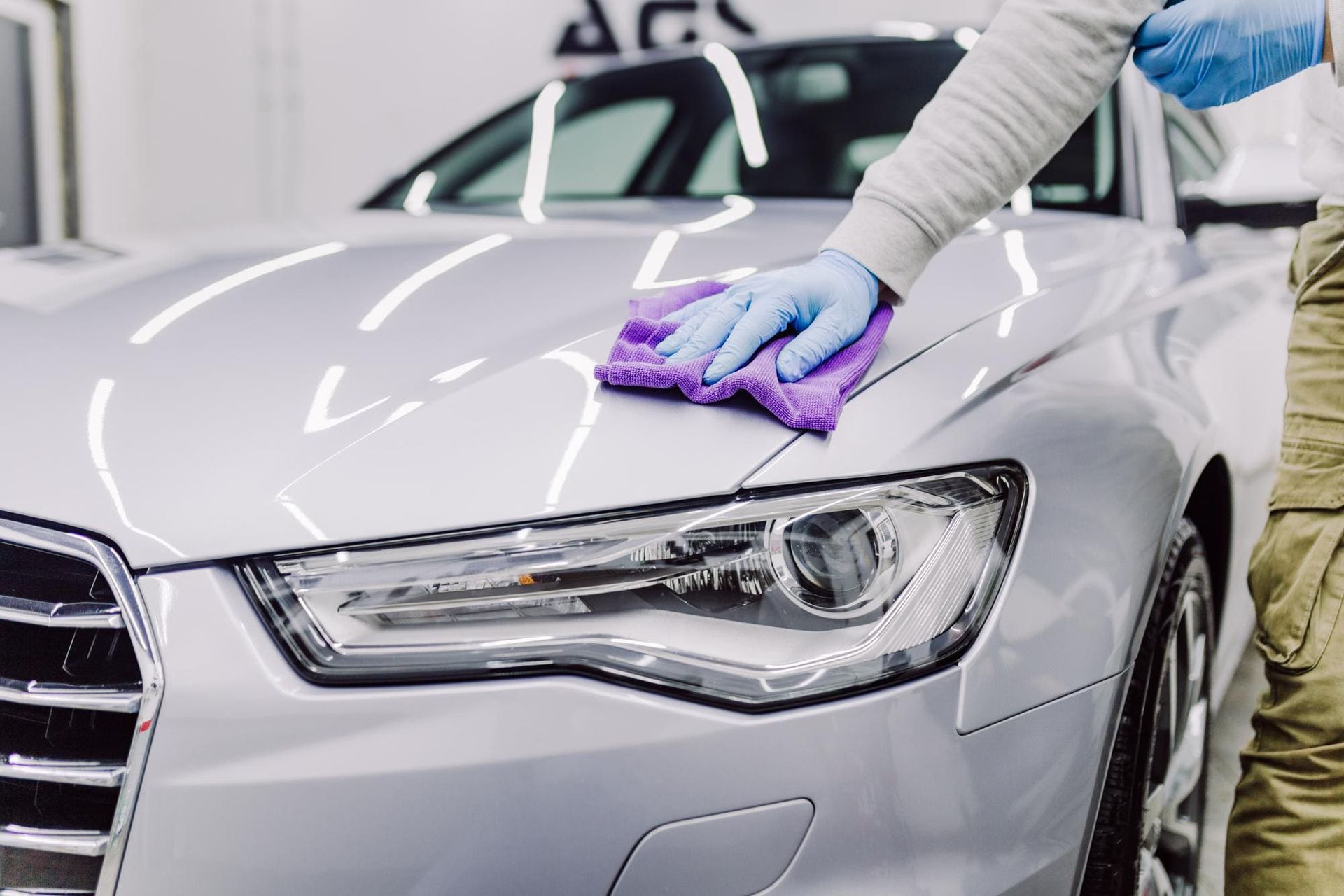
A proper paint correction is much more than running a buffer over the car. It starts with a close inspection so we know exactly what we are working with. At a shop like ours, we look at the paint under bright, focused lighting to map out defects and see how deep they are.
Prep is a big deal. Before we even pick up a polisher, we:
- Wash the car to remove loose dirt and road film
- Use chemical decontamination to break down stuck-on particles
- Clay bar the paint to pull out bonded contaminants you can feel
Once the surface is clean and smooth, we move into multi-stage polishing. That often includes:
- A cutting stage using a stronger compound and more aggressive pad to remove heavier defects
- A polishing stage to refine the finish and bring back clarity
- A final refining stage for maximum gloss and a crisp, mirror-like look
Every car is different. Some paints are soft and mark easily. Others are hard and need more aggressive polishing to correct. Florida heat adds another challenge, since panel temperature needs to be watched closely. An experienced technician knows how to adjust pressure, pad choice, speed, and polish so we correct as much as safely possible without thinning the clear coat too far.
Pairing Paint Correction with Ceramic Protection
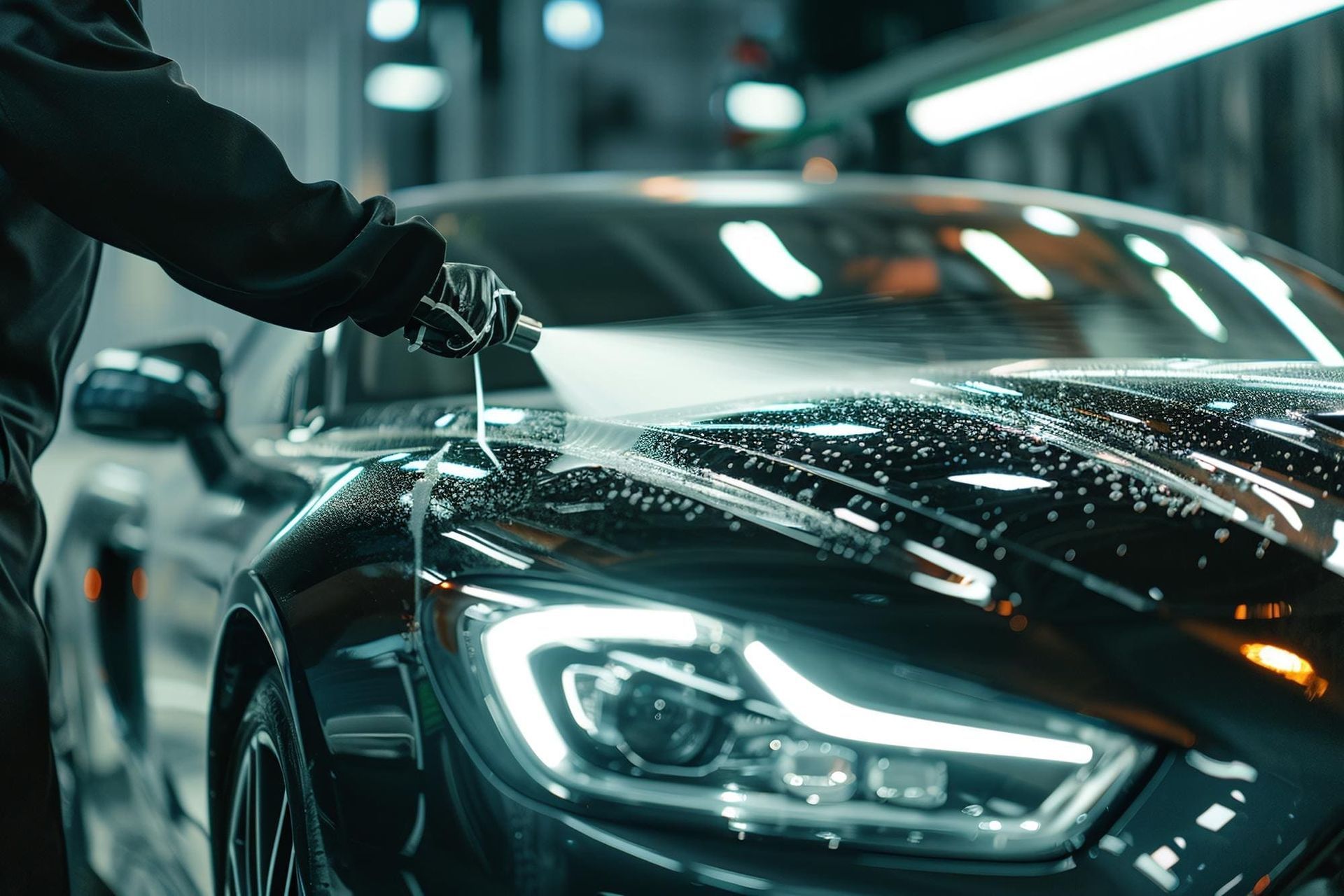
Think of paint correction as fixing the canvas and ceramic coating as sealing it so it stays nicer longer. Once the clear coat is smooth, clean, and glossy, it is the perfect time to protect it from our harsh sun and wet weather.
A quality ceramic coating over corrected paint can:
- Add strong UV resistance to slow fading
- Make washing easier after daily summer showers
- Help resist water spots, bird droppings, and bug splatter
- Lock in that deep gloss so it lasts longer
Many drivers in our area choose to combine paint correction with ceramic coating or even paint protection film on high-impact areas. That way, they get a like-new shine and added defense before long drives, beach days, and the stormy part of the year. Correct first, protect second, so you are not sealing in defects.
How to Know If Your Vehicle Needs Correction Now
You do not need any special tools to spot the early signs that your car might benefit from correction. A few simple checks at home can tell you a lot.
Try this:
- Look at the paint in direct sun and move your head side to side. Do you see swirls or spider web patterns?
- Check the hood, roof, and trunk for dull or chalky areas compared to the sides.
- After a careful wash, look for water spots that refuse to come off.
- Shine a light at an angle in the evening. Do you see haze instead of clear reflections?
Late spring and early summer are a smart time for many Florida drivers to correct paint. The days are long, road trips and weekend drives are common, and the strongest sun and frequent storms are on the way. Getting the paint corrected and protected before that peak stretch can help it stay looking better for the rest of the year.
If the defects are all over the car, washing does not improve the clarity, or past DIY products have made the swirls worse, this is usually the point where a professional inspection is the safest choice. A trained eye can tell you what can be corrected and what may need deeper repair.
Give Your Car a Second Chance at Showroom Glow
Faded, sun-beaten paint does not always mean your car is “too far gone.” With proper car paint correction, many Florida vehicles can get a second chance at that rich, glossy look, even after years of UV, humidity, and salt. Instead of jumping straight to repainting, correcting and protecting the clear coat can add years of good looks and help your car feel fresh again.
At
Tints and Beyond in
Cape Coral, we work with drivers across Southwest Florida who want to protect their vehicles from our tough coastal climate while still enjoying that showroom-level shine. A simple in-person inspection lets us see what your paint needs and how aggressive or gentle the correction should be, then we can recommend the right level of correction and long-term protection for your daily life on Florida roads.
Get Started With Your Project Today
If swirl marks, light scratches, or dull paint are taking away from your car’s appearance, we are ready to help restore a deep, reflective finish. At
Tints and Beyond, our expert car paint correction process is tailored to the condition of your vehicle for results you can see up close.
Reach out to our team today so we can discuss your goals and recommend the best approach for your car.