How Florida’s Coast Quietly Destroys Car Interiors
Florida’s coastal sun is no joke. On a summer afternoon in
Cape Coral, you step out of the car, feel the glare on your skin, and reach for sunscreen or sunglasses. You protect yourself, but most drivers forget that their car’s interior is getting baked and aged at the same time.
The damage does not show up in one day. It sneaks in little by little. That nice leather or clean cloth starts to fade, the dash gets dull, plastics feel sticky, and before you know it, the inside of your car looks older than it really is. Here, we will walk through what the coastal climate actually does to your interior, what you can expect to see over time, and how the benefits of car window tinting help slow all of that down.
Sun, Heat, and Humidity Inside Your Car
When you park in the sun, your windows act like a glass oven. Light and heat pour in, bounce around, and get trapped. Inside temps can climb far past what feels safe, especially in the middle of the day. Even if the outside air feels breezy by the water, inside the cabin it is a different story.
UV rays are a big part of the problem. They pass through the glass and attack surfaces directly. UV does not care if it is a clear day or a hazy one. Over time it breaks down:
- Leather and vinyl
- Cloth fibers
- Dash and door panel plastics
- Stitching and foam under the surface
Dark dashboards and leather seats soak up even more heat. The hotter they get, the faster they dry out, fade, and stiffen. That heat also builds in the steering wheel, center console, and armrests, so those parts age faster than shaded areas.
Humidity is the other half of the coastal mix. In Cape Coral, the air is rarely dry. All that moisture sneaks into:
- Foam cushions
- Adhesives behind panels
- Soft-touch plastics and rubber trim
When you mix high heat with high humidity, you get warping, softening, and that sticky feeling on some surfaces. Afternoon storms make it worse. Your car sits closed up after a quick downpour, and the inside feels like a steam sauna, which is hard on almost every material.
Fading, Cracking, and Warping: What You Actually See
The first signs usually show on the seats and dash. UV exposure slowly pulls color out of leather, vinyl, and cloth. The top of the dashboard and the upper part of the seat backs take the hardest hit because they are right in the sun.
Common things we see over time include:
- Cracked dashboards and lifting edges near the windshield
- Peeling or curling trim pieces around vents and gauges
- Split seams on seat bolsters where you slide in and out
Light interiors do not escape the damage. They may not look as faded at first, but they start to stain and yellow. Dark interiors go the other way. They lose that rich, deep tone and turn dull or grayish. Either way, the cabin loses that clean, cared-for look.
Heat is rough on electronics too. Every time your car bakes, your screens and electronics go through a stress cycle. Repeated high temps can:
- Shorten the life of touchscreens and digital displays
- Fade or cloud backup camera screens
- Cause small sensors and plastic covers to warp
Behind the scenes, glues and clips are also getting tired. When adhesives soften and harden over and over again, they can let go. That is when you start to notice rattles, buzzing noises, and loose trim pieces that never used to move.
Salt Air, Sand, and Storms: Coastal Damage You Cannot Ignore
Coastal living brings extra problems that drivers inland may not think about. Salt from the air reaches farther than you might guess. It does not just stay on the paint. It can work its way into your vents and tiny gaps in your interior.
That salty air can speed up corrosion on:
- Metal seat rails and frames under the carpet
- Internal parts inside switches and controls
- Hardware hidden inside doors and consoles
Then there is sand and fine grit. A quick stop at the beach can leave grains everywhere. When sand works into carpets and seat rails, it acts like sandpaper. It scratches plastic door sills, center consoles, and lower panels. Even with regular vacuuming, coastal drivers usually need to clean more often just to keep a normal look.
Storm season adds more pressure. Fast afternoon showers mean a lot of wet-dry cycles. Your shoes track water in. That moisture can settle into floor mats, carpets, and padding. If the car stays closed, it has a hard time drying out.
You may notice:
- Fogged windows, even when the AC is on
- A musty smell that never fully goes away
- Spots of mildew under mats or under seats
All of this chips away at both comfort and long-term value.
How Window Tint Shields Your Interior Investment
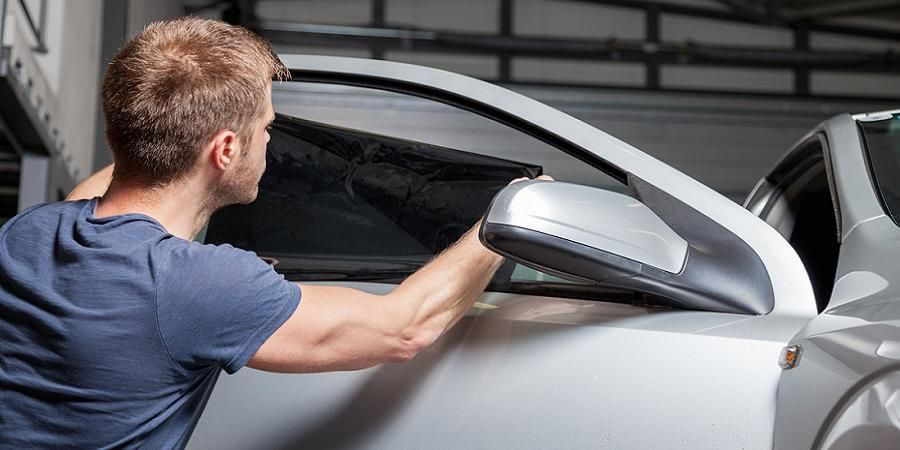
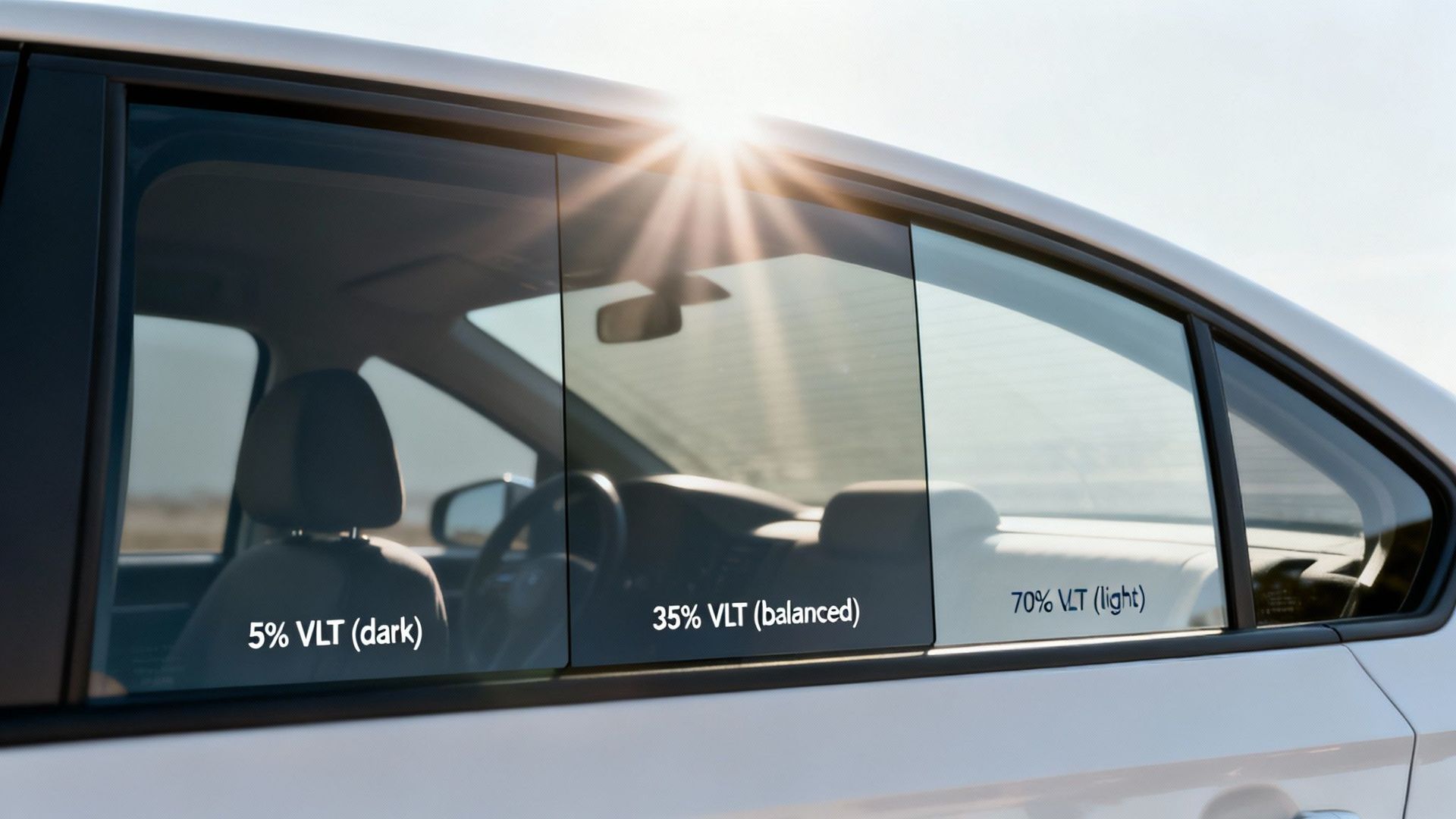
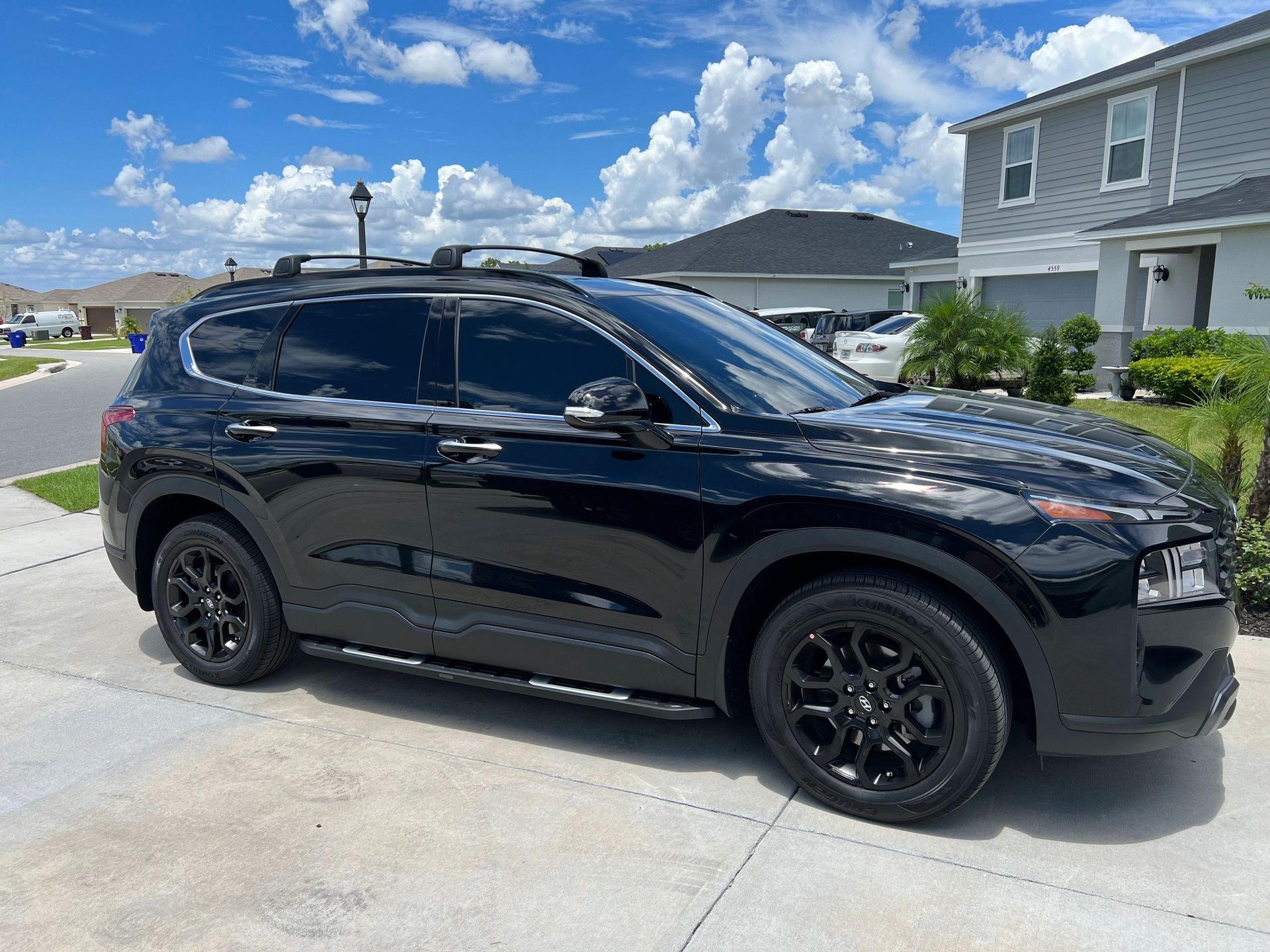
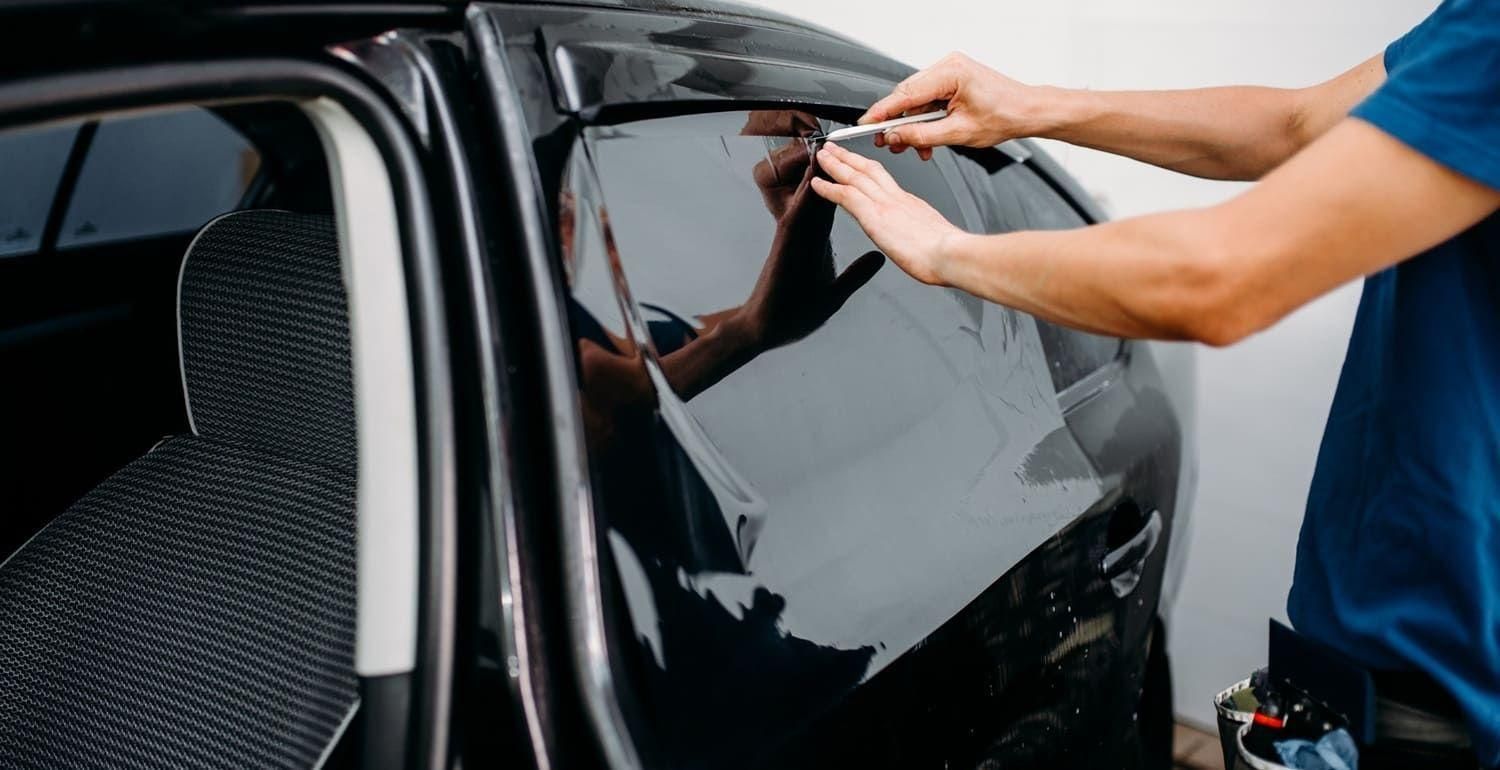
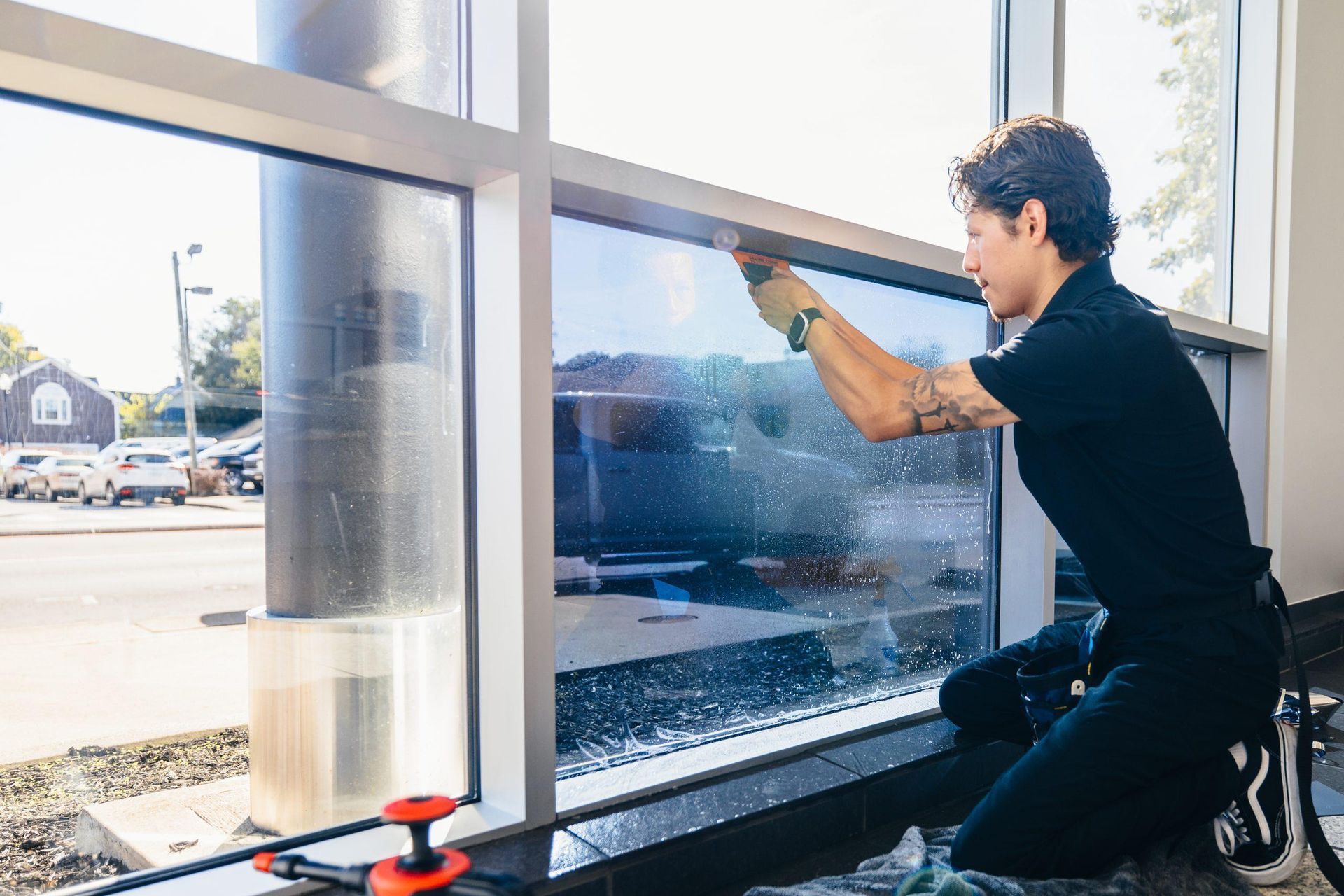
This is where the benefits of car window tinting really start to show. Quality tint film blocks much of the heat and UV that would normally rush through plain glass. That means your cabin temperature does not spike as hard, and surfaces are not getting blasted all day.
With less UV and less heat, your interior materials hold up longer. Tint helps:
- Slow fading in leather, vinyl, and cloth
- Reduce drying and cracking on dashboards and panels
- Protect stitching, foam, and hidden parts from harsh conditions
You also feel the difference every time you get in. A cooler interior means you are not burning your hands on the steering wheel or sticking to the seats as much. Your AC does not have to fight as hard, which can make daily driving more pleasant in long coastal summers.
Glare reduction is another plus. On sunrise and sunset drives along the water, tint cuts that sharp blast of light that hits your eyes and reflects off the dash. It can make the road easier to see and less tiring on your vision. With the cabin not overheating as often, plastics are less likely to off-gas as much, which can help cut down on that strong hot-plastic smell in a parked car.
In Florida, how you tint matters. There are state rules about how dark you can go, and the sun here is strong all year. Cheap films can fade, bubble, or turn purple in this climate, which does not look good and does not protect very well. Professional installers who work in Cape Coral conditions every day understand which films hold up better in our heat, humidity, and coastal air.
Protect Your Interior Before the Next Heat Wave Hits
The hard truth about interior damage is that most of it does not reverse. Once leather cracks, a dash splits, or plastics warp, you are looking at repairs or replacement, not a simple cleanup. That is why it helps to think of window tint as protection first and style second.
At Tints and Beyond, we see how Florida’s coastal climate wears out cars from the inside out. Window tint, paint protection film, and ceramic coatings can work together as a full shield for both your interior and exterior. Taking steps now means your cabin can stay cooler, look cleaner, and feel newer for much longer, no matter how strong the sun gets.
Get Started With Your Project Today
Discover how the
benefits of car window tinting can improve comfort, privacy, and protection every time you drive. At
Tints and Beyond, we take the time to understand your needs and recommend the film that fits your vehicle and lifestyle.
Reach out today so we can help you plan a tinting solution that looks great and performs over the long term.