Why Your First Tint Decision Matters in Florida
Buying a car in Florida feels great, until the first time you sit in it after it has been parked in the sun all afternoon. The steering wheel is hot, the seats feel like a grill, and you are squinting through glare. That is why window tint is often one of the first upgrades new Florida owners think about.
But picking a car window tint shop is not just about how dark the windows look. Your choice affects how comfortable you are in traffic, how well you see in heavy rain, how protected your skin and interior are, and even how your car looks to a future buyer. A quick, cheap tint job can seem fine on day one, then slowly turn into a headache.
There are a few things many new Florida owners overlook: state tint laws, hurricane season, warranty details, and real film quality. When these are done right by a professional shop, your tint works quietly in the background, day after day, and your car simply feels better to live with.
Florida Tint Laws New Owners Often Misread
Florida is pretty friendly about window tint, but that does not mean anything goes. The rules change depending on which windows you are tinting and what kind of vehicle you drive. It is very easy for someone who is new to the state to copy a friend’s tint and end up on the wrong side of the law.
A few common law points many people mix up include:
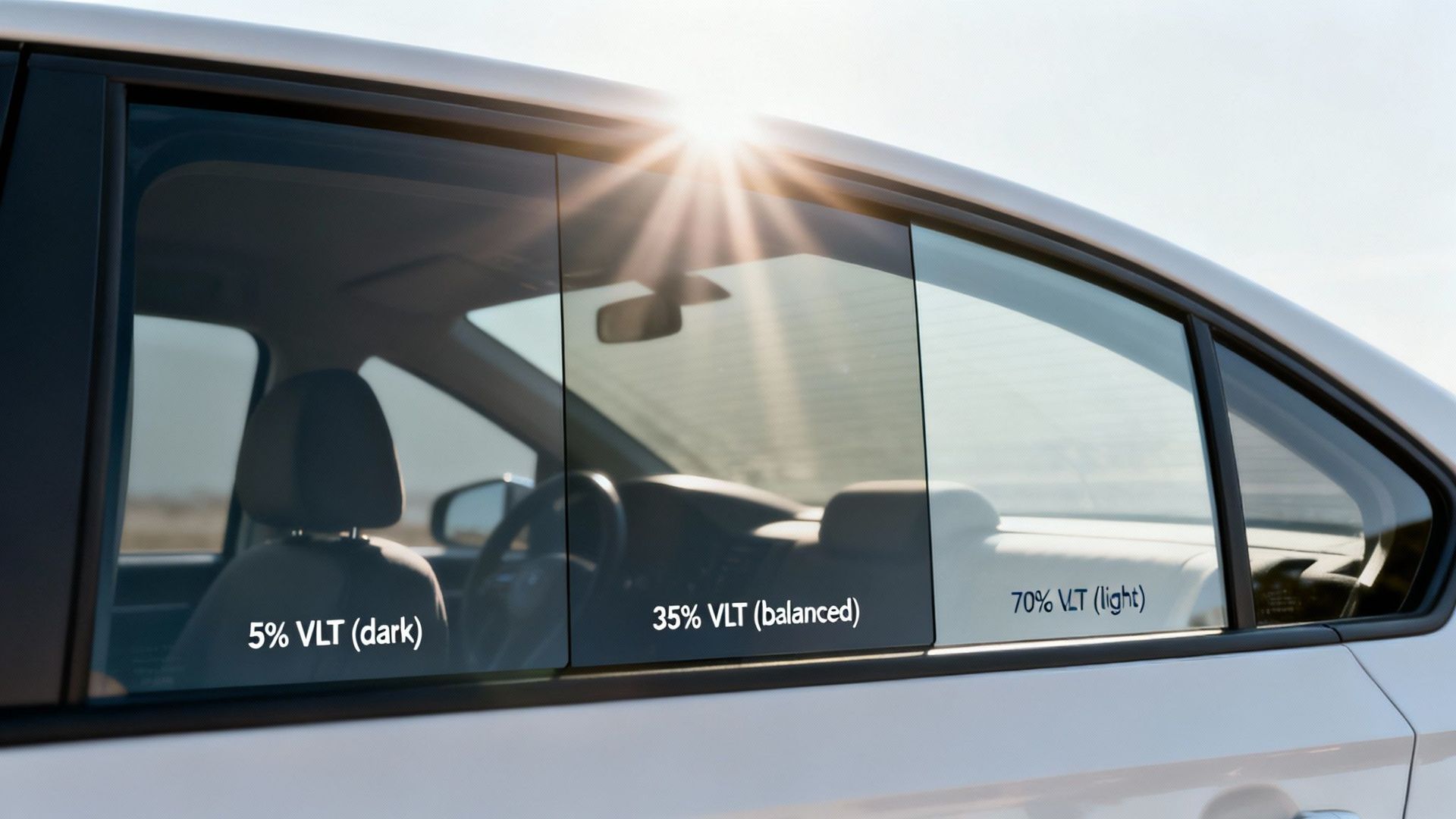
- How much light must still pass through the front side windows
- How much darker the rear windows can be compared to the front
- How far down the windshield a sun strip or band is allowed
A good car window tint shop does not guess. Shops that care about your car use tools like:
- Tint meters to measure how much light actually passes through your glass and film together
- Clear charts that break down the different rules for sedans and SUVs
- Software or guides that help match film darkness to legal limits
There are also hidden details. Medical exemptions must be handled the right way. Some vehicles are classified differently than owners expect. If you ignore this, you might deal with tickets, failed checks, or questions from your insurance. Working with pros who stay on top of Florida rules keeps you from having to peel film off later.
Film Quality and Heat Rejection Beyond Darkness Levels
A common myth is that darker always means cooler. In Florida, that is not true. Two cars can both look dark from the outside, but inside one feels cooler and less sticky than the other. The difference comes from the type and quality of film, not just the shade.
Most films fall into a few main types:
- Dyed films, mostly about looks, with basic heat blocking
- Metalized films, better at heat, but can affect GPS or radio signals
- Carbon films, solid all-around with stable color
- Ceramic films, designed for high heat rejection and clarity
On a late summer afternoon, the sun feels intense, even if the day is a little cloudy. A higher quality film helps cut the heat that builds up in your dash, door panels, and seats. It also blocks a lot of the UV rays that can dry out leather and crack plastics over time.
Many people assume all tint blocks the same amount of UV or stops the same amount of heat. That is where a careful car window tint shop steps in. The right shop will:
- Show you sample boards so you can see and touch different films
- Use a heat lamp demo so you feel the difference with your own hand
- Walk you through spec sheets in plain language, not tech talk
That way you can pick a film that stays clear, does not mess with your signals, and truly makes your car cooler, not just darker.
Installation Craftsmanship You Only Notice Later
On install day, most people glance at their new tint, see that it looks dark and smooth, and drive away. The real test comes weeks or months later. That is when small details, good or bad, start to show.
Signs of strong craftsmanship include:
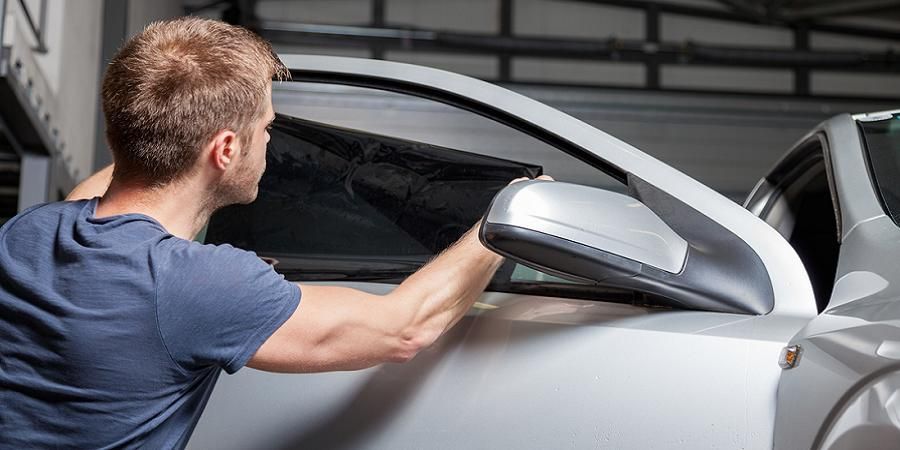
- Even edges that follow the glass line, not jagged cuts
- No dust specks, dirt lines, or random bubbles trapped under the film
- Clean cuts around sensors, brake lights, and speakers
- Protected rear defroster lines that still work like they should
Florida brings extra challenges. Humidity stays high, and surprise rain showers are normal, especially in the fall. If tint is installed in an open driveway or a hot, sticky space, moisture and dust can get under the film. Cure time can stretch out, and you might see hazy spots or lifting edges.
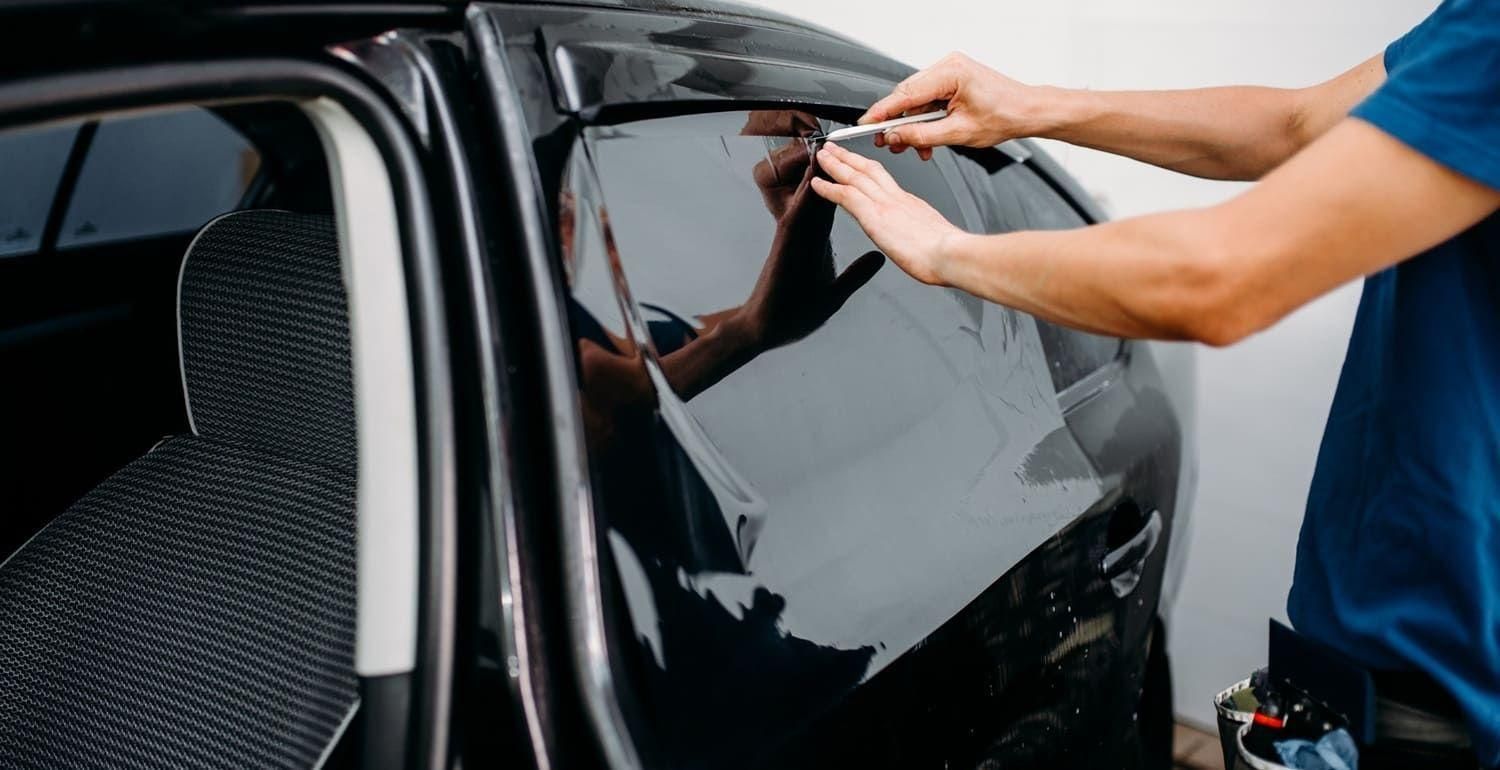
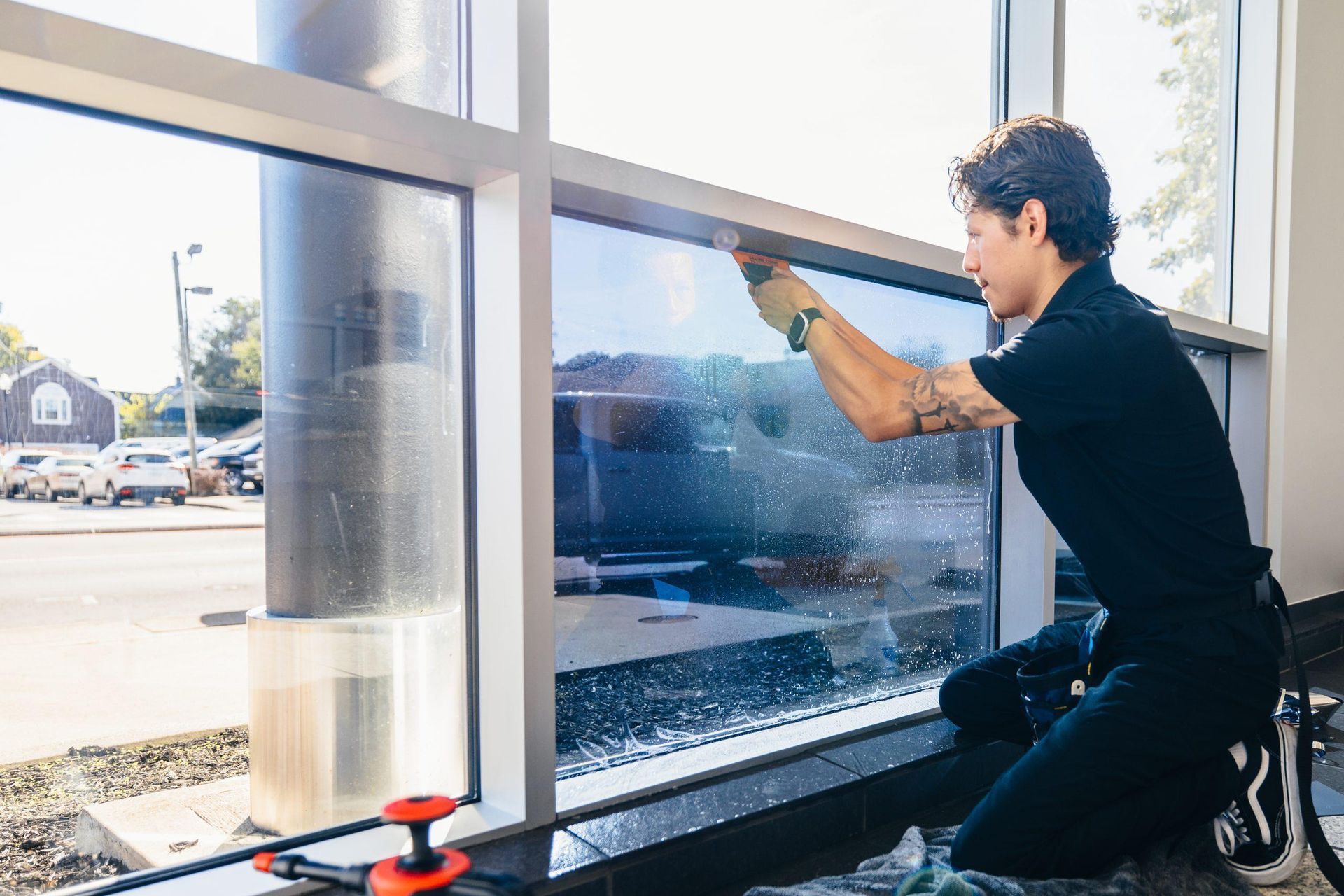
A professional shop uses an indoor, climate-controlled bay that shields your car from gusts of wind and wet air. Trained installers follow a clear process for washing the glass, taping or covering interior panels, and carefully handling trim pieces. You may not notice each step, but you will notice the calm, clean look every time you sit in the driver’s seat.
Warranties, Aftercare, and Hurricane-Season Realities
Tint warranties can sound impressive until you read the details. There are usually two layers: the warranty from the film maker, and the warranty the shop itself provides. They can cover issues like peeling, bubbling, fading, or strange color changes, but only if the film and installation meet certain rules.
Before you agree to anything, it helps to ask:
- Is the warranty in writing and easy to understand?
- Who handles a claim, the film maker or the shop, and where do you go?
- Is the warranty tied to the car, so it can transfer to a new owner?
Aftercare is another area people rush past. Florida’s weather stays hot and humid, and in coastal areas salt air can work slowly on everything, including tint. For the first days after install, it is smart to:
- Avoid rolling windows down until your installer says it is safe
- Skip harsh cleaners, scrub pads, or ammonia-based products
- Expect a normal haze while the film cures, especially in humid air
Storm season adds one more layer. Heavy rain and strong winds slam your glass, and quick swings in temperature are common when a storm rolls through. Secure, properly bonded film is less likely to lift or peel around edges under that stress. Well-run shops also keep records and photos of your job, which can be helpful if questions ever come up later.
Choosing a Shop That Protects You Long After Install
Picking the right car window tint shop is really about trusting someone with your comfort and your car’s long-term health. Before committing, it helps to build a simple checklist so you feel confident.
Look for things like:
- Clear use of known film brands and explanations of film options
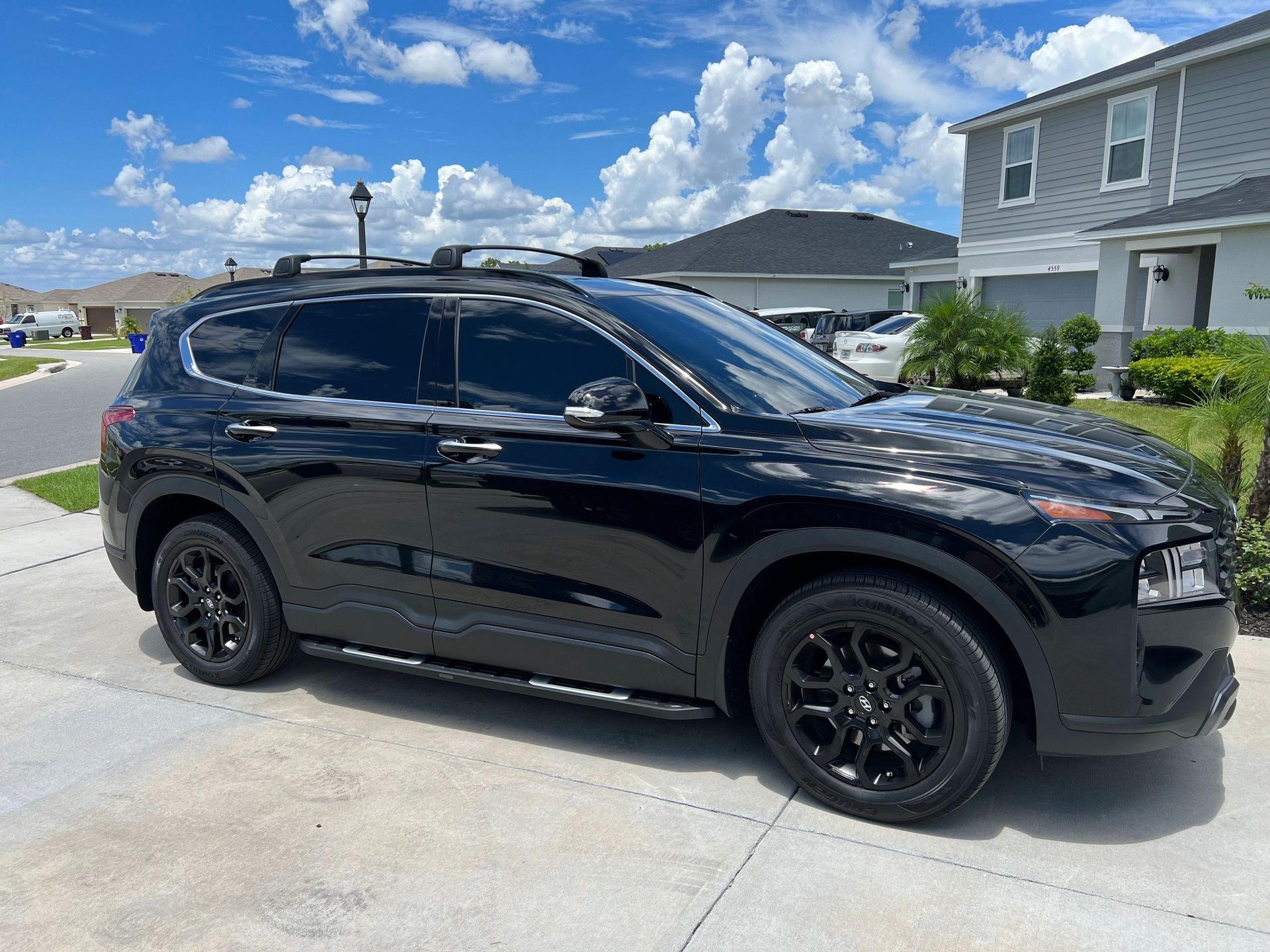
- A portfolio or photos of real Florida vehicles they have tinted
- Consistent online reviews that mention quality and service
- An in-person visit where staff answer questions in plain language
During that visit, ask them to show you heat rejection demos, different shade options on actual cars, and written estimates that spell out film type, coverage areas, and warranty terms. The way a shop explains your options often tells you as much as the options themselves.
At Tints and Beyond in Cape Coral, we care about how your tint looks on day one and how it feels years from now through sun, storms, and everyday driving. We want Florida owners to feel relaxed, protected, and happy every time they close the door and pull away from the curb.
Get Started With Your Project Today
If you are ready to improve comfort, privacy, and protection for your vehicle or property, Tints and Beyond is here to help with expert recommendations tailored to your needs. Explore how our
car window tint shop approach to quality film and professional installation can make a difference. Have questions about pricing, film options, or scheduling an appointment? Simply
contact us and we will walk you through the next steps.