How Much Does Car Window Tinting Cost in 2025?
Car window tinting is more than just a style statement—it's a practical, value-adding upgrade for vehicles across the U.S. In 2025, drivers are increasingly aware of the many benefits tinting provides. Besides giving your car a sleek look, professional tint films offer year-round advantages: heat rejection, UV protection, enhanced privacy, and reduced glare. These benefits translate into greater cabin comfort, longer-lasting interiors, and better on-road safety. With technology advancing and new premium tints hitting the market, understanding the current cost of car window tinting is critical for making an informed decision and getting the best return on your investment.

Average Car Window Tinting Cost in 2025: National Ranges
The cost of car window tinting in 2025 can vary widely, depending on multiple factors. On average, here’s what you can expect to pay for a full tint job, broken down by vehicle type and film category:
- Sedans/Coupes: $200–$600 (standard-dyed to ceramic)
- SUVs/Crossovers: $250–$750
- Pickup Trucks: $200–$700
- Luxury/Exotic Vehicles: $400–$1,200+
These prices include labor and installation. If you’re only tinting individual windows, expect to pay $50–$150 per window, depending on the film type and installer reputation.
Car Window Tint Film Comparison: Cost, Performance, and Lifespan
Different tint film types come at different price points and offer unique advantages. Here’s a quick breakdown:
| Film Type | Typical Cost per Window | Total Cost (All Windows) | Heat Rejection | Expected Lifespan |
|---|---|---|---|---|
| Dyed | $50 | $200–$300 | 10%–30% | 3–5 years |
| Metalized | $75 | $250–$450 | 35%–50% | 5–7 years |
| Carbon | $90 | $300–$600 | 40%–60% | 7+ years |
| Ceramic | $120 | $400–$900 | 50%–80% | 10+ years |
This table summarizes how dyed tints provide basic privacy and minimal heat rejection, while ceramic and carbon films deliver advanced heat/UV protection and longer durability—reflected in a higher upfront investment.
What Impacts Car Window Tinting Cost in 2025?
- Vehicle Size & Window Count: Larger vehicles or those with more windows (SUVs, third-row wagons) require extra material and labor, raising the price.
- Film Type & Brand: Premium brands and advanced film types (infrared-blocking, nano-ceramic) are more expensive due to superior performance and warranties.
- Installer Reputation: Certified, well-reviewed shops may charge more, but offer better installation quality, cleaner cuts, and reliable aftercare service.
- Warranty Coverage: Lifetime or extended warranties may cost more up front but add peace of mind and long-term value.
- DIY vs. Professional Install: DIY tint kits may cost $50–$150. However, mistakes are common, and long-term quality is usually lower than professional installs.
- Specialty Tints: Infrared heat-blocking, photochromic, and color-stable films add $100–$300+ to your total due to advanced materials.
Premium Tint Technologies in 2025: What’s Worth Paying For?
Infrared-Blocking and Nano-Ceramic Films
For ultimate heat rejection and clarity, 2025’s premium tints use nano-ceramic or infrared-blocking tech. While these cost $100–$400 more than standard options, they can block up to 95% of IR heat, preserve electronic signal clarity, and maintain color stability for 10+ years. Car owners in warm or sunny regions, or those keeping vehicles long-term, often find the additional investment worthwhile.
Signal-Friendly and Color-Stable Films
Metalized tints offer good value, but may interfere with GPS, phone, or keyless systems. Ceramics and new carbon variants keep connectivity strong and resist fading, ensuring your investment holds up in both performance and appearance.

Regional Variations: How Location Affects Tint Prices
Window tint prices aren’t the same everywhere. Expect to pay more in densely populated cities and states with warmer climates (California, Texas, Florida) due to higher demand and labor rates. In rural areas or states with cooler climates, costs tend to be 10%–20% lower. Factors affecting price include:
- Local labor rates
- State tint regulations (stricter states may have fewer providers, raising costs)
- Climate: Hot regions increase demand for premium, heat-rejecting films
Understanding Tint Laws and Their Cost Impact
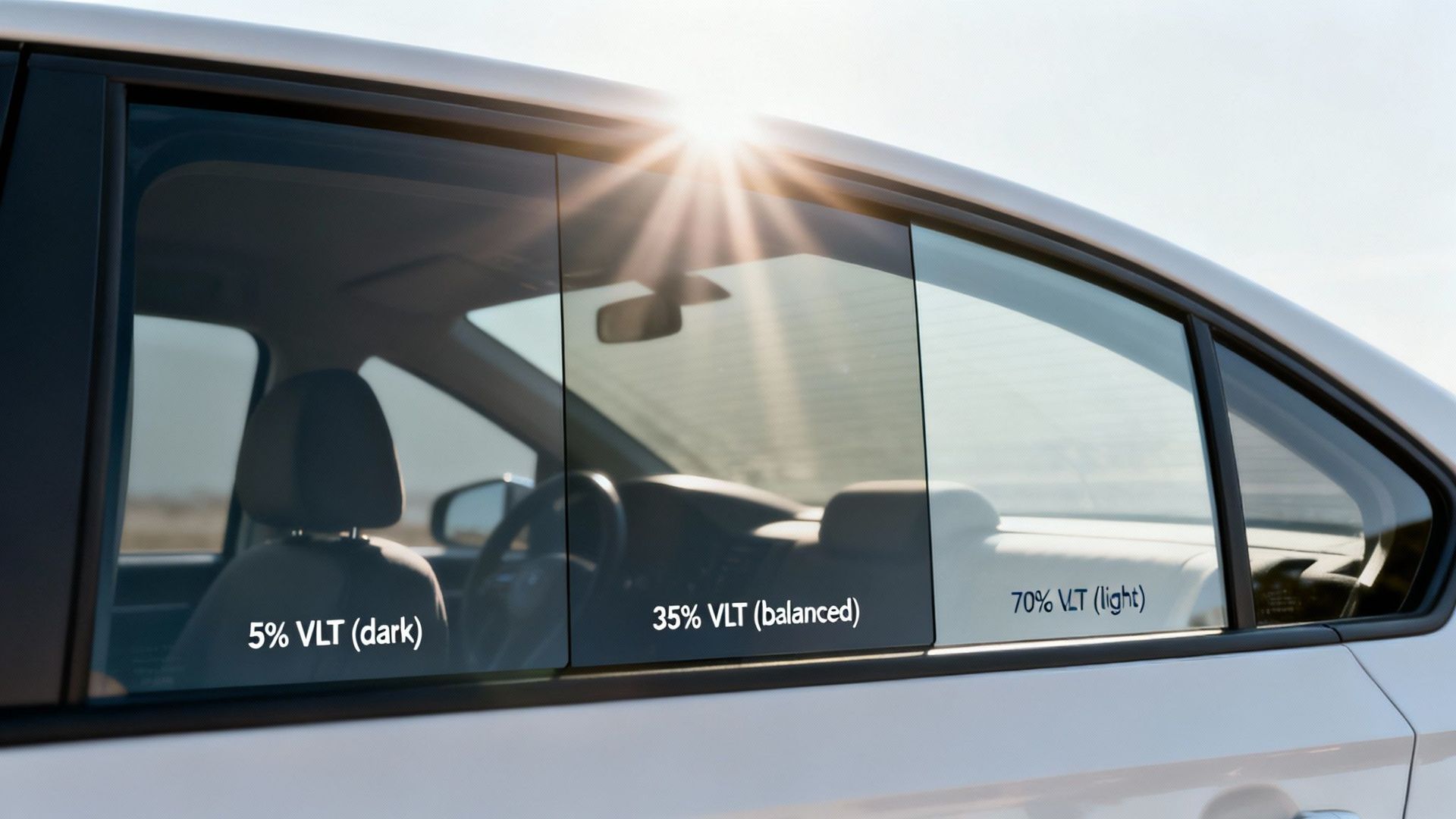
Every state has different visible light transmission (VLT) laws regulating how dark your tint can be. Staying compliant is essential—non-compliance can result in fines or mandatory tint removal. Some premium tints are engineered to deliver high heat rejection with a legal, lighter shade. Always factor in:
- Legal VLT requirements for each window (front, rear, windshield)
- Medical exemptions or specialty film needs
- Certification/stamping requirements (some states require proof of compliance)
Opting for compliant, professionally-installed tint may cost more up front, but saves you the hassle and added expense of potential rework or legal penalties.
Should You DIY or Hire a Professional in 2025?
- DIY kits: $50–$150 plus your time—often suited for flat windows. Results may include bubbling, peeling, or legal compliance issues.
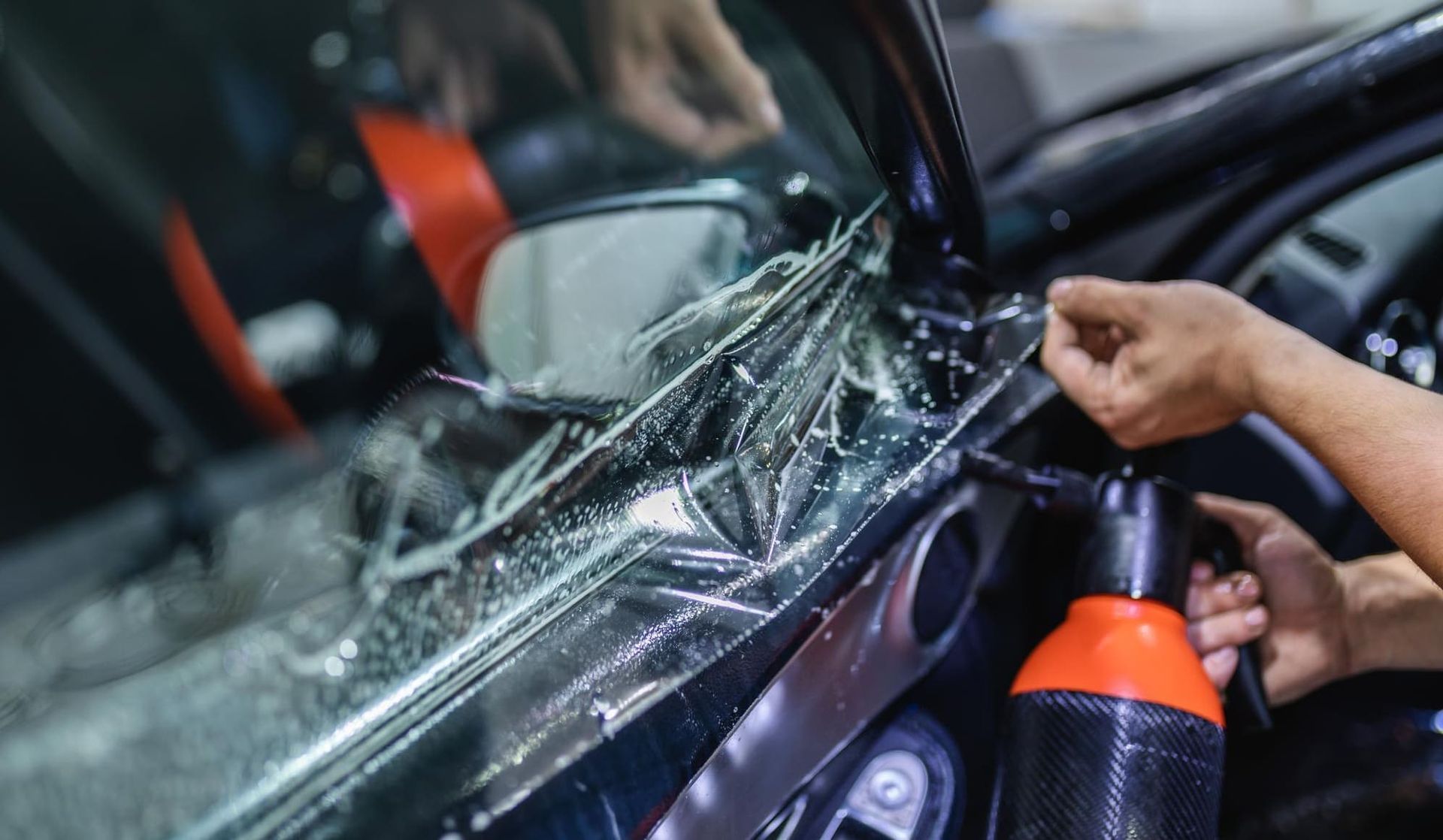
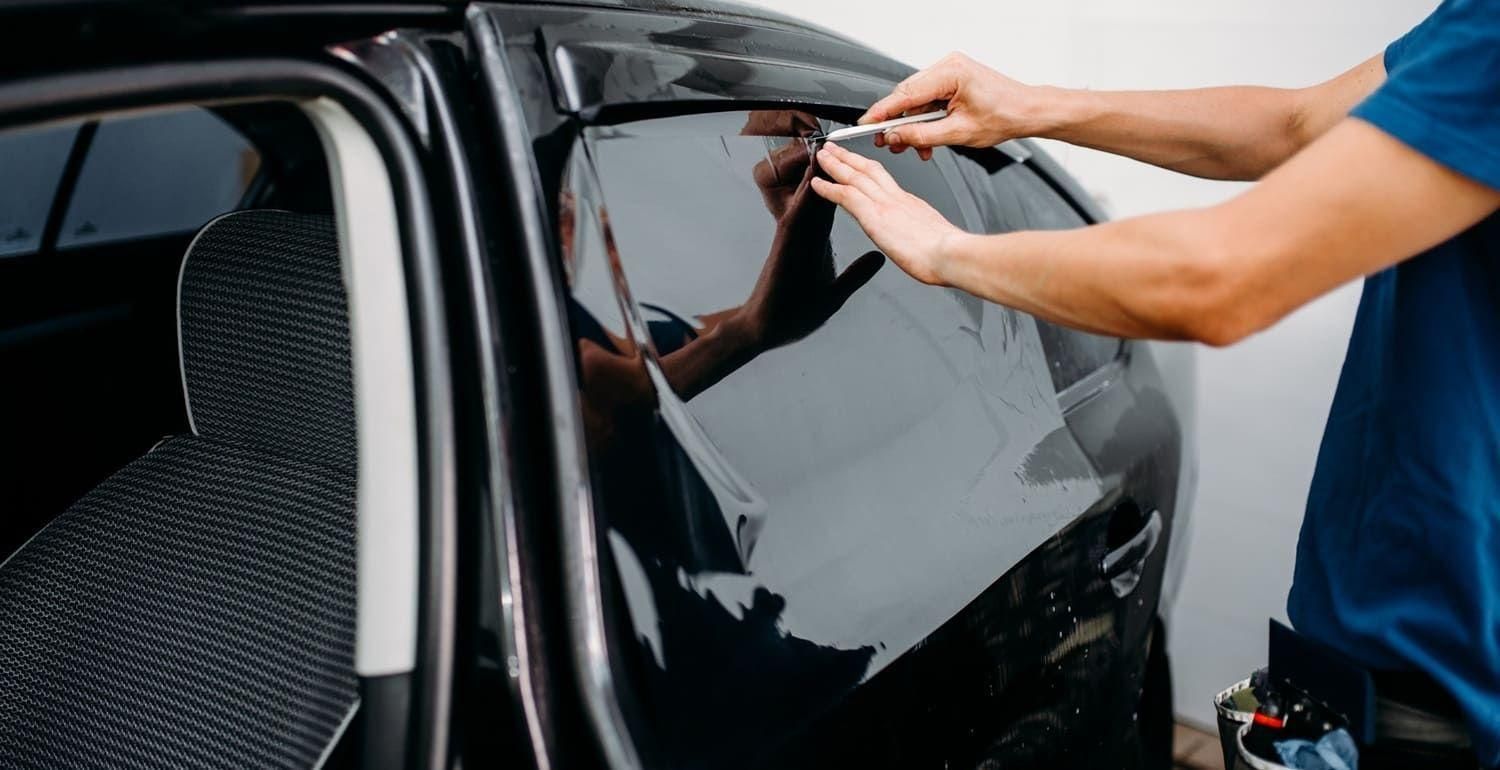
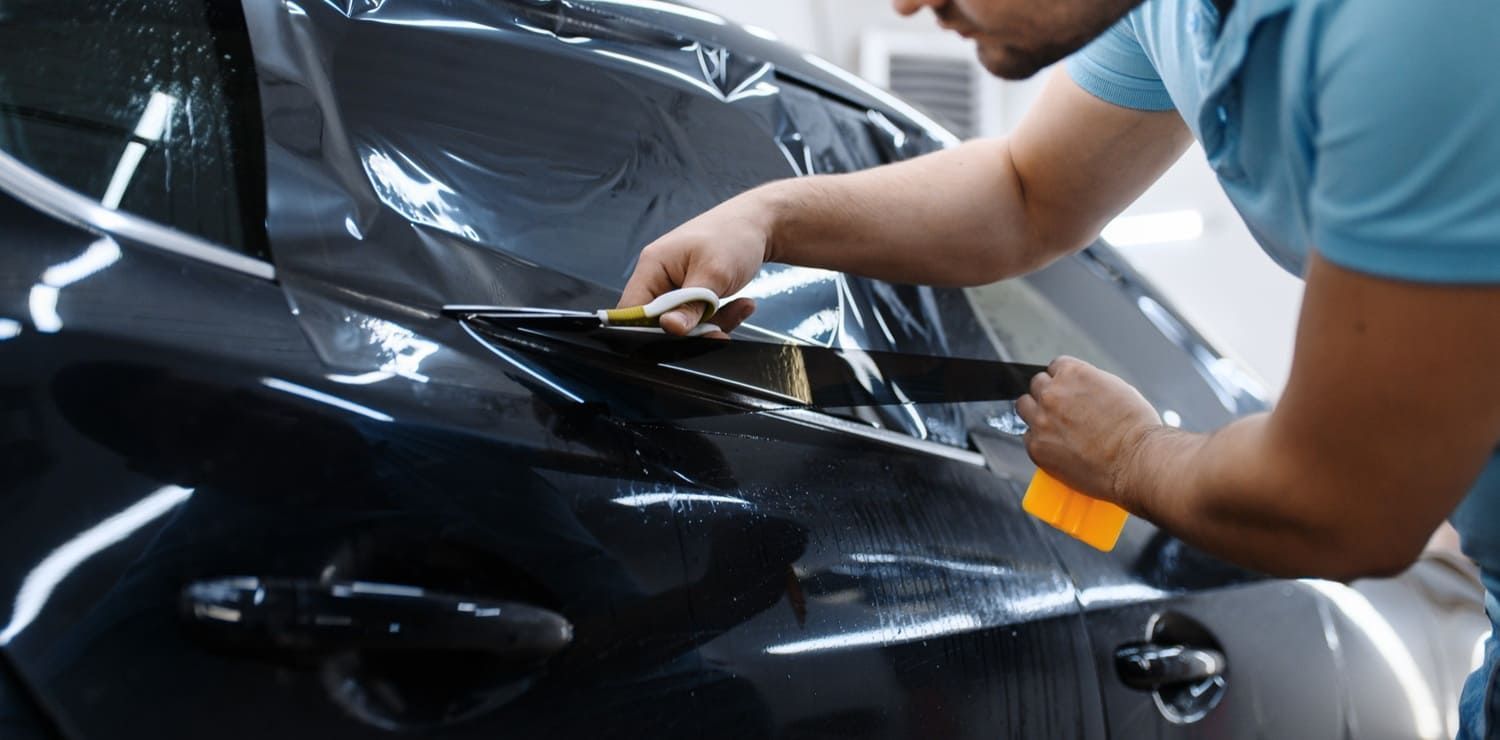
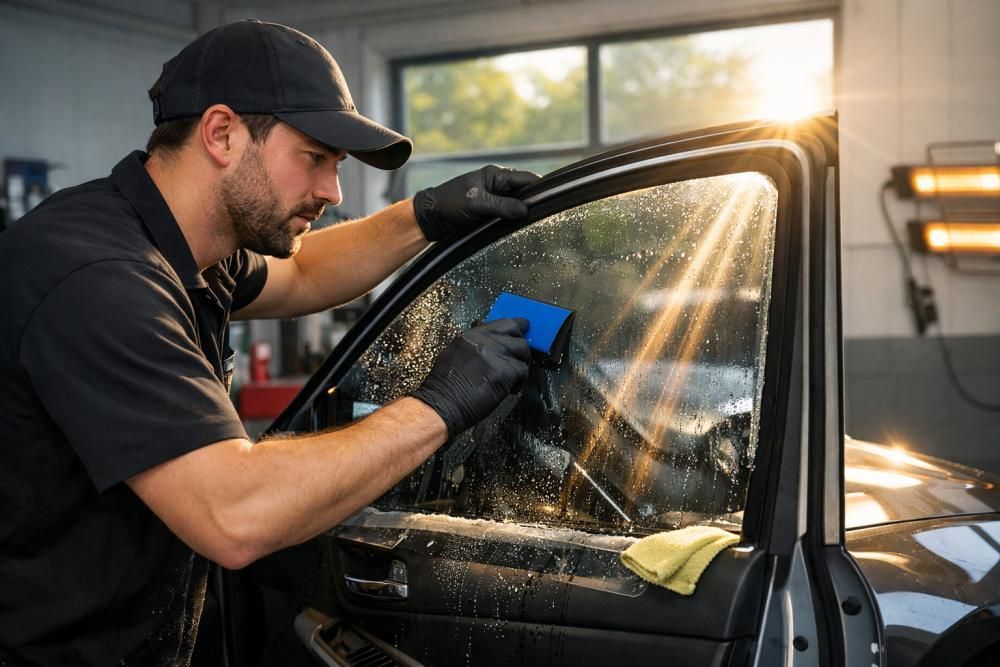
- Professional installers: $200–$1,200+, depending on film type and vehicle. Certified pros provide seamless cuts, warranties, installation expertise, and compliance.
For most car owners—especially those with newer models or complex curved windows—professional installation is the best way to maximize value, performance, and longevity.
FAQs: Car Window Tinting Cost, Choices, and Value in 2025
What’s the average cost to tint all car windows?
Usually $250–$750, depending on vehicle and film type.
Is ceramic tint worth the higher price?
Yes, for longevity, signal clarity, and superior heat rejection; expect to pay 30–50% more than basic options.
Which tint lasts the longest?
Ceramic and carbon tints last the longest (often 10+ years) versus dyed or basic metalized films.
Are warranties standard on car window tint?
Good shops offer warranties (3–7 years or lifetime), mainly on premium films and professional installs.
How can I maintain my car window tint for best results?
Use a soft cloth and tint-safe cleaner; avoid ammonia-based products and sharp objects to prevent scratches or peeling.
Does tint cost more for larger or luxury vehicles?
Yes—it takes more material and complex installation, especially on SUVs, vans, and modern luxury cars.
Can window tint be removed or replaced later?
Yes, but removal adds $50–$150+ per window; new installation will be a separate charge.
Is professional installation always better than DIY?
Generally yes, unless you have extensive experience. DIY mistakes lowering value and risking legal issues are common.
How do legal tint limits affect my price or choice?
Some high-performing films allow you to meet legal limits with a lighter shade, but may cost more. Always check state laws.
Should I get a quote before committing to tint?
Absolutely—quotes help you compare value, warranty, and reputation so you invest wisely.
Conclusion: Invest in Comfort, Safety, and Lasting Value in 2025
Car window tinting remains an unbeatable upgrade for drivers seeking year-round protection, comfort, and enhanced vehicle value. While costs vary based on vehicle type, film quality, and location, choosing a high-quality, professional tint is the smartest way to ensure lasting benefits. For expert installation, premium films, and unbeatable service, contact Tints & Beyond, proudly serving customers across Cape Coral, FL.
Call us today at (239) 800-5233 or www.tintsandbeyond.com to request your free estimate or schedule a consultation with our certified tint specialists. Enjoy better drives, greater comfort, and lasting value with professional tinting you can trust—all backed by the quality and care of Tints & Beyond.