Stay Cooler and Safer on Cape Coral Roads
Choosing the right window tint shade matters a lot when you drive in
Cape Coral. The sun is bright for most of the year, and by late winter and early spring, the glare starts to pick up again. If you spend time on the bridges, in school lines, or stuck in seasonal traffic, you feel that heat building inside your car.
The right tint shade helps cut that heat, protect your skin and eyes from UV rays, and make every drive more comfortable. It also helps keep your dashboard, seats, and steering wheel from fading and cracking as quickly. When your windows are tinted correctly, you can see better, stay cooler, and feel less worn out after a long day of driving.
We work with local drivers every day, so we understand Florida’s sun, Florida’s laws, and Florida’s roads. Below, we will walk through how to choose window tint shades that fit Cape Coral driving, without guessing or stressing about what is legal.
How Florida Tint Laws Shape Your Shade Choices
Before you think about style, you need to know what is legal. Florida uses a number called visible light transmission, or VLT, to set tint rules. VLT is how much light the film lets through. Higher VLT means a lighter tint, lower VLT means a darker tint.
In simple terms, Florida rules usually work like this for most vehicles:
- Front side windows must stay fairly light so law enforcement can see inside
- Rear side windows can be darker
- The rear windshield can be darker too
- You can have a tinted strip at the top of the front windshield, but the full windshield cannot be tinted like the other glass
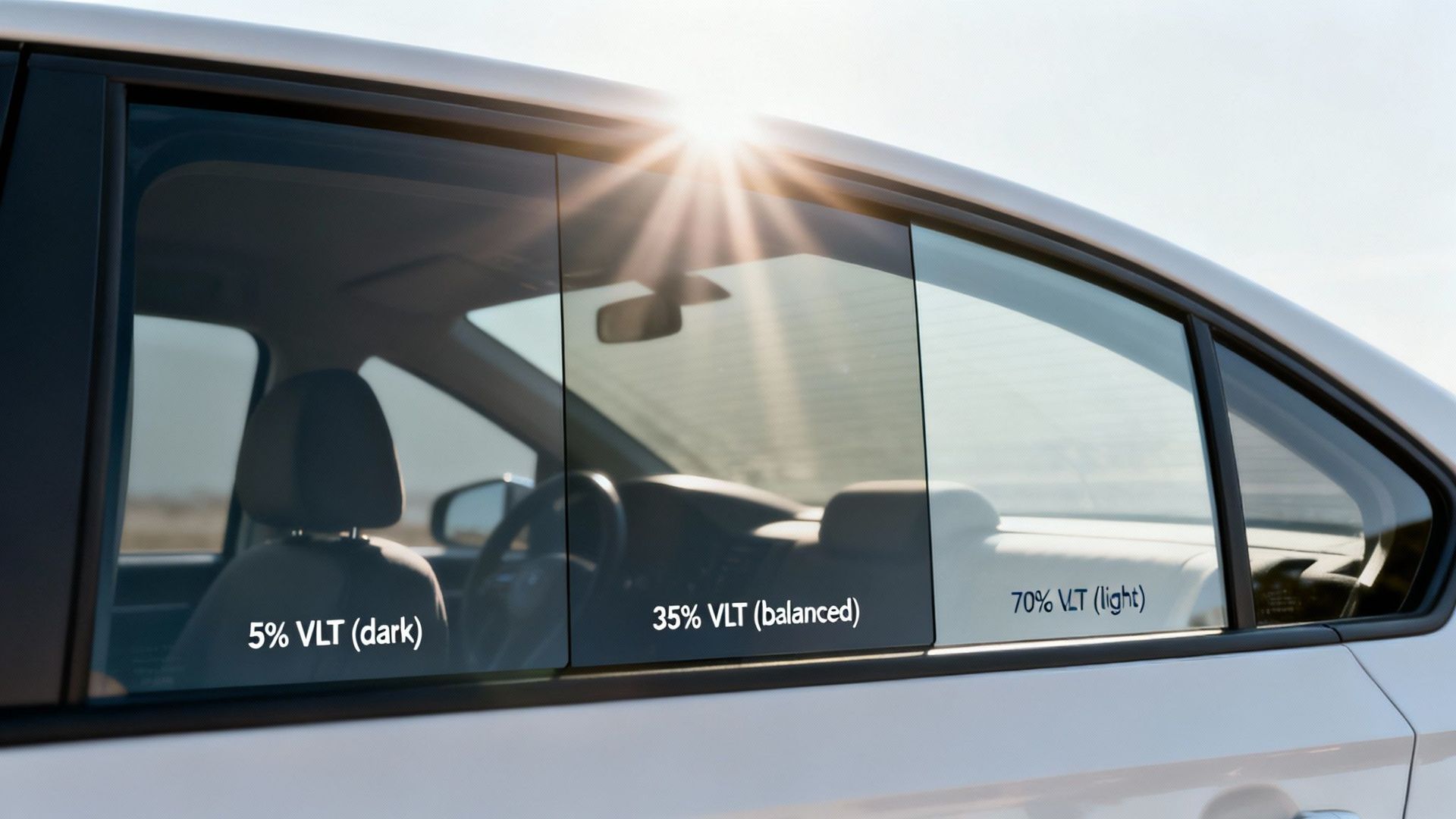
VLT numbers can feel backwards at first. A 35 percent tint is lighter than a 20 percent tint. A few common shades look something like this in real life:
- Around 50 percent: soft tint, looks close to factory glass but cuts some glare
- Around 35 percent: medium shade, clearly tinted but still easy to see in and out
- Around 20 percent: darker, good privacy from outside during the day
- Around 15 percent: very dark, strong privacy, often used on rear windows
Going too dark can cause problems, such as:
- Tickets or being asked to remove the film
- Inspection or safety issues
- Strain on your eyes at night or in heavy rain
A professional tint shop that works with Florida vehicles every day will measure the glass, match the film to state rules, and help you stay on the safe side of the law while still getting the look and performance you want.
Balancing Heat Rejection, Privacy, and Visibility
When you think about window tint, you are usually trying to balance three main goals:
- Blocking heat
- Adding privacy
- Keeping clear visibility
Many people think darker always means cooler, but film technology has changed. Some lighter ceramic films can reject a lot of heat, even if they do not look super dark. That can be a big help for:
- Older drivers who do not want very dark glass
- Families who drive a lot after sunset
- Anyone who needs strong night vision for work
Privacy can be nice on busy roads or when you park at crowded shopping centers. Darker rear windows help passengers feel hidden and relaxed. At the same time, if the front windows are too dark, it can be hard to see bikes, pedestrians, or wildlife at dawn and dusk.
Different drivers in Cape Coral often want different things:
- Daily commuters crossing the Cape Coral Bridge at sunrise may want a medium shade that cuts glare but keeps a bright view
- Rideshare and delivery drivers may prefer lighter fronts for clear night vision and slightly darker rears for passenger privacy
- Parents doing school pickups may like darker rear windows to keep kids cooler in the back seats
- Weekend boaters hauling trailers might choose a balanced setup that helps them see mirrors and ramps clearly, even with bright reflections off the water
The key is thinking about when you drive, who rides with you, and how much night driving you do, not just what looks darkest.
Comparing Popular Tint Shades for Cape Coral Drivers
Most drivers end up choosing between a few common VLT ranges. Here is how they usually feel in our bright coastal sun:
- Around 50 percent: Very natural look. Good for drivers who want comfort and UV protection but are nervous about darker glass.
- Around 35 percent: A popular “sweet spot.” Noticeably tinted, cuts a good amount of glare, and still keeps driving simple day and night.
- Around 20 percent: Strong privacy in back seats during the day, lowers bright light a lot, can start to feel dark at night for some drivers.
- Around 15 percent: Deep, privacy-heavy look, often best left to rear windows only because it can feel very dark up front.
For different vehicles, many people like these kinds of combinations:
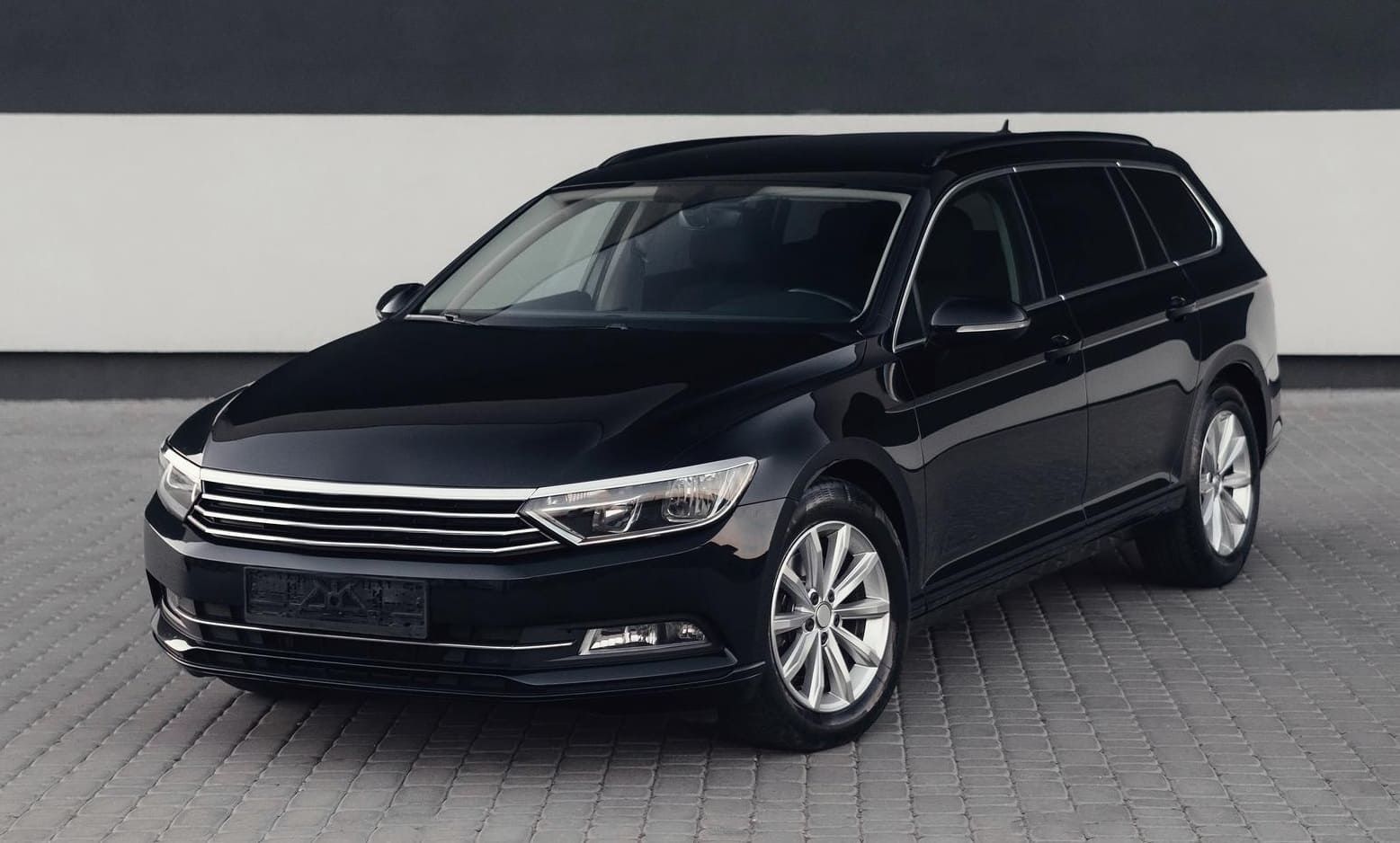
- Sedans: Lighter fronts, like around 35 percent, and slightly darker rears for comfort and style
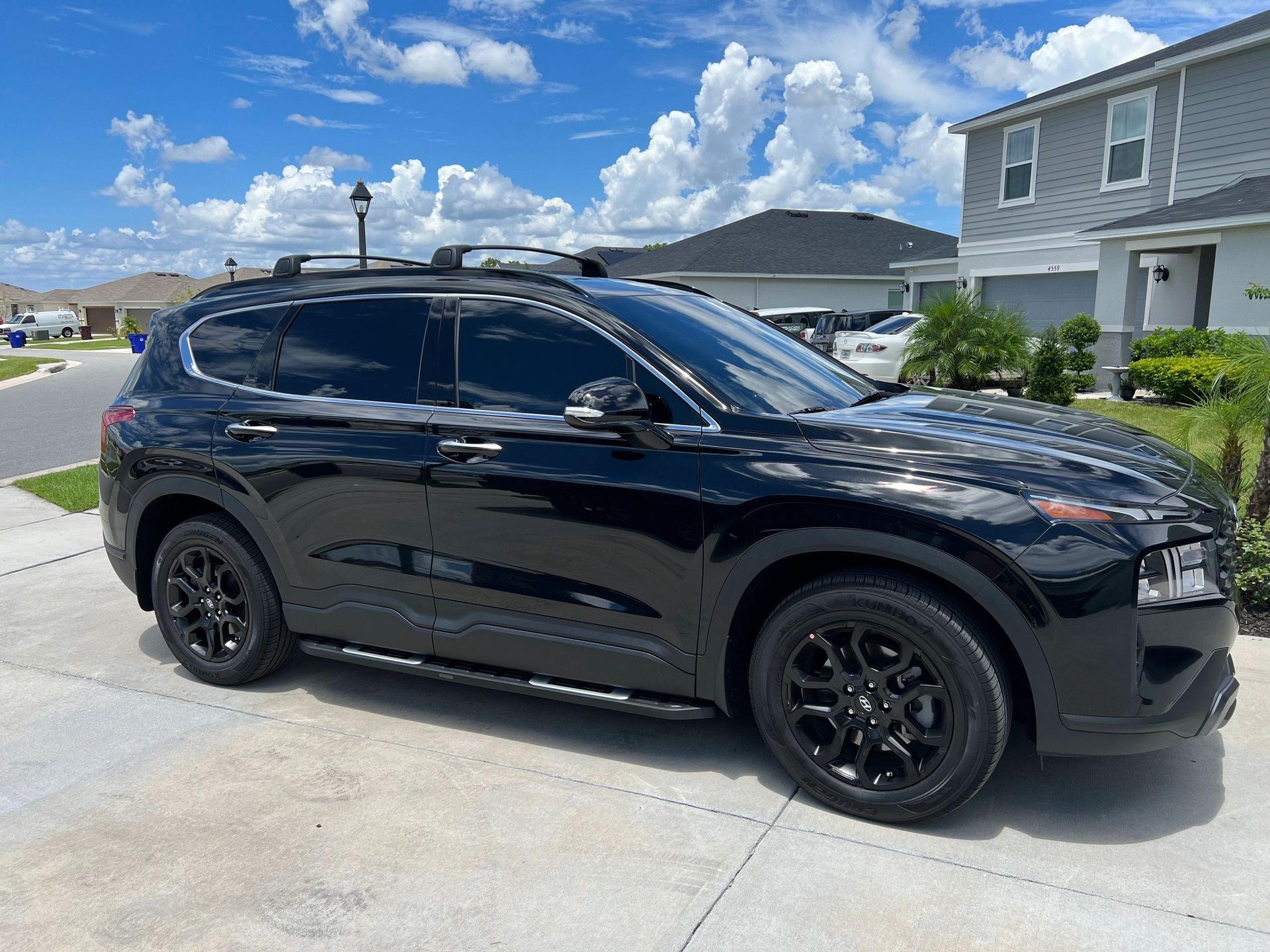
- SUVs: Medium fronts, darker rear doors and cargo glass to keep gear and passengers shaded
- Trucks: Balanced fronts for clear mirror use, slightly darker rears for tools, pets, or family members
- Family vans: Lighter driver areas and darker passenger areas to keep kids and car seats cooler
Cape Coral’s bright skies and reflections from canals, rivers, and the Gulf can make untinted glass feel harsh. During late winter and spring, when seasonal traffic picks up and the sun sits high for longer hours, a thoughtful mix of front and rear shades can lower stress on your eyes and AC while still matching Florida’s legal rules.
Why Film Quality Matters More Than Shade Alone
Shade is only part of the story. The type of film you choose matters just as much. Lower-cost dyed films mostly change the look of the glass and help a little with glare, but they can fade or turn purple over time in strong Florida sunlight.
Higher-performance films, like carbon and ceramic options, are designed to stay cooler and clearer, even when they are not very dark. With quality film and proper installation, you get:
- Better heat rejection for a given shade
- Strong UV protection for your skin and interior
- Less fading on seats, carpets, and dash materials
- More stable color that holds up to the sun and salt air
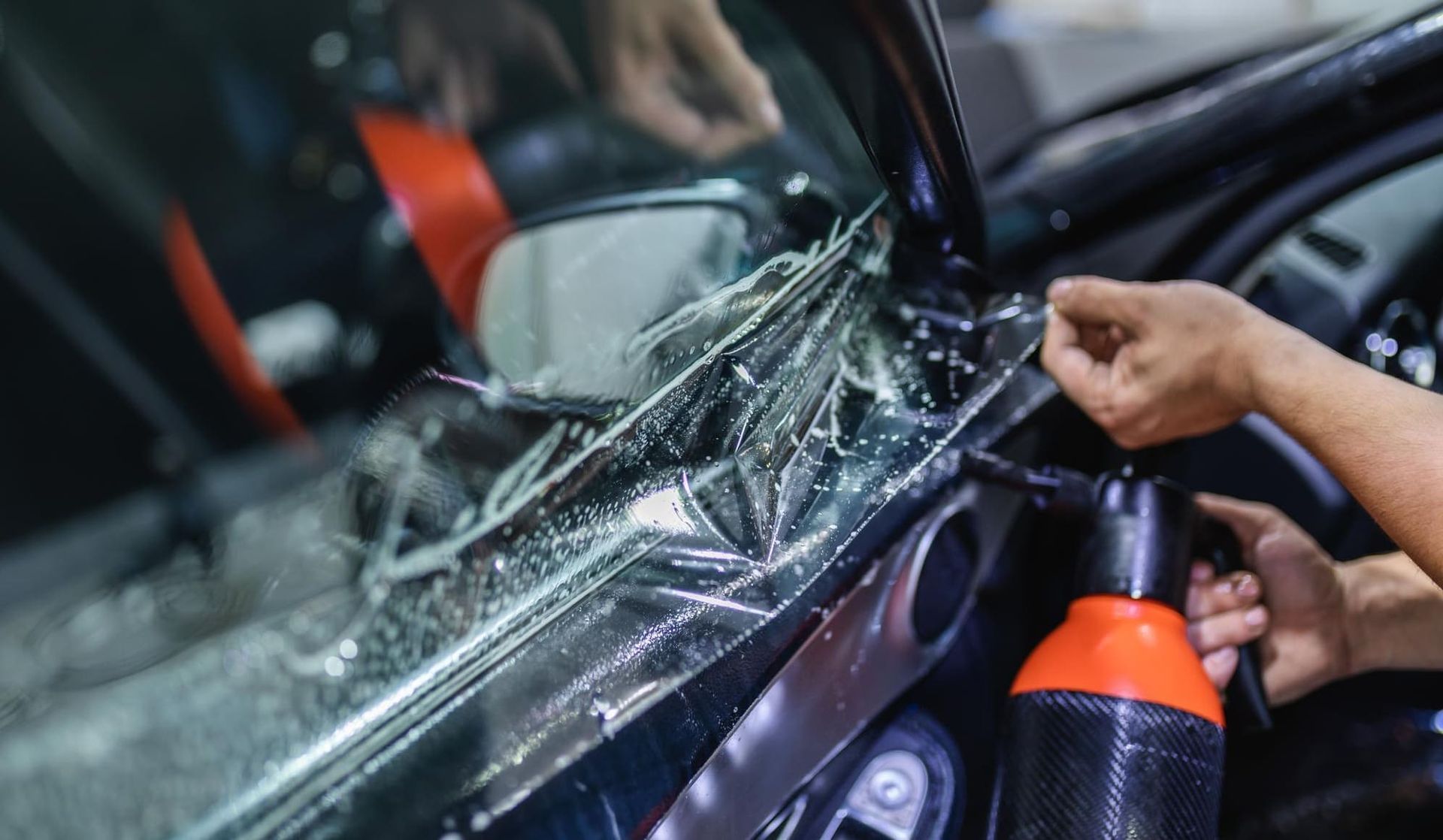
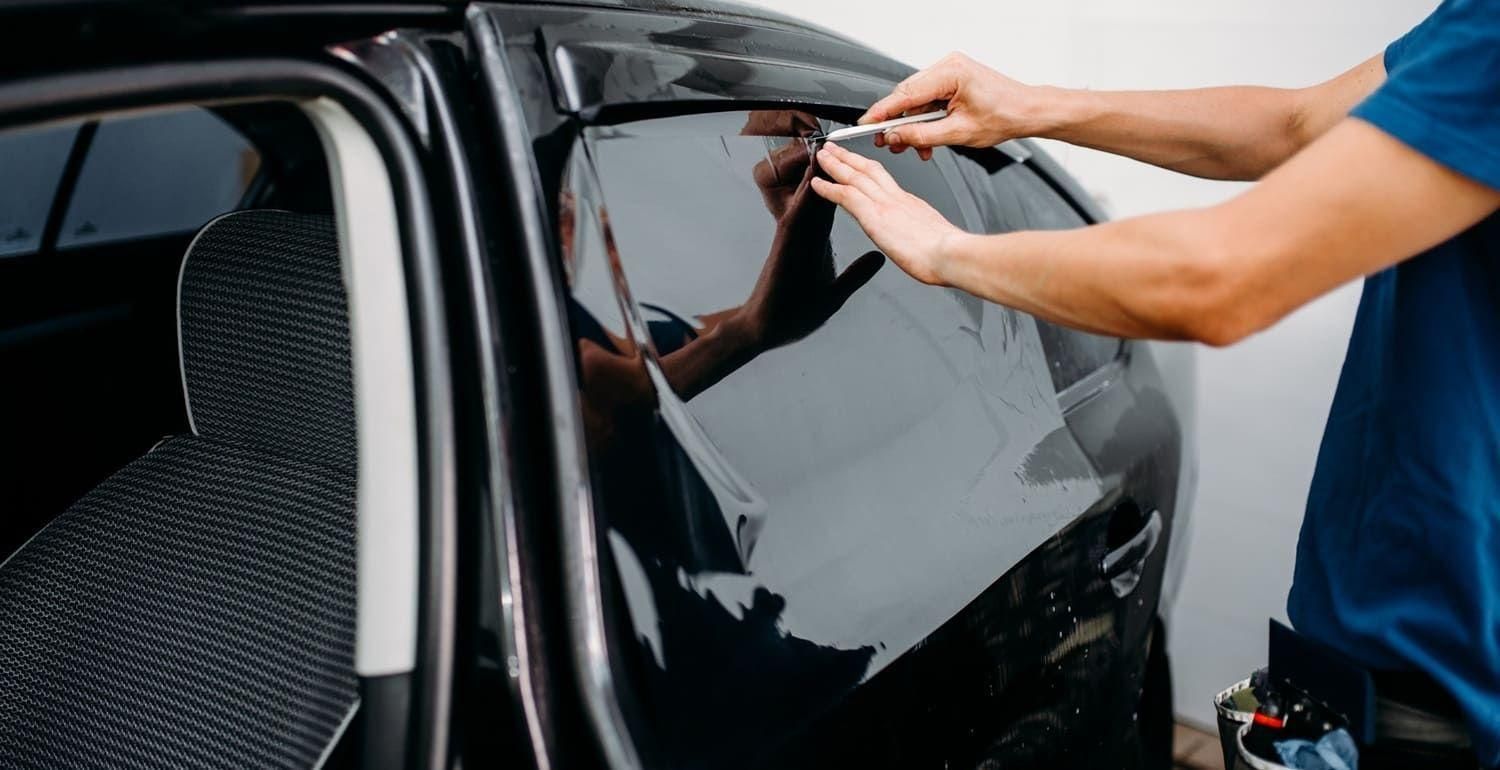
Professional installation is just as important as the film itself. Clean edges, no bubbles, and proper curing help your tint last longer and look better. Experienced installers can talk through your driving habits, explain how different films feel in real vehicles, and suggest a shade that fits your needs instead of guessing from charts online.
Smart Shade Picks for Cape Coral’s Spring and Summer
Late February is a great time to tint before the longest, brightest days hit and spring-break traffic clogs the bridges and causeways. Getting your windows done now means your film has time to cure before humidity climbs, and your car will be ready for the hotter months ahead.
Here are some smart shade ideas for local drivers:
- Parked outside all day: Consider a performance film in a medium shade to keep the cabin and steering wheel cooler when you get back in.
- Coastal commuters: Medium fronts with slightly darker rears help fight glare off the water without killing your view.
- Road trip planners: A balanced setup with quality film helps reduce eye strain and AC load on long highway drives north.
With the right combination of shade and film type, your car can stay cooler, your AC can work a little less, and your interior can hold up better to the sun as we move from late winter into the longer, brighter days ahead.
Get Started With Your Project Today
If you are ready to make your home more comfortable, energy-efficient, and private, we are here to help tailor a solution that fits your space and budget. Explore our
window tinting in Cape Coral options and see how
Tints and Beyond can improve your everyday living. Have questions or want a personalized recommendation? Simply
contact us and we will walk you through the next steps.