Does Window Tint Reduce Glare for Night Driving in Florida?

Tints & Beyond Blogger • November 18, 2026

Window tint can reduce the intensity of some bright lights, but it doesn't necessarily improve nighttime driving visibility. While automotive window film can soften certain reflections and headlight glare, it also reduces the amount of light entering your vehicle. Choosing a tint that's too dark can make it harder to see pedestrians, cyclists, road markings, and other hazards after sunset.

For drivers in Cape Coral, Fort Myers, and surrounding Southwest Florida communities, nighttime visibility is an important consideration. Bright LED headlights, poorly illuminated roads, wet pavement, and sudden tropical rainstorms can make driving after dark particularly challenging.

At Tints & Beyond, we help Florida drivers choose professional automotive window films that balance heat rejection, daytime glare control, privacy, and visibility. Our selection includes premium ceramic window films and LLumar products designed to improve driving comfort without requiring excessively dark glass.

If you're considering window tint to make nighttime driving more comfortable, here's what you should know about glare reduction, tint percentages, and choosing the right film.

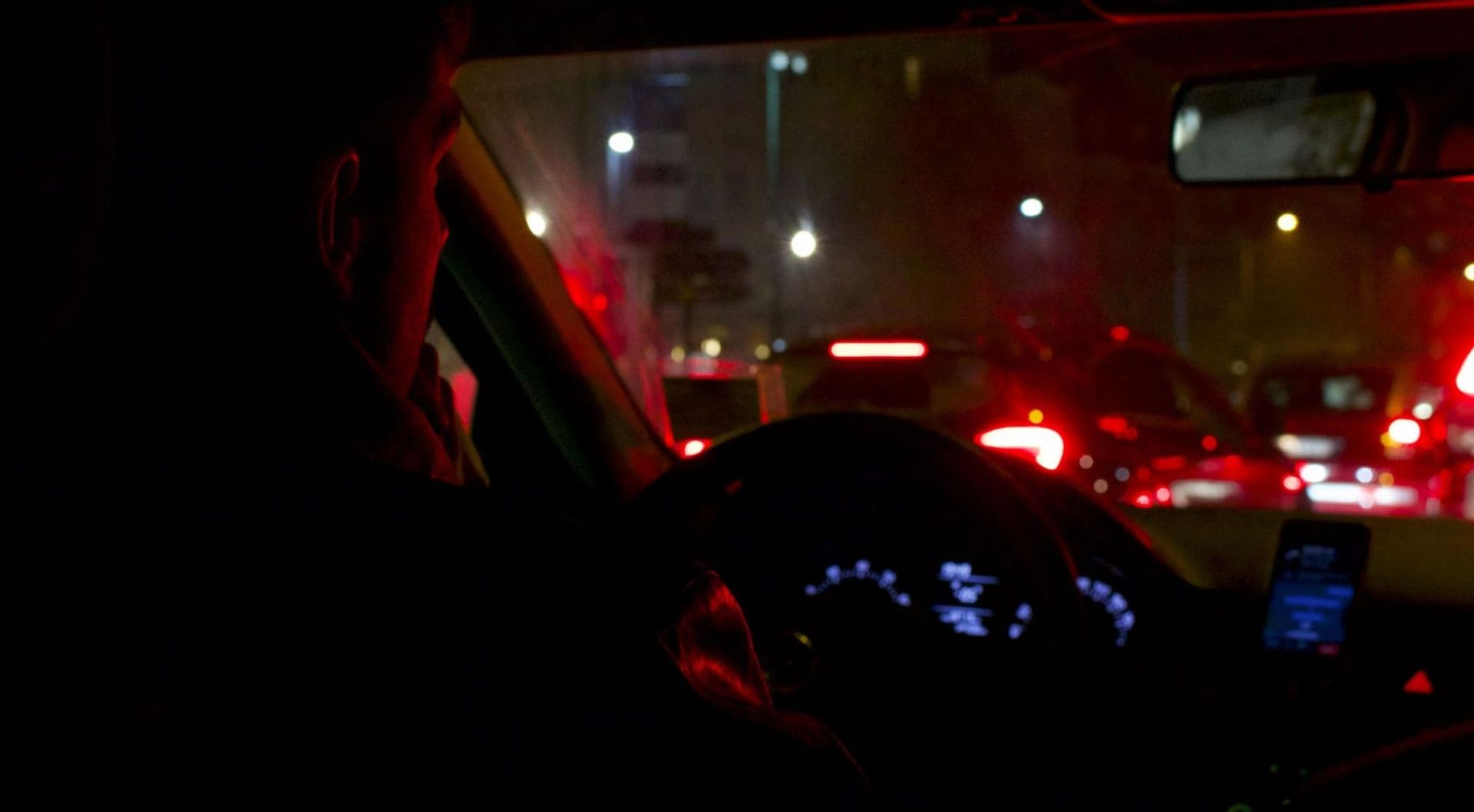
Car window tint at night

Does Car Window Tint Actually Help With Nighttime Glare?

Window tint reduces the amount of visible light passing through treated glass. This can make some bright light sources appear less intense.

However, nighttime glare is more complicated than simply having too much light inside the vehicle.

When you're driving after sunset, your eyes need enough light to identify objects, recognize movement, and judge distances.

Darker window film reduces both unwanted light and the useful light you need to see the road.

Can Tint Reduce Glare From LED Headlights?

Some window films may make incoming headlights appear less bright, particularly when viewed through tinted side or rear windows.

However, this doesn't mean the film improves your ability to see.

Bright LED headlights can cause discomfort because of their intensity, positioning, and contrast with the dark surrounding environment.

Window tint cannot correct improperly aimed headlights or eliminate the visual effects of intense oncoming light.

For many drivers, maintaining high light transmission is more important than trying to darken every bright source.

Why Nighttime Glare Feels Worse on Florida Roads

Several conditions can make nighttime driving uncomfortable in Southwest Florida.

Rainwater creates reflective surfaces, while headlights and streetlights can produce distracting reflections on wet pavement.

Some residential roads have limited street lighting, making the contrast between darkness and oncoming headlights more pronounced.

Drivers traveling along Cape Coral Parkway, Del Prado Boulevard, Pine Island Road, or nearby routes may experience different lighting conditions throughout a single trip.

The goal should be to preserve clear visibility while reducing unnecessary daytime glare and solar heat.

What Tint Percentage Is Best for Night Driving?

For drivers who frequently travel after dark, lighter legal window tint is generally preferable to very dark film.

The ideal shade depends on the vehicle's existing glass, window location, driving habits, and applicable Florida regulations.

Comparing Tint Percentages for Nighttime Visibility

Tint percentage (VLT) Appearance Nighttime visibility considerations
70% Nearly clear Preserves most visible light
50% Light Relatively good visibility
35% Medium Noticeably reduces light
28.% Moderately dark Reduced visibility in dim areas
20% Dark Greater difficulty seeing in low light
5% Extremely dark Substantial visibility reduction

VLT stands for Visible Light Transmission. A higher percentage means more visible light passes through the tested film or glass.

A 70% film is significantly lighter than a 20% film.

Is 35% Tint Good for Night Driving?

A 35% VLT result may be comfortable for some drivers in well-lit conditions, but it reduces available light substantially compared with clear glass.

It can make pedestrians, curbs, and obstacles harder to identify on darker streets.

Drivers who frequently travel through poorly illuminated neighborhoods may prefer a lighter option.

Is 20% Tint Too Dark for Night Driving?

A 20% VLT result can noticeably limit outward visibility at night.

Although some drivers prefer this shade for daytime privacy, it may make reversing, parking, and checking side mirrors more difficult.

It also falls below Florida's ordinary legal minimum for front side windows.

For drivers prioritizing nighttime visibility, extremely dark tint is generally not recommended.

Is Ceramic Window Tint Better for Night Driving?

Premium ceramic window tint is an excellent choice for drivers who want strong daytime heat rejection while maintaining a relatively light shade.

However, ceramic technology doesn't eliminate the visibility limitations associated with darkness.

A 20% ceramic film still transmits substantially less visible light than a 50% ceramic film.

Why Ceramic Tint Is Popular in Florida

Ceramic window films use advanced non-metallic materials to manage solar energy.

High-performance products can reduce infrared heat and block ultraviolet radiation while maintaining good optical clarity.

This is particularly useful in Cape Coral, where drivers need protection from strong sunlight but may also spend considerable time on the road after sunset.

LLumar IRX Nano-Ceramic Window Tint

Tints & Beyond offers LLumar IRX, a premium nano-ceramic window film designed for substantial heat rejection and UV protection.

Its non-metallic construction is also designed to avoid interference with GPS, cellular connectivity, and other electronic signals.

For drivers who want strong heat protection without choosing an excessively dark shade, IRX is an option worth considering.

The specific shade should be selected based on visibility needs, existing glass, and Florida law.

LLumar AIR Series for a Nearly Clear Appearance

LLumar AIR is designed to provide solar protection while maintaining a nearly clear appearance.

It can be useful for drivers who want heat rejection without substantially darkening the glass.

However, nearly clear films provide limited visible glare reduction compared with darker shades.

Windshield applications also require particular attention to legal restrictions, existing glass transmission, and vehicle safety equipment.

Ceramic vs. Carbon vs. Dyed Tint

Film type Heat rejection potential Nighttime clarity Main consideration
Nano-ceramic High to very high Depends on VLT and optical quality Premium heat protection
Ceramic High Depends on VLT and optical quality Balanced comfort
Carbon Moderate to high Depends on VLT and optical quality Value and appearance
Dyed Generally lower Depends on VLT and optical quality Budget-friendly styling

At the same VLT, no film technology should automatically be assumed to improve nighttime visibility. Optical quality, installation, and the existing glass also matter.

Tints & Beyond offers professional guidance on selecting film types for Florida's driving conditions.

tintsandbeyond.com+1

Can Window Tint Make Night Driving More Dangerous?

Yes. Window tint that's too dark, damaged, or poorly installed can make nighttime driving more difficult.

The greatest concern is reduced visibility in low-light environments.

Reduced Visibility on Dark Roads

When driving through neighborhoods with limited street lighting, your eyes depend on relatively small amounts of available light.

Dark tint reduces that light, potentially making it harder to identify pedestrians, animals, bicycles, or vehicles approaching from the side.

Difficulty Seeing Through Side Windows

Drivers rely on side windows when checking intersections, changing lanes, and parking.

Dark front-window tint can make it more difficult to recognize objects outside the vehicle, especially during rain or in poorly illuminated parking lots.

Haze, Scratches, and Installation Defects

Film quality also affects visibility.

Bubbles, scratches, adhesive problems, and persistent haze can scatter light or distort the view through the glass.

Professional installation helps minimize these issues.

At Tints & Beyond, we emphasize careful glass preparation, precision installation, and quality automotive films to achieve a clean, consistent finish.

Tints and Beyond+1

What Are Florida's Window Tint Laws in 2026?

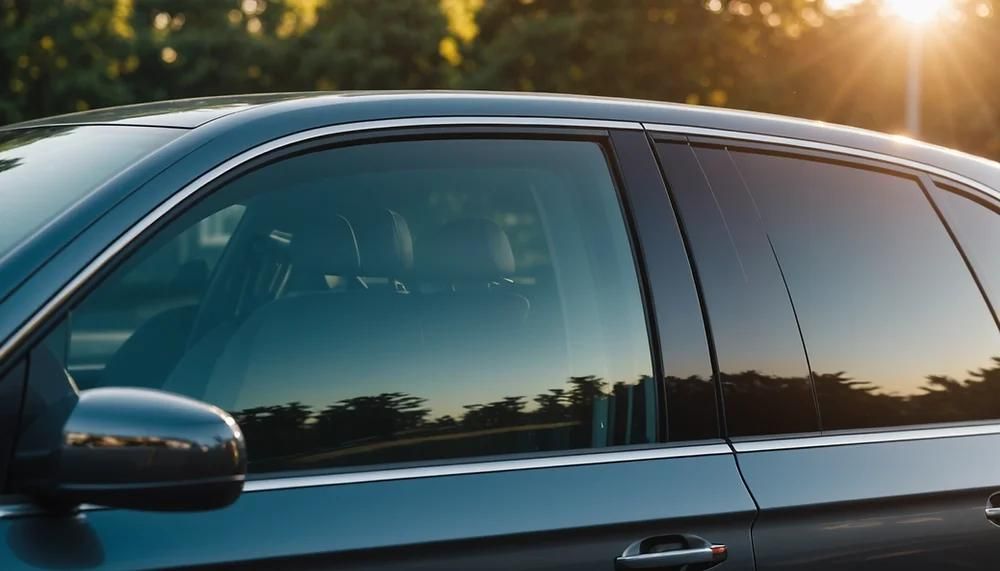
Night driving with tinted windows

Florida regulates automotive window tint based on visible light transmission, reflectivity, and window location.

These regulations are especially important for drivers who want darker glass but frequently drive at night.

Florida Legal Tint Percentages

Window location Sedans SUVs and vans
Front windshield Nonreflective tint above the AS-1 line Same
Front side windows At least 28% VLT At least 28% VLT
Rear side windows At least 15% VLT At least 6% VLT
Rear windshield At least 15% VLT At least 6% VLT

Florida also limits visible reflectivity to 25% for front side windows and 35% for applicable rear windows. Statutory measurement tolerances and exemptions may apply.

The Florida Senate+1

Does Florida Allow Windshield Tint?

Florida generally permits nonreflective sunscreening material in the upper windshield area above the manufacturer's AS-1 line, subject to statutory requirements.

Full-windshield aftermarket tinting is more restricted and should not be assumed legal simply because the film appears nearly clear.

Drivers considering windshield film should verify the applicable law and have the existing glass evaluated before installation.

Why Legal Tint Doesn't Always Mean Ideal Nighttime Visibility

A tint percentage may satisfy Florida's legal requirements while still making nighttime driving uncomfortable for a particular driver.

For example, a dark rear-window film may be legal on a qualifying SUV but reduce visibility when reversing in an unlit driveway.

Legal compliance is the starting point. Your actual driving conditions should also influence the final shade.

What Else Can Reduce Headlight Glare at Night?

If bright headlights are your main concern, window tint may not be the most effective first solution.

Several maintenance and driving adjustments can improve nighttime comfort without reducing the amount of light available to your eyes.

Keep Your Windshield Clean

Dirt, fingerprints, road film, and oily residue can scatter incoming light.

This scattering can make headlights appear surrounded by halos or streaks.

Clean both sides of your windshield regularly using an automotive glass cleaner and a clean microfiber cloth.

Restore Cloudy Headlights

Yellowed or oxidized headlight lenses can reduce your own vehicle's light output and create uneven illumination.

Tints & Beyond offers professional headlight restoration to remove haze and oxidation, helping restore lens clarity.

Better illumination from your vehicle can make road markings and obstacles easier to identify after dark.

Tints and Beyond

Check Your Mirrors and Driving Position

Adjust side mirrors to minimize reflected headlights from vehicles behind you.

Use your rearview mirror's nighttime setting when available.

Avoid looking directly at bright oncoming headlights. Instead, maintain attention on your lane and appropriate road reference points.

Consider an Eye Examination

Persistent halos, starbursts, or unusually strong discomfort from headlights may be related to vision changes rather than vehicle glass.

An eye-care professional can evaluate potential causes.

How to Choose the Right Window Tint for Florida Day and Night Driving

Choosing automotive tint should involve more than selecting a shade based on appearance.

At Tints & Beyond, we recommend considering how you use your vehicle throughout the day and after sunset.

Step 1: Evaluate Your Driving Habits

Think about how often you drive after dark.

Drivers who regularly travel through unlit neighborhoods, rural roads, or heavy rain may benefit from maintaining lighter front side windows.

Step 2: Prioritize Heat Rejection Over Darkness

Florida's strong sunshine makes solar heat protection an important consideration.

High-performance ceramic films can provide substantial heat rejection at relatively light shades.

This allows drivers to improve daytime comfort without choosing the darkest available film.

Step 3: Compare Film Samples

Review different film shades and their manufacturer specifications.

Ask about visible light transmission, total solar energy rejection, UV protection, and optical clarity.

Remember that showroom lighting doesn't perfectly represent real nighttime driving conditions.

Step 4: Measure Your Existing Glass

Factory glass already reduces some visible light.

Adding film changes the combined VLT, so the final measurement may be darker than the film's advertised percentage.

Professional measurement helps identify suitable options.

Step 5: Choose Quality Installation

Proper installation helps prevent bubbles, debris, uneven edges, and persistent distortion.

At Tints & Beyond, our automotive tinting services focus on precise application, premium materials, and helping customers choose film options appropriate for their vehicles.

Frequently Asked Questions About Window Tint and Night Driving

  • Does window tint reduce glare from headlights at night?

    Window tint can make some headlights appear less intense, but it also reduces useful light entering the vehicle. It isn't a guaranteed solution for nighttime glare and may make hazards harder to see.

  • What is the best window tint percentage for night driving?

    Lighter films generally preserve better nighttime visibility. A 50% or higher VLT result may be more comfortable than 20% tint, although the appropriate shade depends on window location, existing glass, and Florida law.

  • Is ceramic tint better than regular tint for nighttime driving?

    Ceramic tint can offer better heat rejection than many basic dyed films at similar darkness levels. However, nighttime visibility still depends primarily on visible light transmission and optical quality.

  • Does 35% tint make it hard to see at night?

    A 35% VLT result reduces the amount of light entering through the glass and may make poorly illuminated areas harder to see. Individual experiences vary, but drivers who frequently travel after dark may prefer lighter shades.

  • Can window tint reduce glare during Florida rainstorms?

    Tint may reduce some bright reflections, but it also decreases available light. During heavy rain or nighttime storms, darker tint can make visibility worse. Clear glass, functioning wipers, and appropriate driving speeds remain essential.

  • Does LLumar ceramic tint block LED headlight glare?

    LLumar ceramic films can reduce visible brightness according to their shade, but they don't selectively eliminate LED headlight glare. Their main advantages include solar heat rejection, UV protection, and optical clarity.

  • Is windshield tint recommended for night driving?

    Dark windshield tint is generally not recommended for nighttime driving because it reduces forward visibility. Nearly clear films preserve more light, but any windshield application must comply with applicable regulations and vehicle safety requirements.

  • Where can I get professional window tinting in Cape Coral?

    Tints & Beyond provides automotive window tinting in Cape Coral, serving Fort Myers, North Fort Myers, Bonita Springs, Lehigh Acres, and surrounding Southwest Florida communities.

Get Professional Window Tinting in Cape Coral, FL

Window tint can make Florida driving more comfortable, but nighttime glare requires a thoughtful approach.

The right film should reduce unwanted daytime brightness, provide effective heat protection, and maintain the visibility you need after sunset.

For drivers who regularly travel at night, lighter ceramic window tint is often a better choice than extremely dark film.

At Tints and Beyond, we specialize in professional automotive window tinting and vehicle protection services.

Our selection includes premium ceramic window films, LLumar IRX nano-ceramic technology, and nearly clear LLumar AIR options for customers seeking heat protection without excessive darkness.

Whether you're commuting through Cape Coral, driving across the bridges into Fort Myers, or navigating Southwest Florida roads after sunset, our team can help you compare film options based on your vehicle, preferences, and driving habits.

Call (239) 800-5233 or visit Tints & Beyond to request your free automotive window tint estimate.

Visit us at 735 NE 19th Pl #20, Cape Coral, FL 33909, United States.

We proudly serve Cape Coral, Fort Myers, North Fort Myers, Bonita Springs, Lehigh Acres, and surrounding Southwest Florida communities.

tintsandbeyond.com+1

Choose window tint that delivers Florida heat protection without unnecessarily compromising your view of the road.

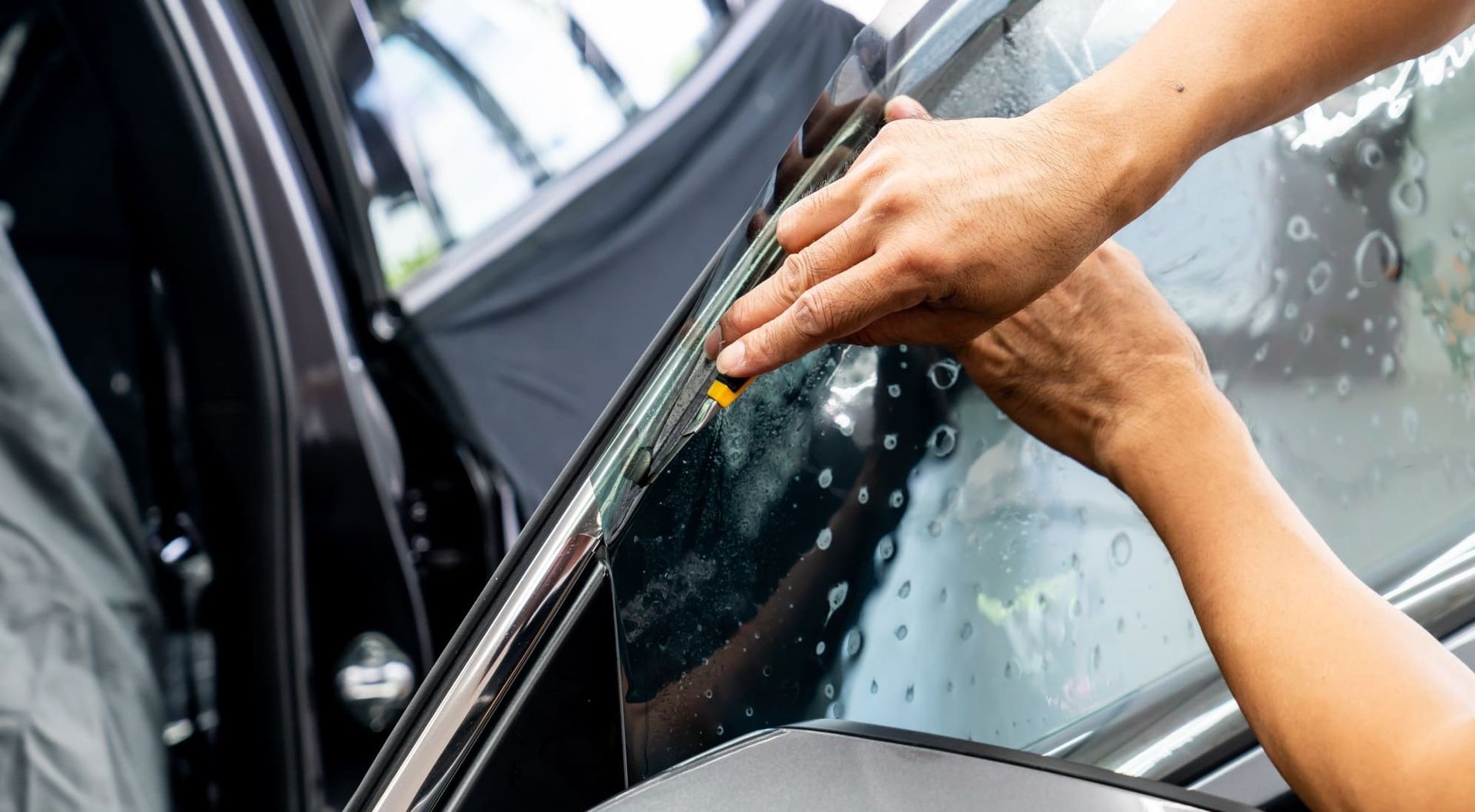
Car window tint installation
By Tints & Beyond Blogger • November 15, 2026
Learn what renters should know about auto window tint in Cape Coral, including legal limits, rental agreements, removability, and practical tips.
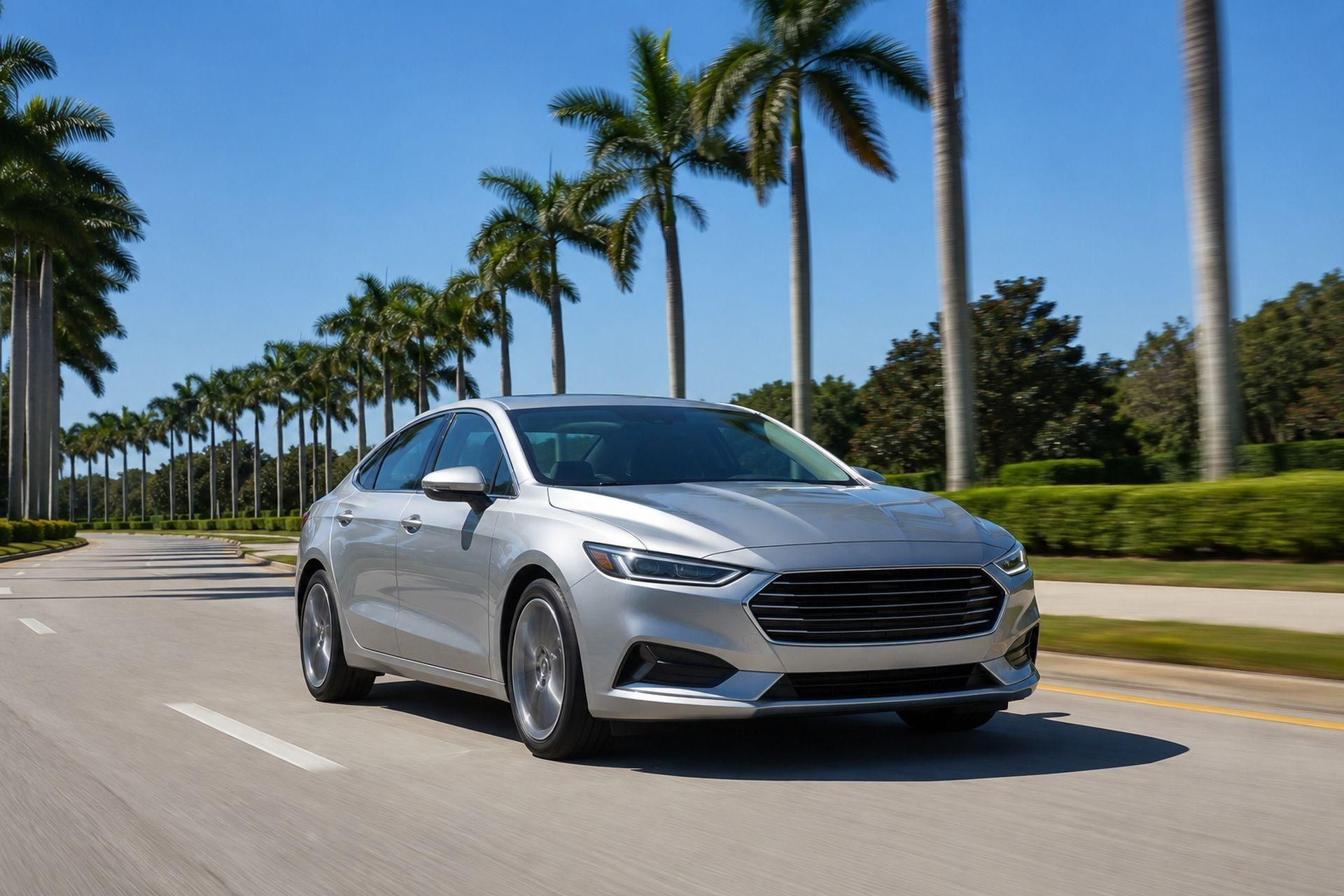
Car window tint for holiday travel
By Tints & Beyond Blogger • November 8, 2026
Get your vehicle ready for holiday travel with window tinting in Cape Coral and learn how it can improve comfort, privacy, and UV protection on the road.
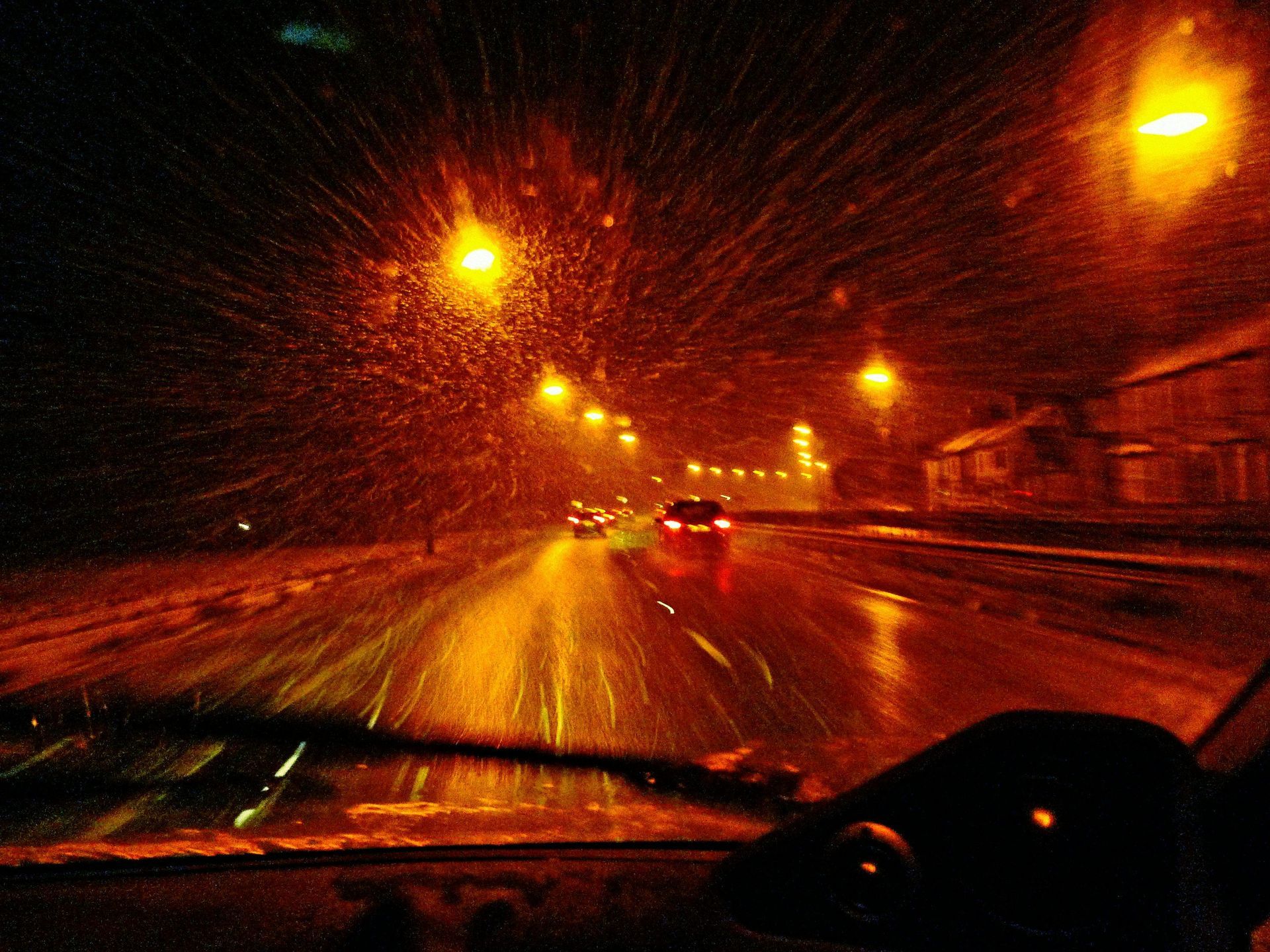
Car headlights on a dark road
By Tints & Beyond Blogger • November 1, 2026
Learn how car window tinting in Cape Coral can reduce glare, add privacy, and improve comfort for safer, more confident nighttime drives on local roads.
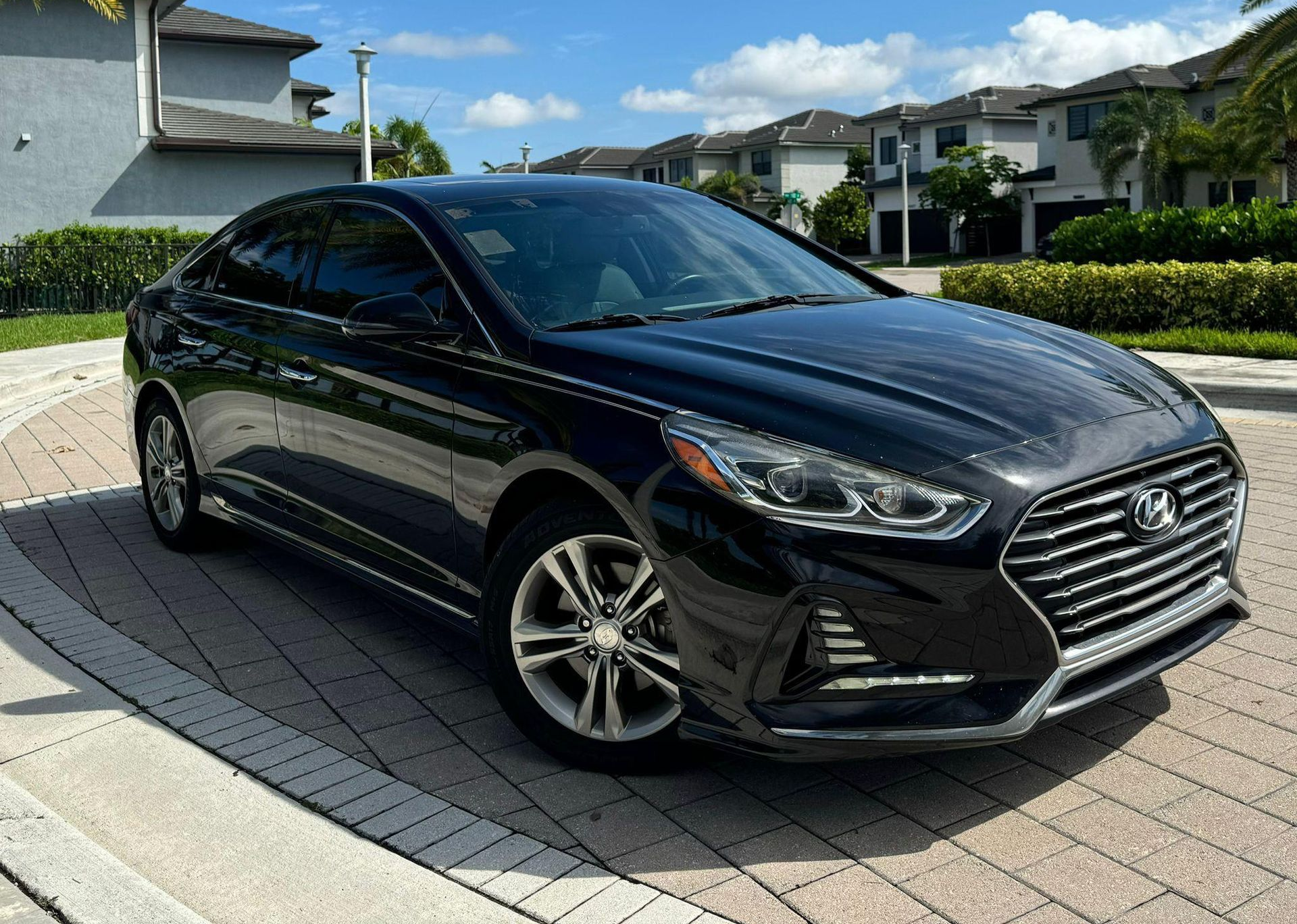
Auto window tint installation
By Tints & Beyond Blogger • October 25, 2026
Learn why scheduling window tint in Cape Coral before snowbird season can improve comfort, reduce glare, and protect your vehicle's interior from UV rays.

Work vehicle window tinting in Fort Myers
By Tints & Beyond Blogger • October 18, 2026
Learn how window tinting in Fort Myers can reduce glare and heat, improve driving comfort, and help keep your work vehicle cooler on the road.
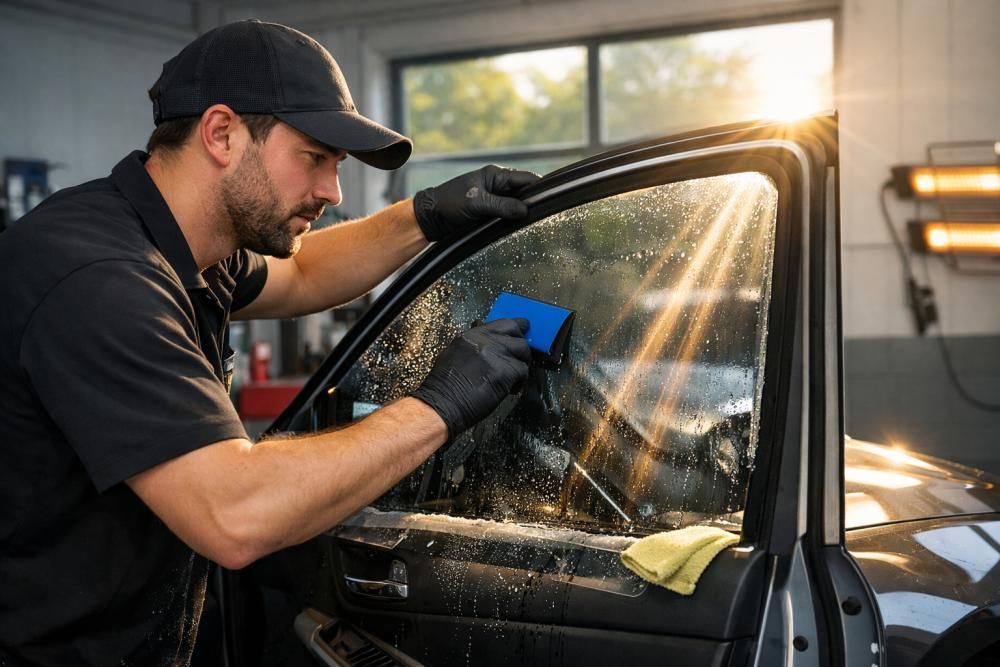
Window film reducing harsh sunlight
By Tints & Beyond Blogger • October 11, 2026
Discover how auto window tinting in Cape Coral can reduce fall-drive glare, improve comfort, and support clearer visibility during sunny commutes.
residential window film in Cape Coral
By Tints & Beyond Blogger • October 4, 2026
Discover how residential window film in Cape Coral reduces heat gain, boosts comfort, and protects interiors while helping lower energy bills year round.
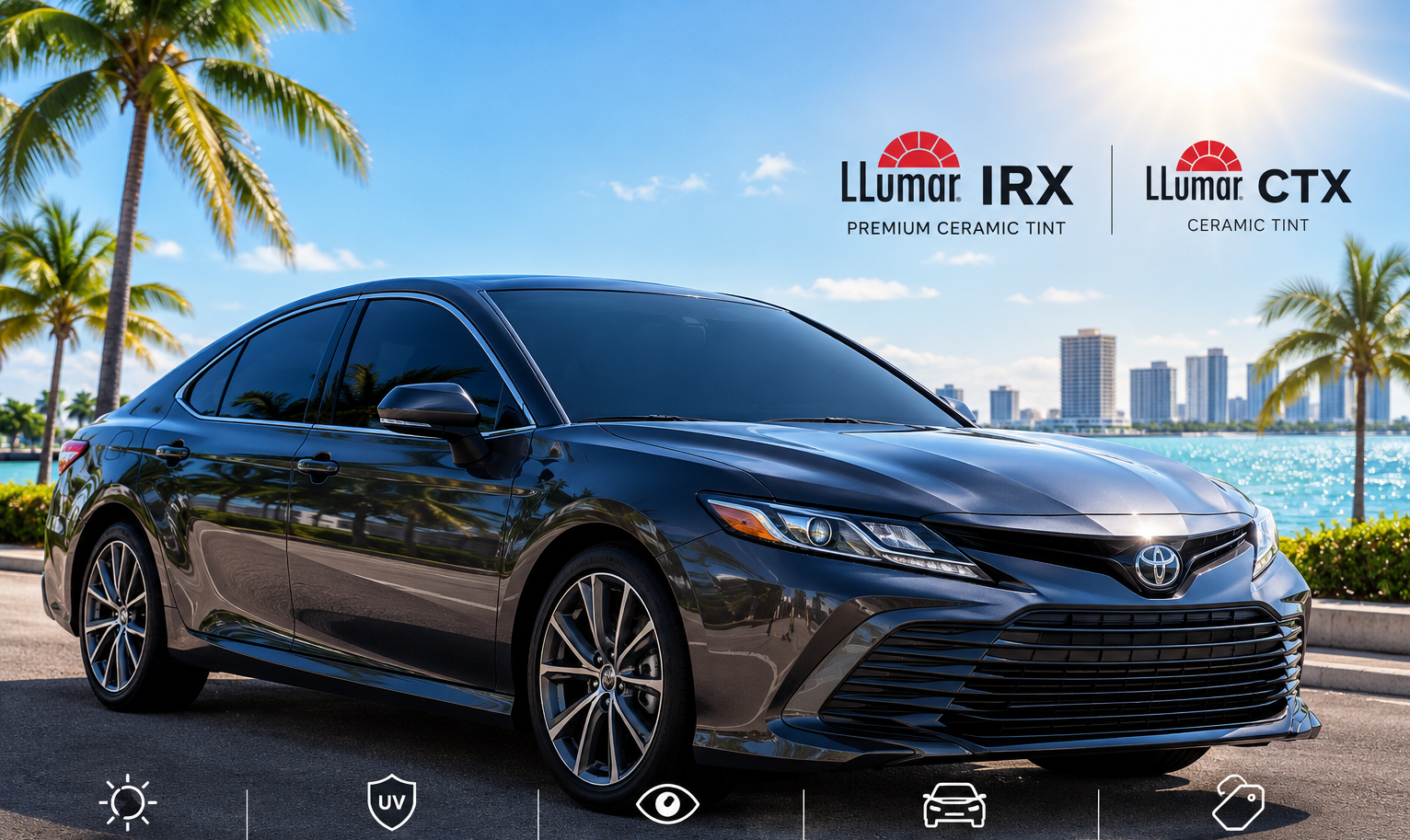
LLumar IRX vs CTX ceramic tint
By Tints & Beyond Blogger • September 27, 2026
Compare Llumar IRX and CTX for Florida drivers with a trim by trim calculator and Llumar ceramic tint price insights on heat, glare, and legality.
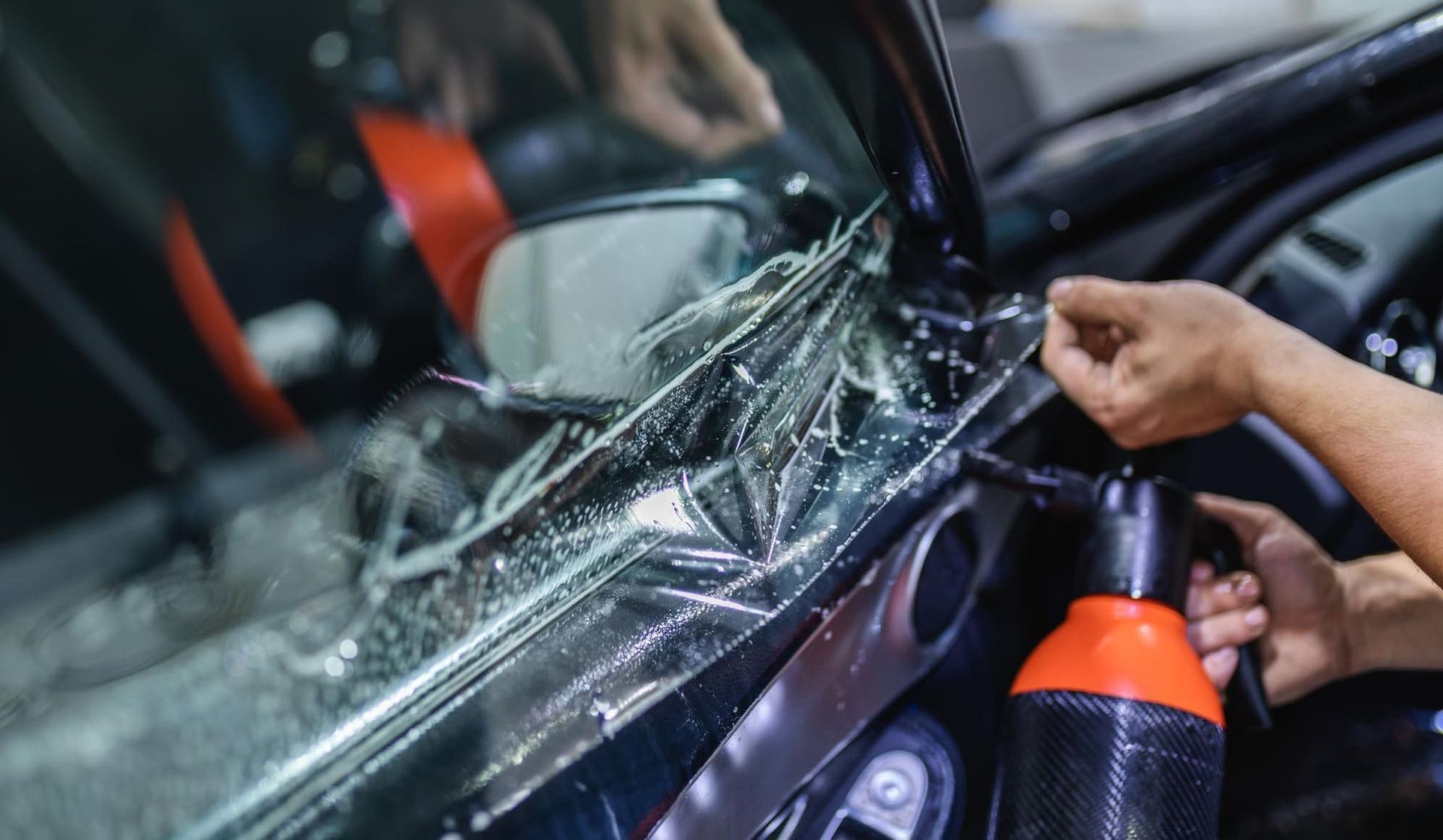
LLumar IRX tint installation Florida
By Tints & Beyond Blogger • September 20, 2026
Learn how LLumar IRX ceramic tint is installed in Florida humidity, from clean prep and edge sealing to cure times and final inspection checklist.
car window tint shop Cape Coral FL
By Tints & Beyond Blogger • September 13, 2026
New to Florida? Learn what to look for in a car window tint shop, from heat rejection and UV protection to legal limits and installer quality.

Show More

