Can Window Tint Interfere With ADAS Cameras or Sensors?
Advanced Driver Assistance Systems, often called ADAS, are now standard on many new vehicles. Features like lane keeping assist, forward collision warning, adaptive cruise control, and blind spot monitoring rely on cameras, radar, ultrasonic sensors, and software that constantly interpret what is happening around your car. That is great for safety, but it also creates a new concern for drivers shopping for window tint in Cape Coral, FL. People often ask, does window tint affect cameras or sensors, especially if they have heard stories about electronics interference, distorted views, or warning lights after modifications. The reality is that modern window tint technology has evolved to be highly compatible with today’s vehicles when you choose the right film and install it correctly. In particular, high optical clarity, non-metallic films are designed to protect comfort and reduce heat without disrupting advanced safety systems. This guide explains how ADAS works, what tint types can cause issues, and why professional installation and ADAS safe film selection are key for confident driving in Florida.
Table of Contents
- 1. How ADAS cameras and sensors work in modern vehicles
- 2. Myths about window tint ADAS interference
- 3. Metallic vs non-metallic window tint films
- 4. Ceramic and nano ceramic tint and optical clarity
- 5. Windshield tint and ADAS safe installation practices
- 6. OEM guidance, calibration, and best practices
- 7. Why pro installation matters for ADAS vehicles
- FAQ
- Conclusion and free estimate in Cape Coral
1. How ADAS cameras and sensors work in modern vehicles
ADAS is not one single sensor. It is a network of components that work together to detect lanes, vehicles, pedestrians, signs, and movement around your car. The system then uses software to decide whether to warn you, assist with steering or braking, or adjust speed. Understanding what each component uses helps clarify why most window tint does not interfere, and where the real risks can appear.
Forward-facing cameras and camera modules
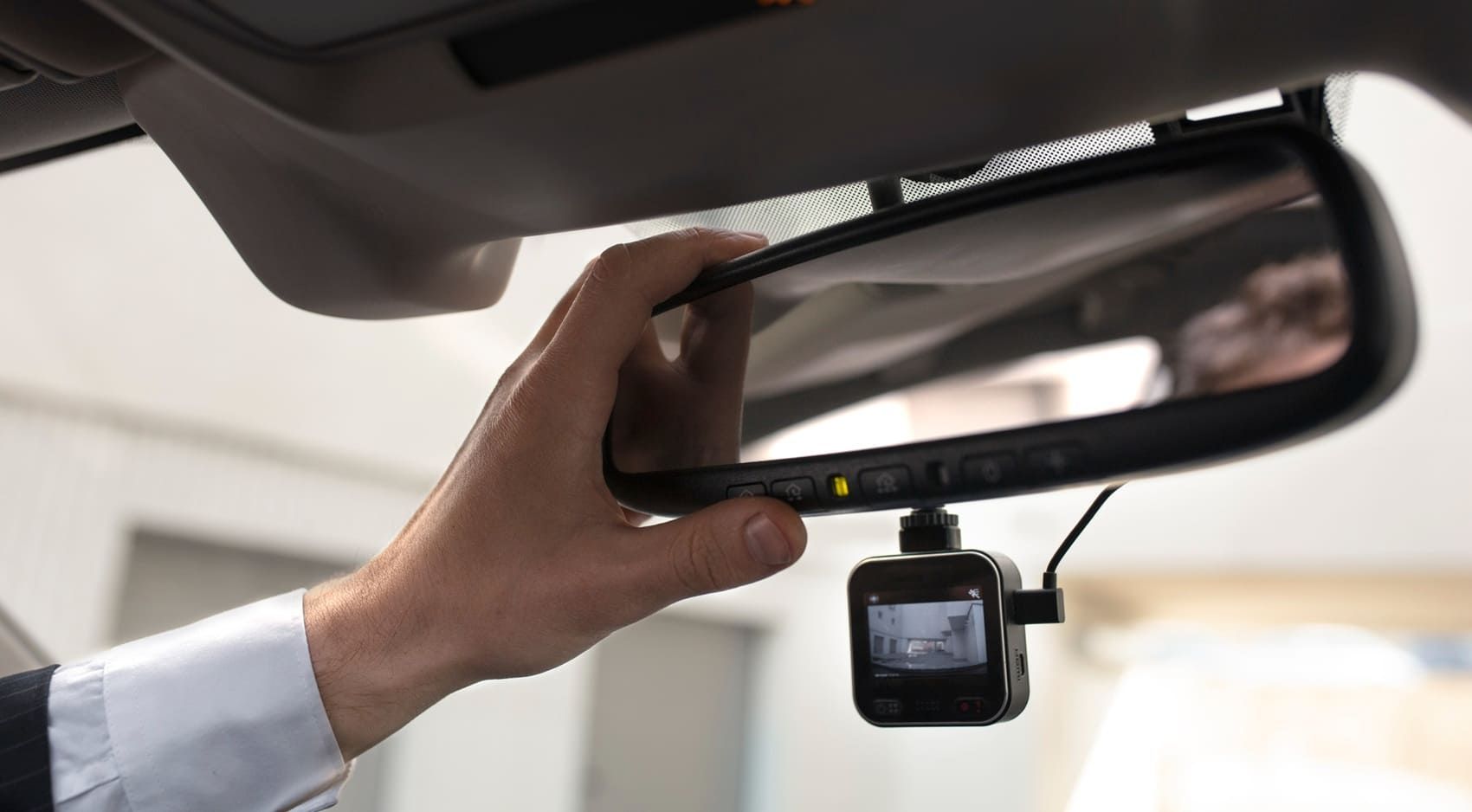
Lane keeping assist and forward collision warning often rely on a forward-facing camera mounted near the rearview mirror, looking through the windshield. Many vehicles also use that camera for traffic sign recognition and automatic high beams. These cameras depend on optical clarity, correct focus, and consistent light transmission. If anything changes that view, the system can become less confident or generate alerts.
Radar sensors
Adaptive cruise control and some collision warning systems often use radar mounted behind the grille or in a front emblem. Radar is not looking through your side windows. That is why most window tint cannot affect radar performance. Radar can be impacted by front-end repairs, bumper changes, or debris, but not by side-window film.
Parking sensors and some blind spot systems use ultrasonic sensors placed in bumpers. Again, tint on glass is not part of their signal path. These sensors can be affected by physical damage, sensor blockage, or misalignment.
Blind spot monitoring and rear cross-traffic alert
Blind spot monitoring often uses radar mounted in the rear quarters of the vehicle, not a camera looking through tinted side glass. Some newer vehicles add cameras, but the primary sensors are commonly behind body panels. Window tint rarely affects blind spot monitoring directly, but poor installation can create visibility concerns for drivers if film darkness is too aggressive for nighttime driving.
Why the windshield is different
Most conversations about window tint ADAS interference come back to the windshield because that is where forward cameras see. Side window tint is more about driver visibility and legal compliance. Windshield tint is where optical clarity, film type, and installation technique matter most for ADAS.
| ADAS feature | Typical sensor type | Where it “looks” | Tint relevance |
|---|---|---|---|
| Lane keeping assist | Forward camera | Through windshield | Higher relevance |
| Forward collision warning | Camera and radar | Windshield and front bumper | Medium relevance |
| Adaptive cruise control | Radar | Front grille area | Low relevance |
| Blind spot monitoring | Rear radar | Rear quarters | Low relevance |
| Parking assist | Ultrasonic | Bumpers | Low relevance |
2. Common myths and misconceptions about tint interfering
Because ADAS is complex, it is easy for rumors to spread. Many “tint broke my safety system” stories are actually related to other factors, such as windshield replacement, camera recalibration, or low-quality film installed on areas that should remain clear.
Myth: Any window tint will block sensors
Most sensors do not look through your windows at all. Radar and ultrasonic sensors are mounted behind body panels. Even camera modules are usually only relevant to the windshield area directly in their field of view. That is why most side-window tint does not cause system failures.
Myth: Tint always causes warning lights
Warning lights after tint are more commonly tied to a camera module being disturbed, a windshield area being contaminated with installation solution, or a vehicle that was already near a calibration threshold. If the windshield was recently replaced, calibration may already be needed, and tint can get blamed after the fact.
Myth: Darker tint means better heat rejection
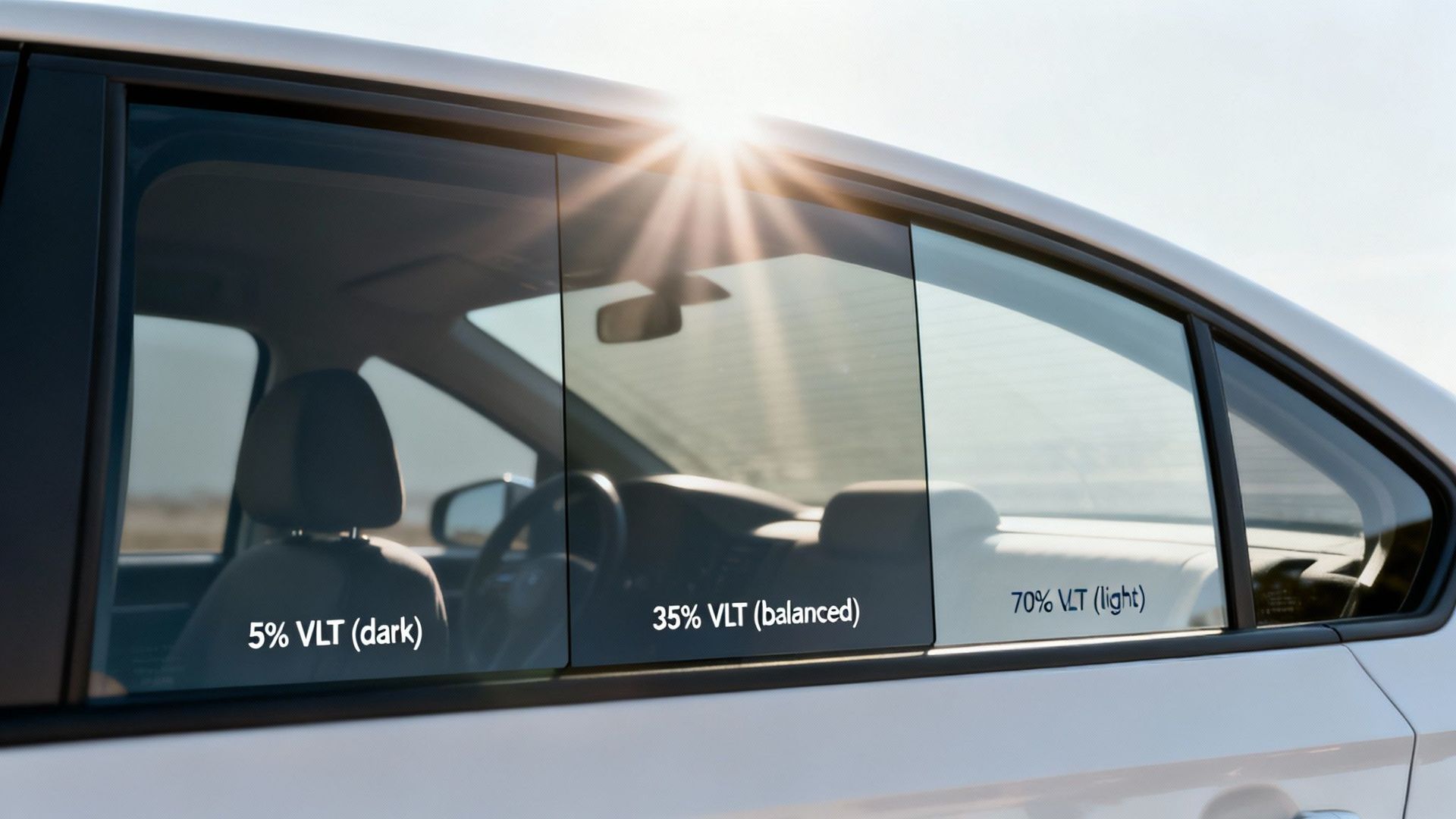
In Florida, heat control matters. Cape Coral drivers want cooler cabins, protected interiors, and less glare. Darker tint can help with visible light reduction, but modern ceramic and nano ceramic films deliver strong heat rejection without requiring extreme darkness. That is important for night visibility and for keeping camera views clear.
Myth: Metallic tint is the only premium option
Metallic films were once popular for heat rejection, but they can introduce reflectivity and radio signal concerns. Today, high-end non-metallic films deliver excellent performance while maintaining optical clarity and compatibility with modern electronics.
3. Metallic vs non-metallic window tint films
Film construction is one of the most important factors when discussing ADAS safe window tint and overall vehicle electronics. Some films contain metal particles that can reflect and absorb certain signals. Others use non-metallic technologies designed for clarity and compatibility.
Metallic films
Metallic films can provide strong heat rejection, but they can also increase reflectivity and may interfere with radio frequency signals. Drivers may notice reduced cell reception, GPS accuracy issues, or inconsistent key fob performance in some cases. Metallic film is also more likely to create visible reflectivity that can be undesirable on windshields.
Non-metallic films
Non-metallic films, including many ceramic and nano ceramic options, are designed to reject heat without metal layers. For most modern vehicles with integrated electronics, non-metallic film is a safer default choice. It supports optical clarity for cameras and reduces the chance of signal-related issues.
| Film type | Heat rejection potential | Optical clarity | Electronics risk | ADAS friendliness |
|---|---|---|---|---|
| Metallic | High | Medium | Higher | Use with caution |
| Dyed | Low to medium | High | Low | Generally friendly |
| Ceramic | High | High | Low | Strong choice |
| Nano ceramic | High | High | Low | Strong choice |
Tints & Beyond in Cape Coral, FL emphasizes premium tint solutions engineered for modern vehicles. We install LLumar auto window tint products known for high optical clarity and performance, which is especially important when drivers are asking about lane assist window tint and camera compatibility.
4. How ceramic and nano ceramic tint supports camera clarity
Drivers often worry that any film will “distort” the view of a camera, especially on the windshield. The key factor is optical clarity. High-quality ceramic and nano ceramic films are engineered to be visually clear, color-stable, and consistent across the glass, which helps camera systems maintain reliable image input.
Optical clarity and haze control
Camera modules are sensitive to haze, distortion, and light scatter. Premium films aim to minimize these issues by using stable materials, controlled manufacturing, and coatings designed for clarity. This matters for lane detection where software looks for contrast between lane markings and the road surface.
Infrared heat rejection without metal layers
Ceramic technologies can reduce infrared heat transfer without relying on metal layers. That supports cabin comfort in Florida without the higher electronics risk that can come with some metallic constructions.
Color neutrality and visibility
Another factor is how the film affects color. Some low-quality films can shift the color of the view, which may reduce camera confidence in certain lighting conditions. Premium ceramic films are typically designed to remain color-neutral, supporting both driver visibility and camera input.
5. Windshield tint considerations and ADAS safe installation practices
If your goal is maximum comfort in Cape Coral heat, you may consider a windshield film. This is where most ADAS questions belong. Windshield tint can be done safely when it is legal, appropriately selected, and installed with the camera system in mind.
Know what areas are camera-critical
Most forward camera modules sit behind the windshield near the rearview mirror. Some have a dedicated “frit” area or housing. A common best practice is to avoid covering camera windows or special sensor cutouts unless the film is specifically approved and installed in a way that preserves the camera view. A professional installer will map out the ADAS module area before installation.
Choose the right film for windshields
Windshield applications often use a very light film designed for heat rejection while preserving visibility. This supports safety, reduces glare, and maintains optical clarity for cameras. In Florida, legal compliance matters, so confirm what is allowed before applying any windshield film.
Installation cleanliness is a safety factor
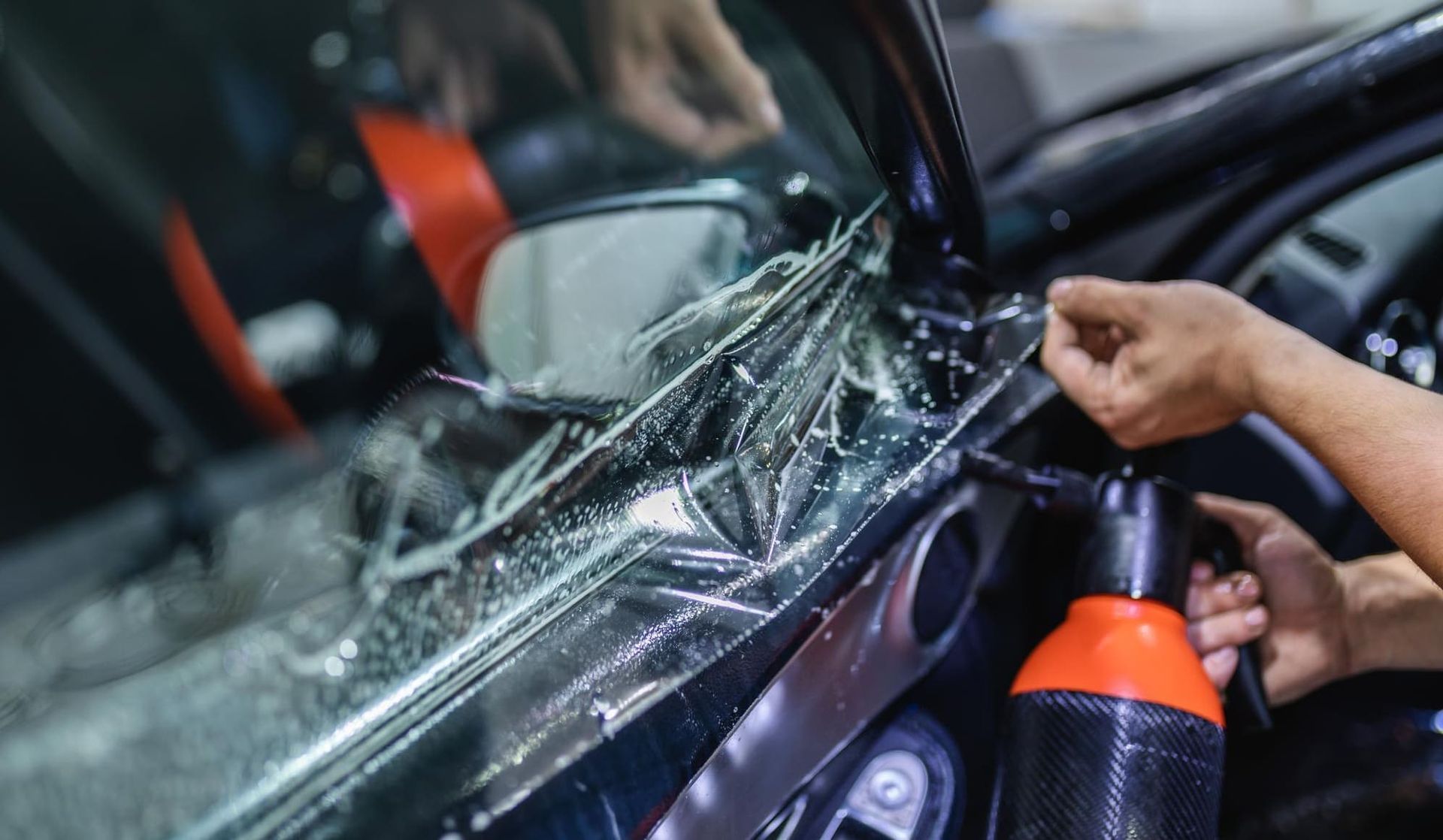
Even with the best film, poor installation can create issues. Dust, trapped moisture, fingers, or installation solution near the camera area can create temporary haze. That can lead drivers to assume tint caused a permanent problem. Professional installation focuses on clean prep, controlled slip solution use, and careful squeegee technique around camera zones.
| Windshield factor | What can go wrong | ADAS safe best practice |
|---|---|---|
| Camera module area | Distortion or blocked view | Respect camera window and housing |
| Film type | Haze or reflectivity | Use high-clarity, non-metallic film |
| Cleanliness | Dust or moisture near camera | Controlled install process and drying |
| Legality | Tickets or inspection problems | Confirm Florida requirements first |
6. Manufacturer recommendations, calibration, and best practices
ADAS systems depend on calibration. Calibration means the camera and sensors are aligned to the vehicle’s geometry so software can interpret distances correctly. Some events can trigger recalibration needs, including windshield replacement, front-end collision repair, suspension changes, or camera module movement.
Does tint require recalibration?
In most cases, tint alone does not require recalibration because it does not change camera alignment. However, if the vehicle already needs calibration, or if the camera module was disturbed, you may see warnings after any work near the windshield. This is why it is important to work with a shop that understands ADAS and uses best practices around camera modules.
Follow OEM guidance and film guidance
Vehicle manufacturers may publish guidance about windshield modifications, and film manufacturers publish application guidance for different glass types. Premium products like LLumar auto window tint are engineered with optical clarity in mind, but correct application still matters. If you have a newer vehicle with a complex camera module, discuss it before tinting.
Account for Florida driving conditions
Cape Coral drivers face intense sun, high cabin heat, and glare off water and light-colored roads. The right film strategy can reduce eye strain and cabin temperature while keeping safety systems working as designed. For many drivers, non-metallic ceramic film on side glass plus a light, high-clarity windshield film is the comfort and safety sweet spot.
7. Why professional installation is critical for ADAS-equipped vehicles
ADAS vehicles raise the stakes. A small mistake in film selection or installation near a camera module can create headaches that are expensive to diagnose. Professional installation protects both performance and peace of mind.
Professional shops reduce the real risks
- Correct film selection for electronics and optical clarity.
- Clean, controlled installation to avoid debris and moisture artifacts.
- Awareness of camera and sensor zones and proper cut patterns.
- Guidance on Florida legality and visibility needs.
Why Tints & Beyond is a safer choice in Cape Coral
Tints & Beyond serves Cape Coral, FL and surrounding areas with a focus on modern vehicle compatibility. We install LLumar Auto Window Tinting products engineered for high optical clarity and designed to work with advanced safety technology. If you are concerned about lane assist window tint , camera modules, or sensor-driven systems, our process prioritizes film selection and installation methods that help ADAS continue functioning as designed.
FAQ: Window tint and ADAS cameras or sensors
Can window tint interfere with ADAS cameras or sensors?
Most of the time, no. Most ADAS sensors do not look through side windows. Windshield camera areas are the main consideration, and high-clarity non-metallic films installed properly are typically compatible.
Does windshield tint affect lane keeping assist?
Lane keeping assist relies on a forward camera looking through the windshield. A light, high-clarity film that avoids camera-critical zones is generally the safest approach. Always discuss your vehicle’s camera module location before tinting.
Does window tint affect blind spot monitoring?
Blind spot monitoring usually uses radar in the rear quarters. Side window tint typically does not affect it. Visibility for the driver is a separate concern, so choose a shade you can see through comfortably at night.
Does tint require ADAS recalibration?
Usually not. Recalibration is more commonly needed after windshield replacement or repairs that change sensor alignment. If your vehicle is already near a calibration threshold, any work near the windshield can surface the issue.
Can metallic tint interfere with electronics?
Some metallic films can affect radio frequency signals. That is why many drivers prefer non-metallic ceramic options, especially on newer vehicles with heavy electronics and connected systems.
Is ceramic tint better for ADAS-equipped vehicles?
Ceramic and nano ceramic films are popular for their heat rejection, optical clarity, and non-metallic construction. Those traits make them a strong choice when drivers are worried about window tint ADAS interference.
Will tint void my vehicle warranty?
Warranty questions can depend on the specific issue and manufacturer policies. Choosing a reputable shop and a premium film system helps reduce the chance of disputes tied to installation quality.
Is windshield tint legal in Florida?
Florida window tint laws vary by glass location and vehicle type. Confirm current requirements before applying any windshield film, and work with a shop that can guide you on compliant options.
How do I ensure my cameras keep working after tint?
Use an ADAS safe window tint strategy: choose high-clarity non-metallic film, avoid camera windows, keep the install clean, and allow proper drying time before judging camera performance.
Do you install LLumar auto window tint in Cape Coral?
Yes. Tints & Beyond installs LLumar Auto Window Tinting products engineered for high optical clarity and compatibility with advanced safety technology.
Conclusion and CTA: Get an ADAS-safe tint in Cape Coral
So, can window tint interfere with ADAS cameras or sensors ? With modern film technology, the answer is typically no when you choose a non-metallic, high-clarity film and have it professionally installed with camera zones in mind. Most sensors are not looking through your tinted glass, and premium ceramic and nano ceramic options are built to maintain optical clarity while delivering the comfort benefits Florida drivers want.
If you are in Cape Coral, FL or nearby and you want an ADAS safe window tint solution, contact Tints & Beyond . We install LLumar Auto Window Tint products engineered for high optical clarity and compatibility with advanced safety technology. Reach out today to get expert guidance and a free estimate for window tint options that reduce heat and glare while helping your safety systems continue functioning as designed.